If you are thinking about living in St. Johns, daily life often comes down to three practical questions: How long will your commute take, how easy are errands, and what kind of home can you find? Those details shape your routine more than a postcard view ever could. The good news is that St. Johns offers a suburban lifestyle with growing amenities, expanding housing options, and strong access to the wider Jacksonville area. Let’s take a closer look at what everyday life here really feels like.
St. Johns at a Glance
St. Johns sits within one of Florida’s fast-growing suburban counties. The U.S. Census Bureau estimated St. Johns County’s population at 346,328 in 2025, with 147,532 housing units and a median household income of $116,421.
Those numbers help explain the area’s overall feel. This is a homeowner-heavy market with continued residential growth, not a dense urban setting. In 2023 alone, the county reported 3,982 new single-family residential permits, which points to steady expansion and ongoing neighborhood development.
Commutes in St. Johns
For most residents, commuting in St. Johns is a car-first experience. County data shows a mean travel time to work of 26.9 minutes, and 70.3% of workers drive alone. Public transportation use is very limited at 0.1%, which reinforces how much daily mobility depends on your vehicle.
That pattern matters if you are planning your move around work. A county transit plan found that 37,178 residents both lived and worked in St. Johns County, while 40% of workers living in the county commuted to Duval County. In simple terms, many people stay local for work, but Jacksonville remains the major employment destination for a large share of residents.
What the Jacksonville commute means
If you work in Jacksonville, St. Johns can still make sense if you want more of a suburban home base. Your daily routine will likely involve regular highway driving, especially if your job is north of the county line. That makes road access and neighborhood location especially important when choosing where to live.
The county continues to invest in transportation capacity to support that demand. Improvements on County Road 210 between I-95 and U.S. 1 have been completed, and a planned upgrade to County Road 2209 from SR 9B to CR 210 is intended to create another north-south route parallel to I-95.
What local commuting feels like
If your work, school, or day-to-day obligations are inside St. Johns County, your routine may feel more manageable. Many residents build their schedule around local schools, nearby shopping, recreation, and community services rather than daily trips into a city center.
That is part of the appeal. St. Johns offers a suburban rhythm where you can often keep weekday needs fairly close to home, even if you still rely on driving to get there.
Amenities for Everyday Errands
One of the biggest questions for buyers is whether St. Johns feels convenient day to day. In many parts of the area, the answer is yes. You do not need to drive into Jacksonville for every grocery run, quick meal, or service appointment.
The area’s retail pattern works on two levels. Many daily errands can be handled nearby, while larger shopping trips often still point north toward Jacksonville.
Local hubs close to home
Nocatee Town Center functions as a neighborhood hub with shops, restaurants, and services. It is designed to be reached by walking, biking, driving, or electric vehicle, which gives some households more flexibility for short local trips.
The Pavilion at Durbin Park is another important option in northern St. Johns County. It is anchored by a Walmart Supercenter and includes restaurants and service-oriented tenants, making it a practical stop for routine weekly errands.
Regional shopping nearby
For broader retail choices, many residents head to St. Johns Town Center in Jacksonville. With more than 175 stores and a large dining mix, it serves as a regional destination rather than a quick pop-in center.
That creates a familiar suburban pattern. You can usually handle the basics near home, then plan occasional larger shopping trips when you want more variety.
Parks and Recreation in St. Johns
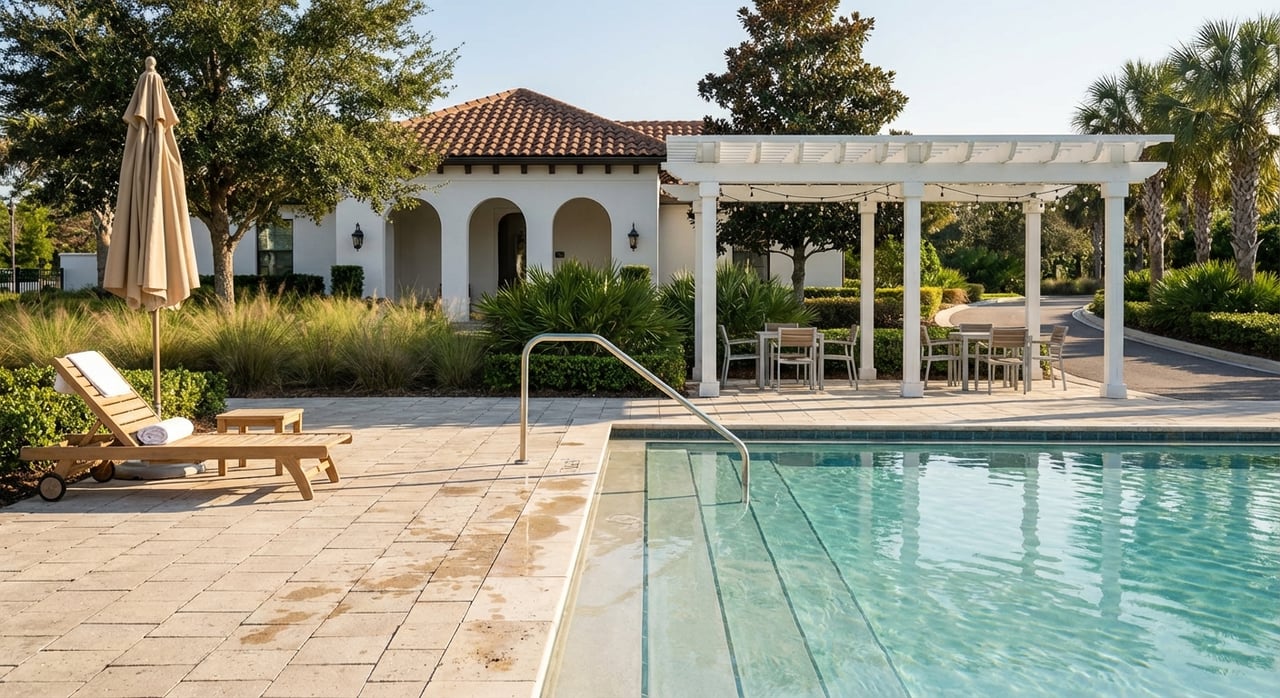
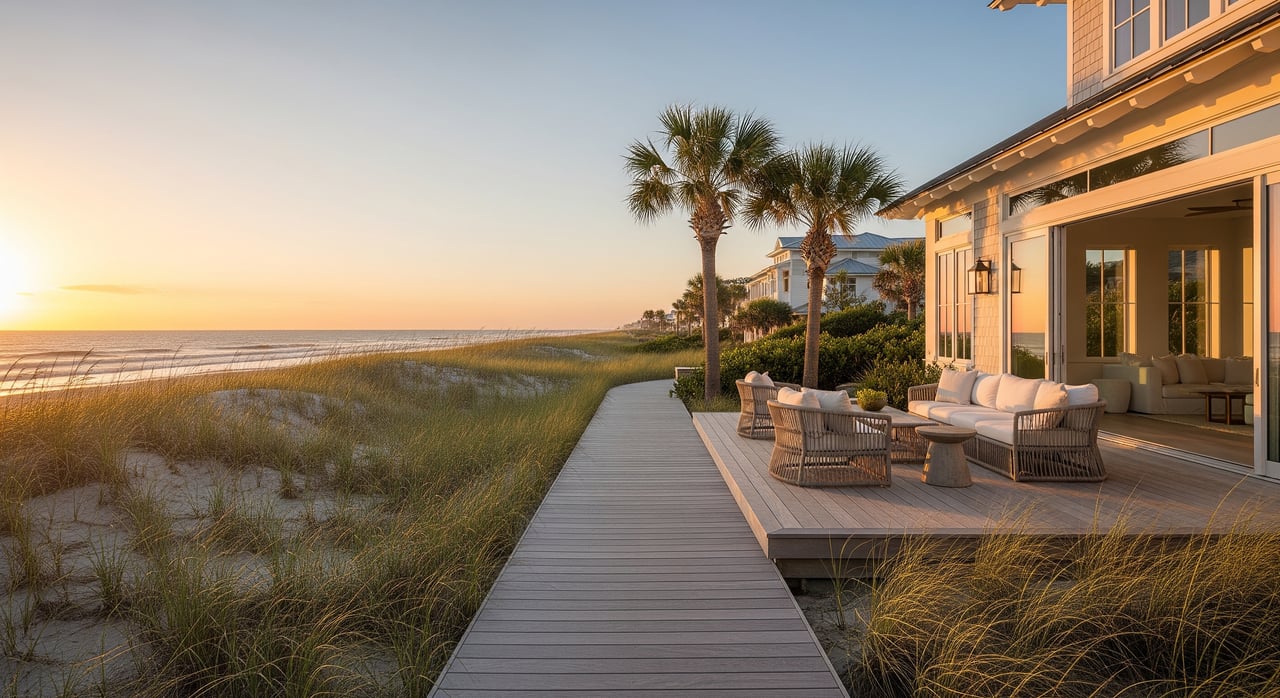
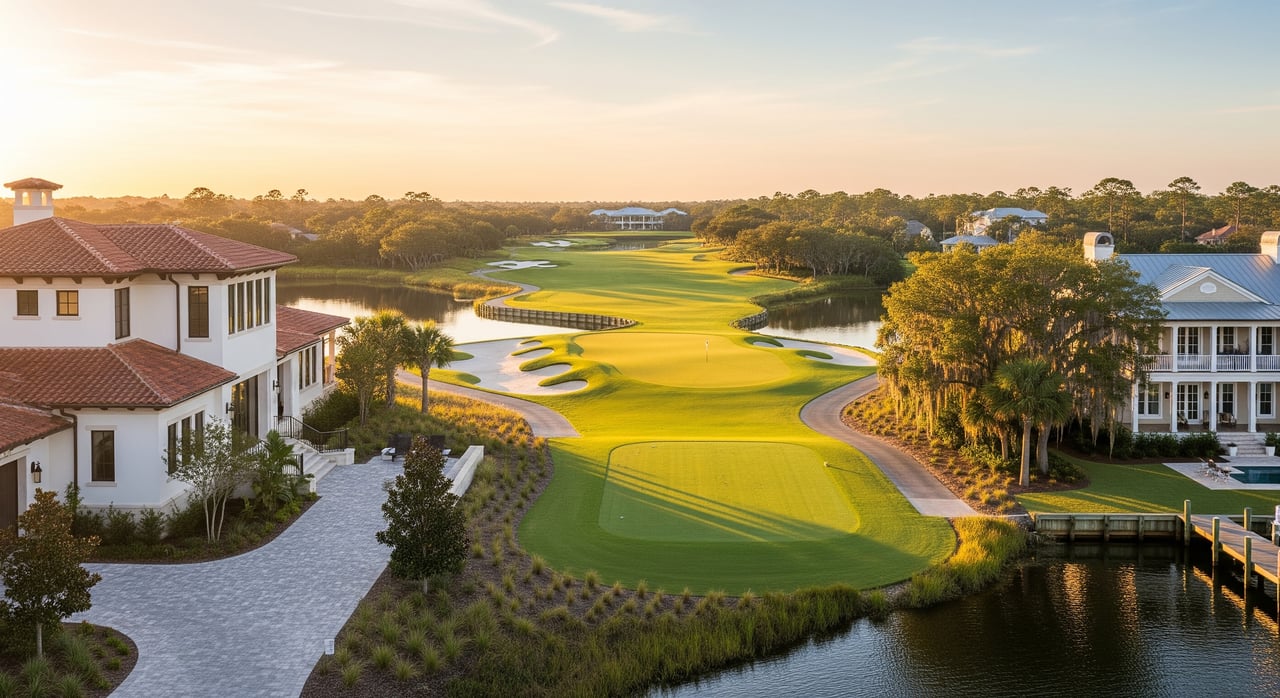
Outdoor space is a meaningful part of life in St. Johns. The county parks system is built to support active lifestyles while also preserving natural beauty. If you enjoy getting outside, you will find options for both organized recreation and quieter nature-based outings.
At the same time, recreation here is often still drive-oriented. A 2024 county health assessment found that only 22.97% of residents lived within a half-mile of a park in 2022, so many people plan outdoor time as a short drive rather than a walk from home.
Nature and conservation space
Nocatee Preserve gives residents access to a large conservation setting with more than 3 miles of unpaved trails. People use the area for walking, jogging, mountain biking, birdwatching, photography, and horseback riding.
That kind of space adds a different layer to suburban living. It gives you a way to balance newer residential development with access to open land and outdoor recreation.
Active parks and sports facilities
Veterans Park in St. Johns offers a different recreation experience. Amenities include lighted multi-purpose fields, basketball and pickleball courts, a skate park, a playground, and a dog park.
For many households, this is what daily recreation really looks like. It is less about walking to a pocket park and more about hopping in the car for sports practice, weekend playtime, or an evening activity.
Housing in St. Johns
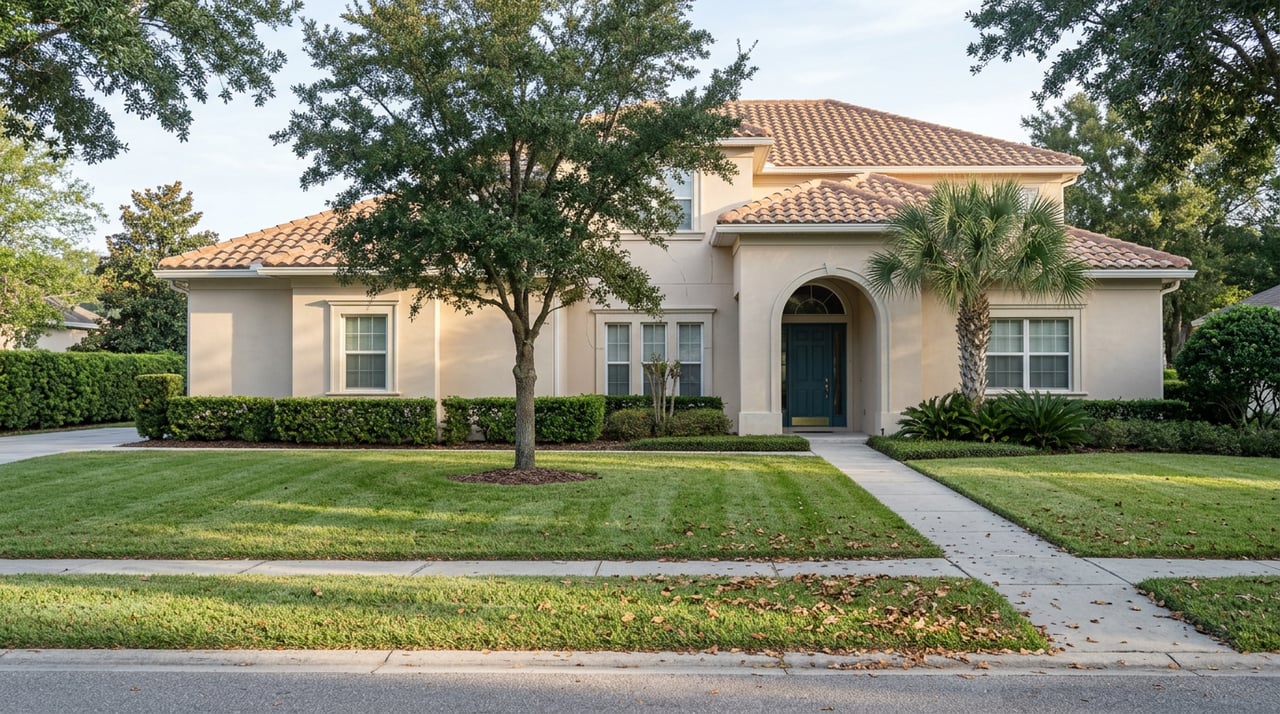
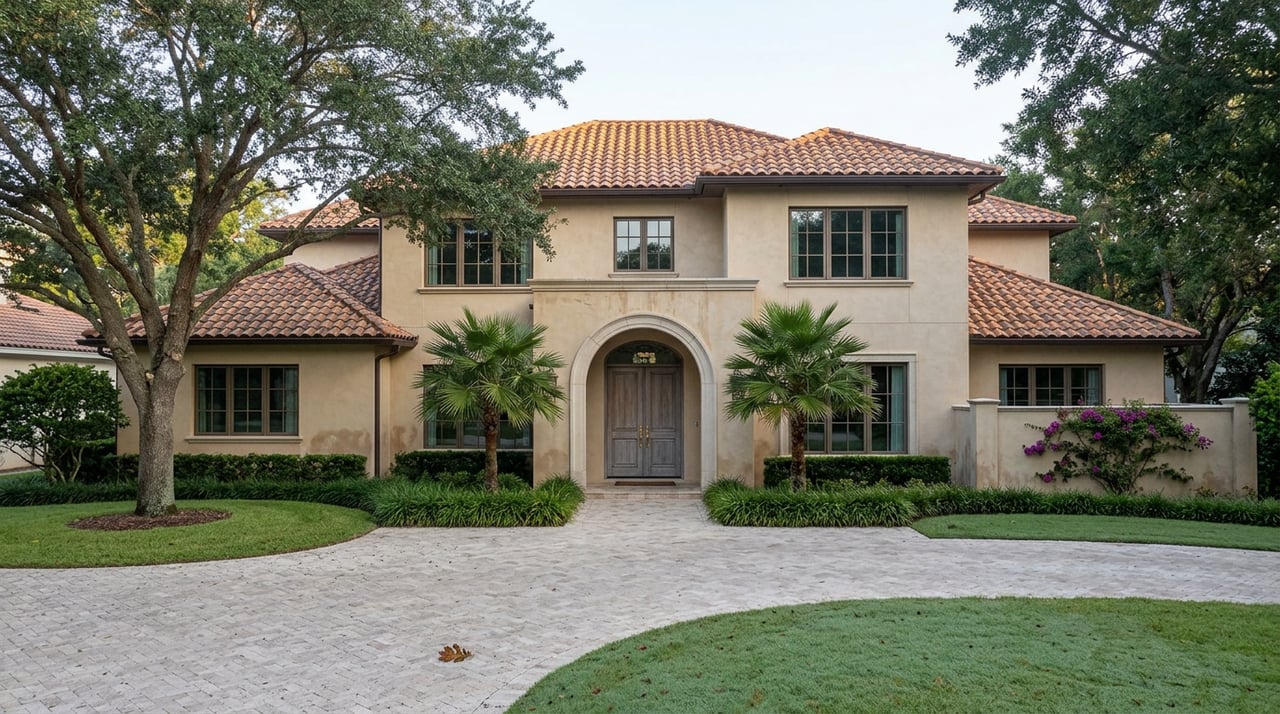
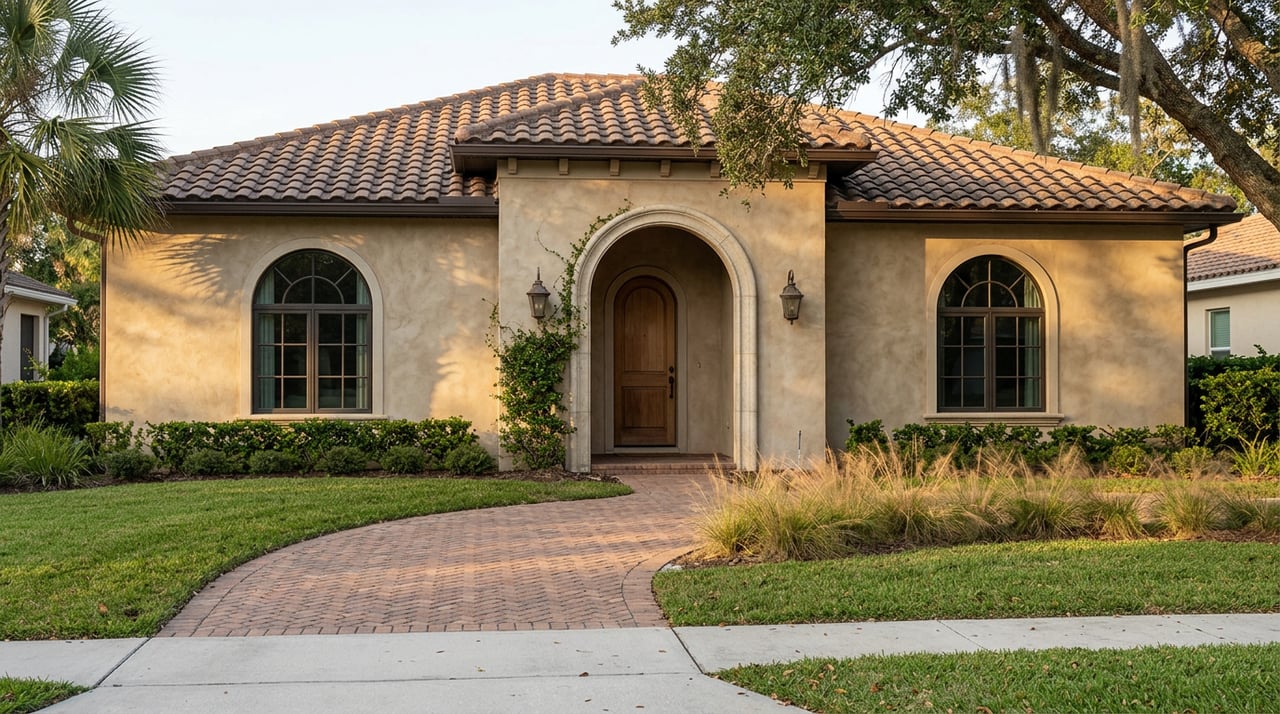
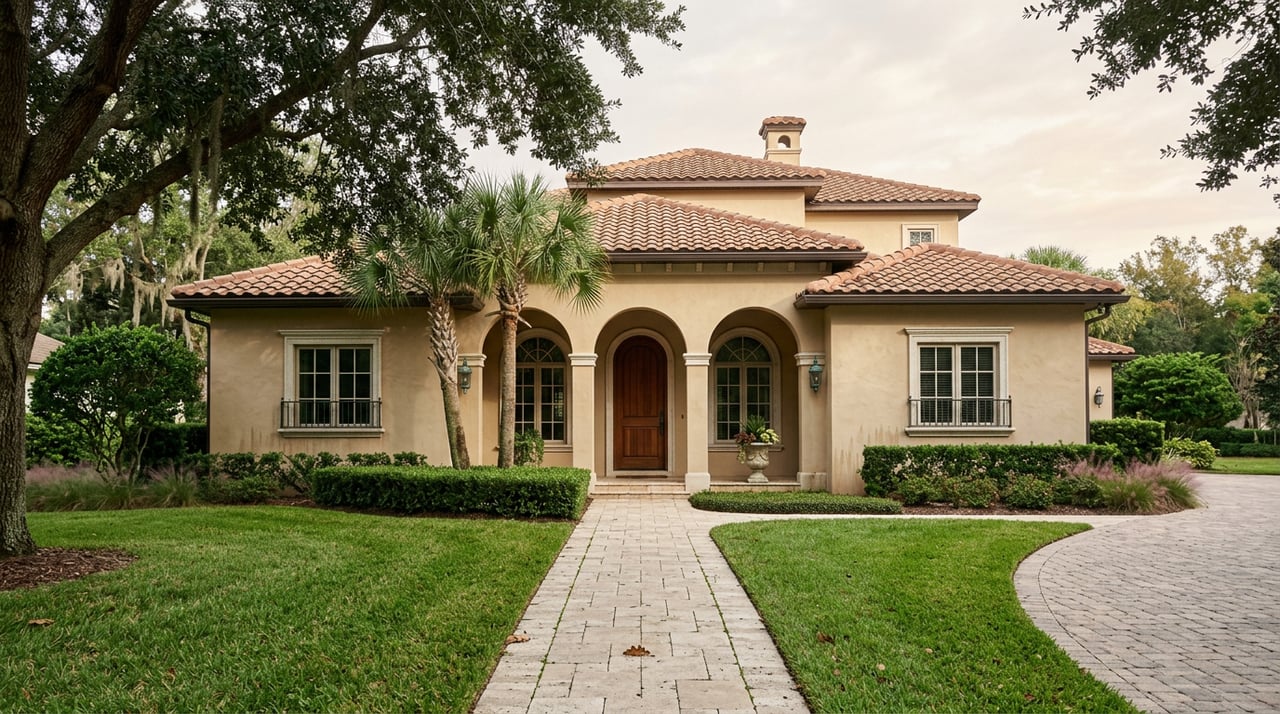
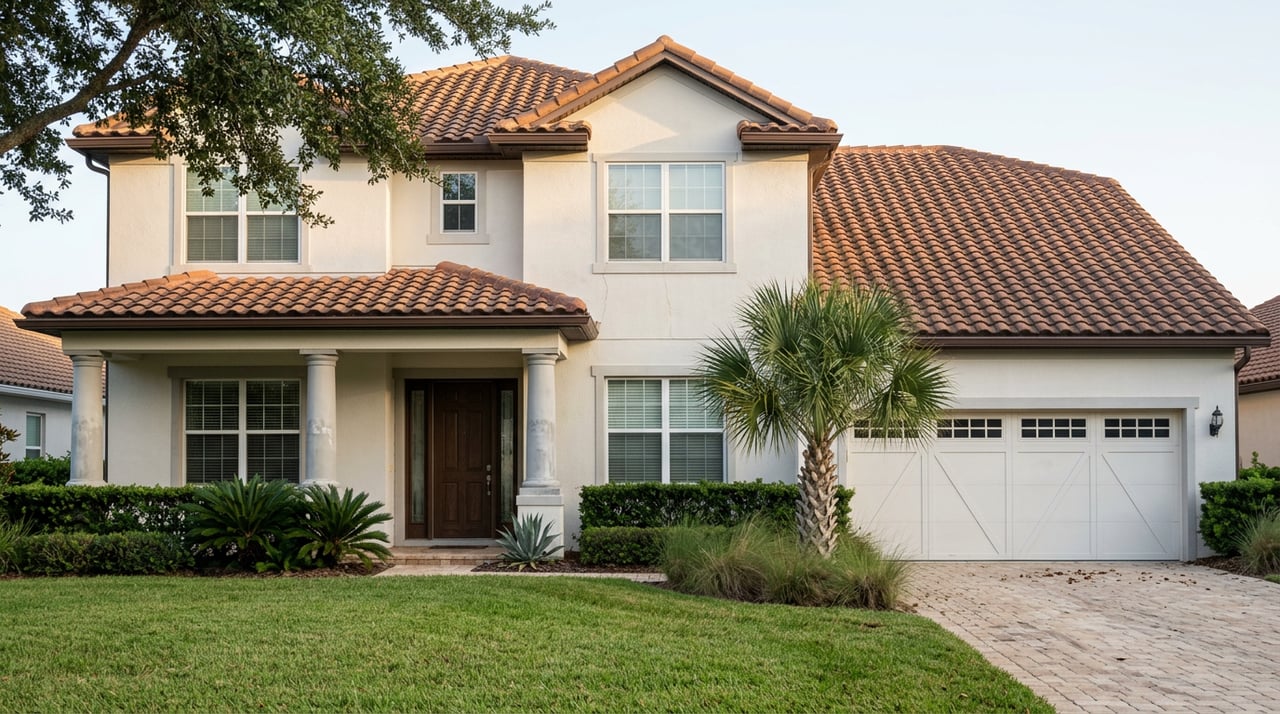
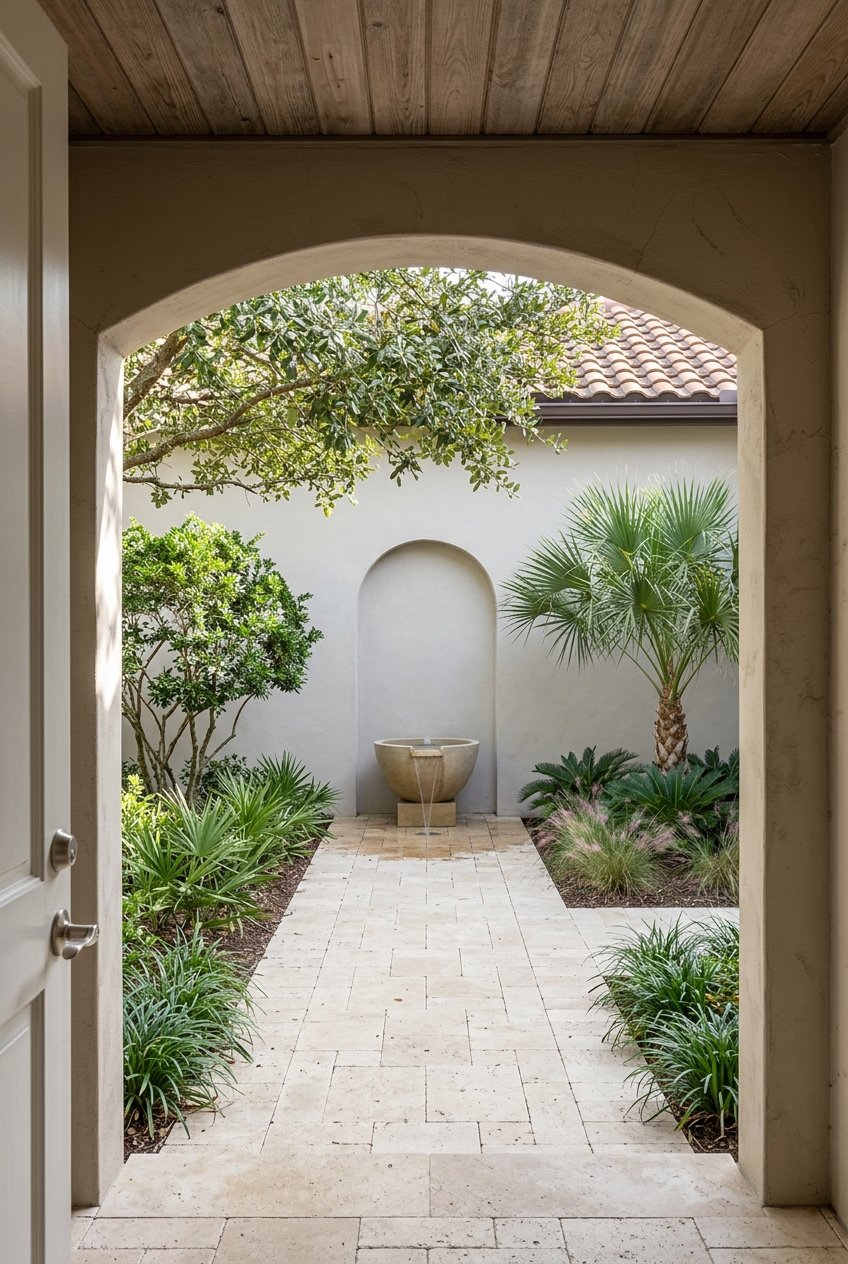
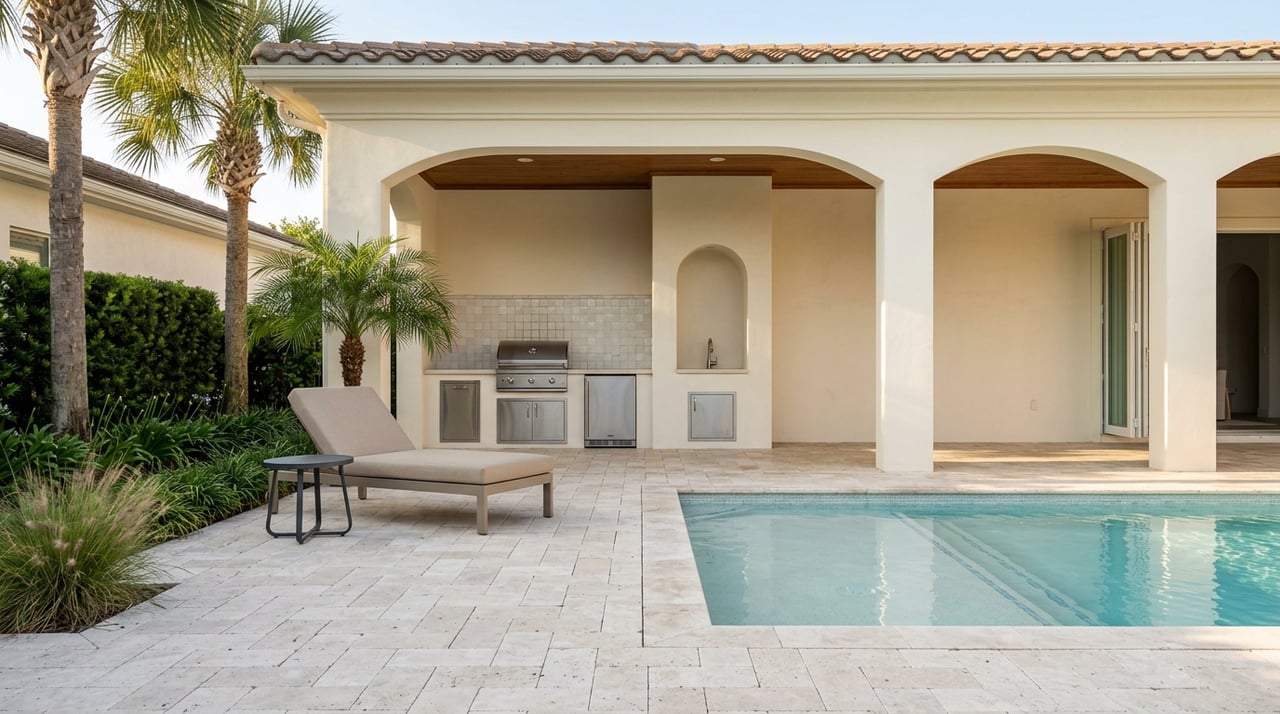
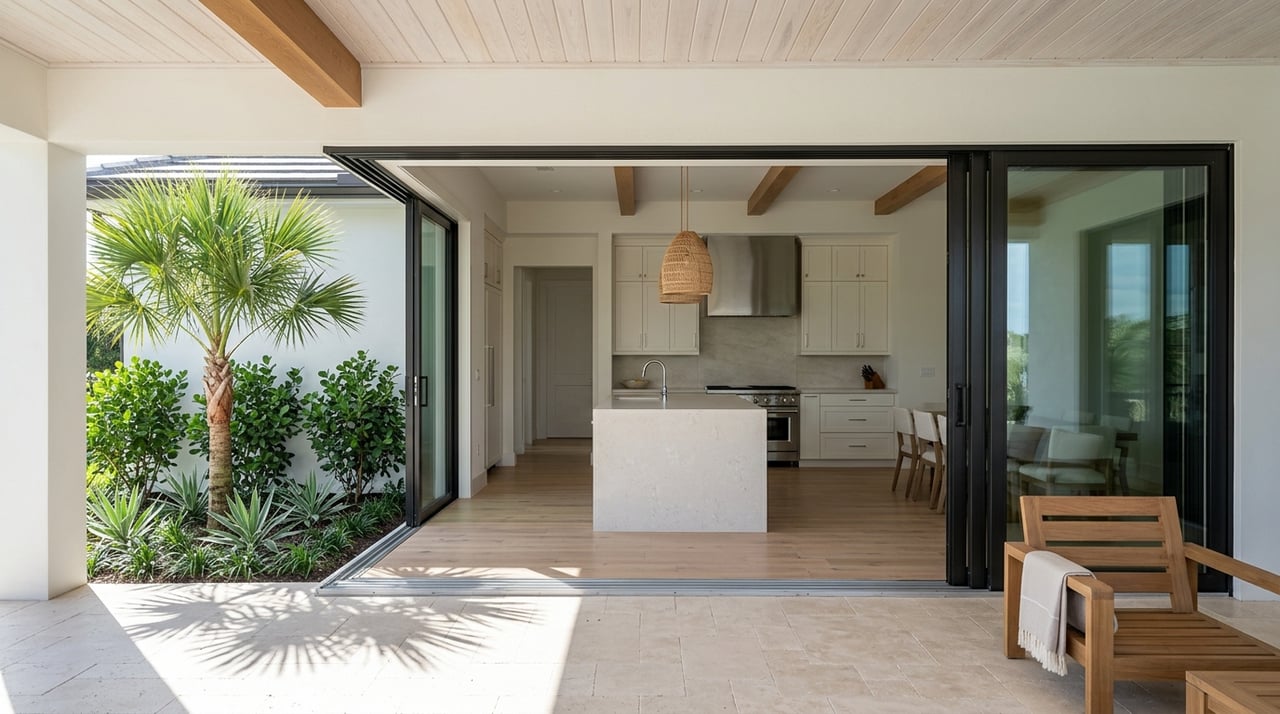
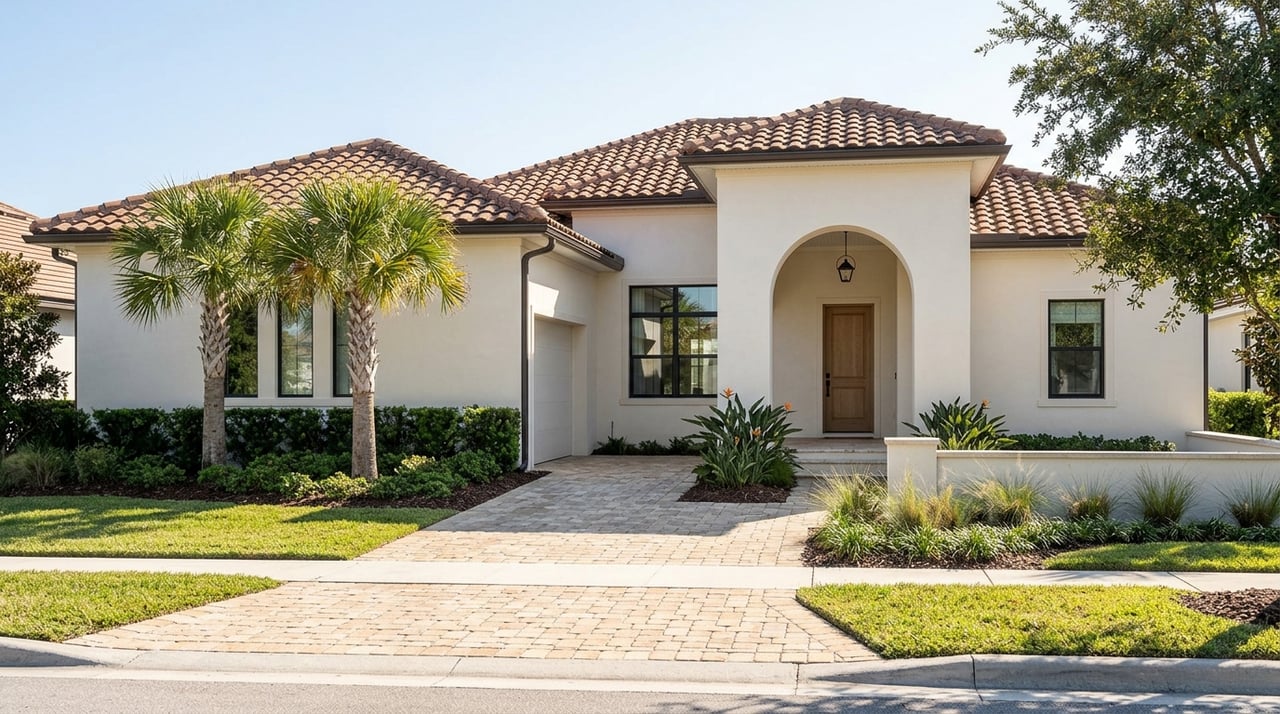
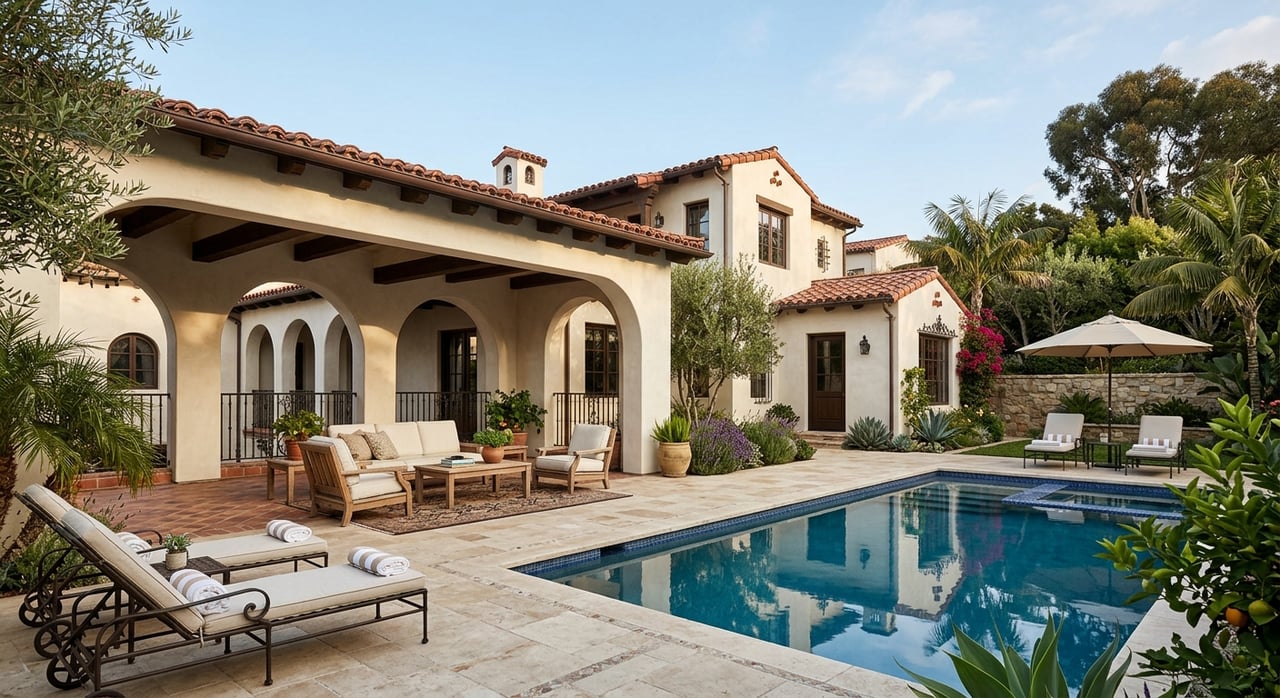
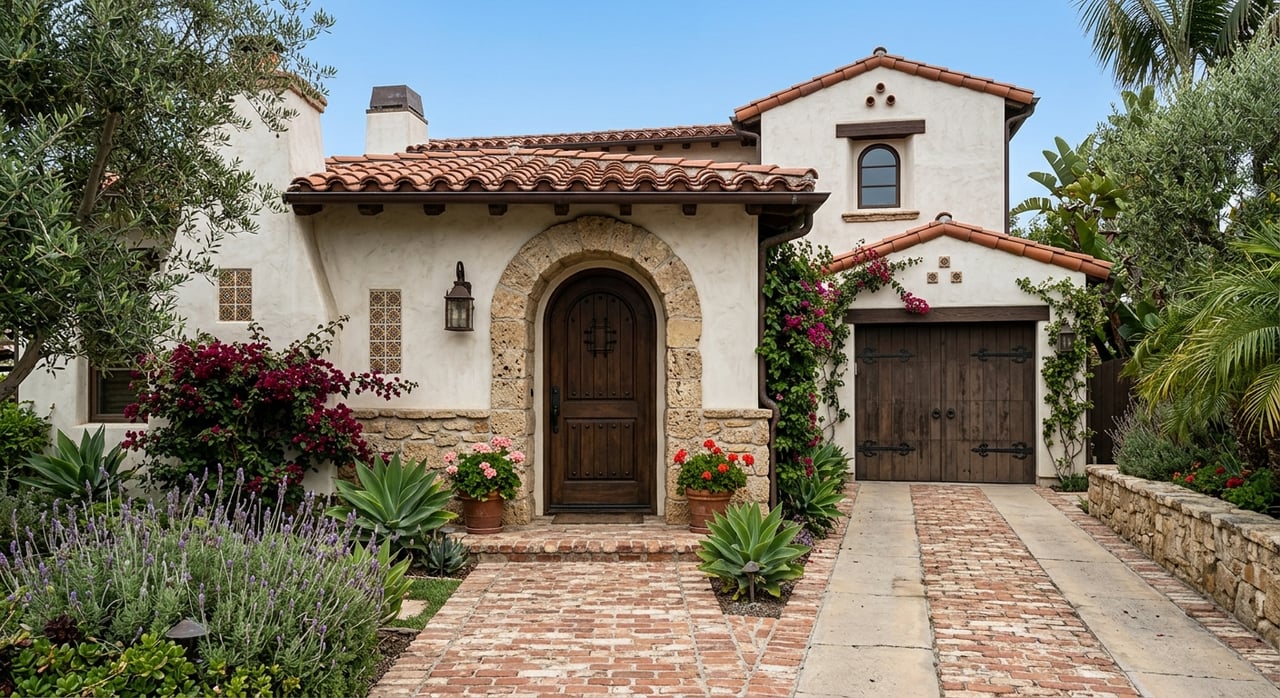
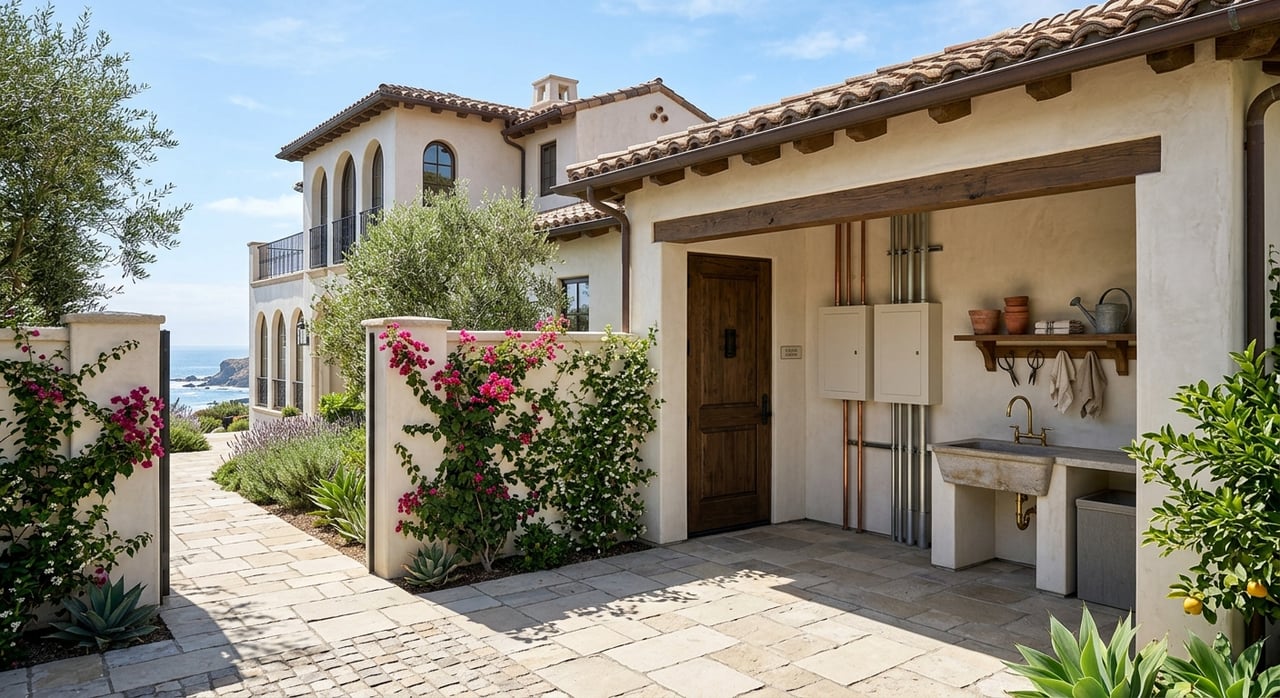
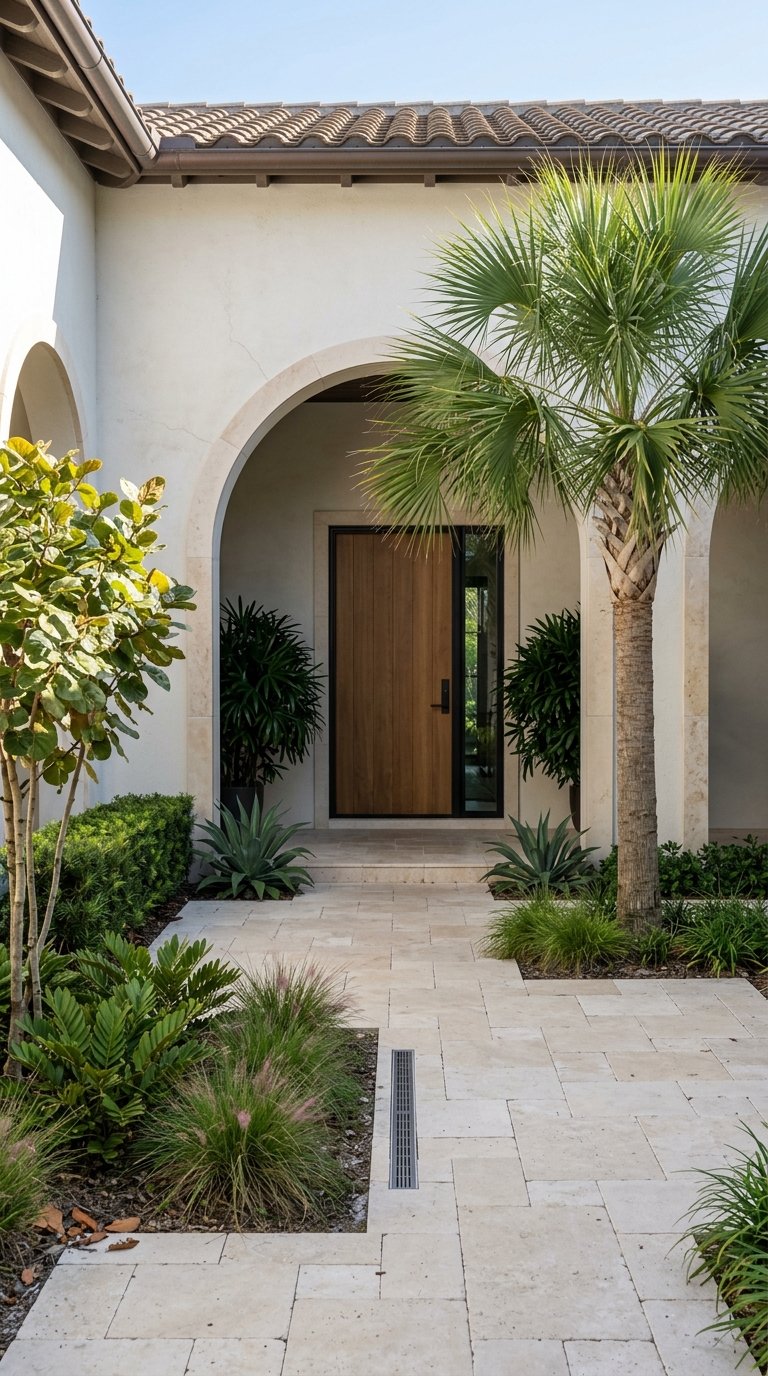
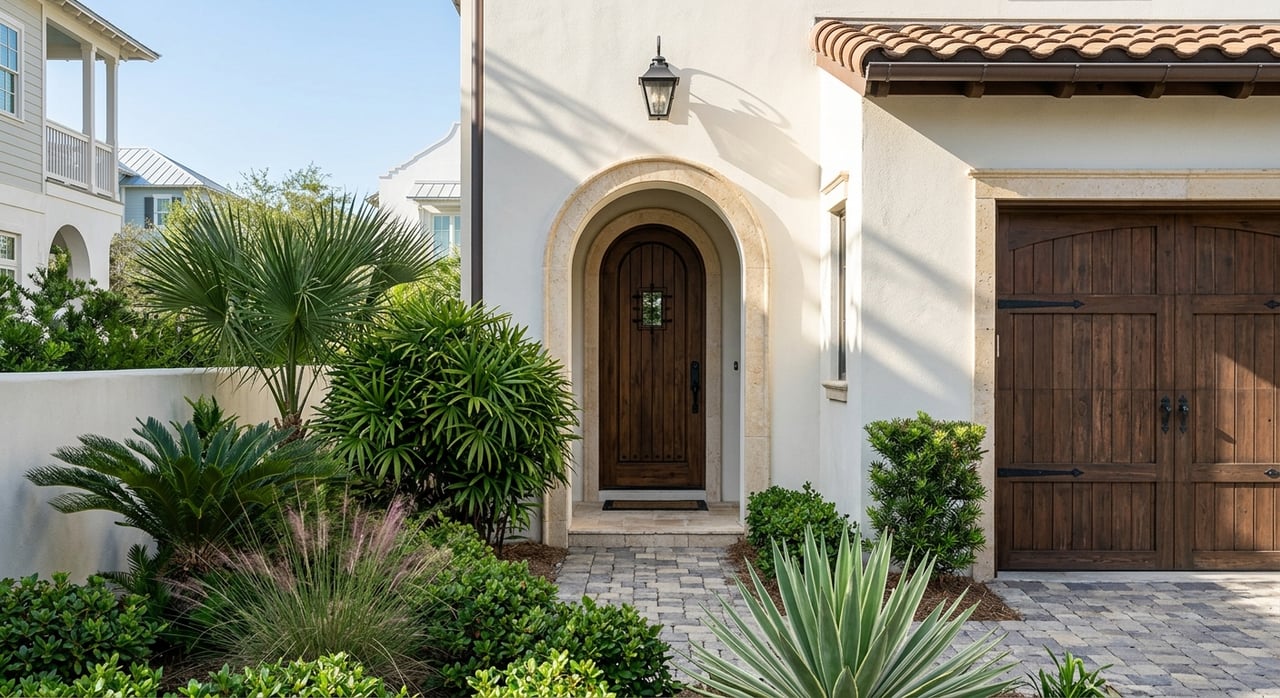
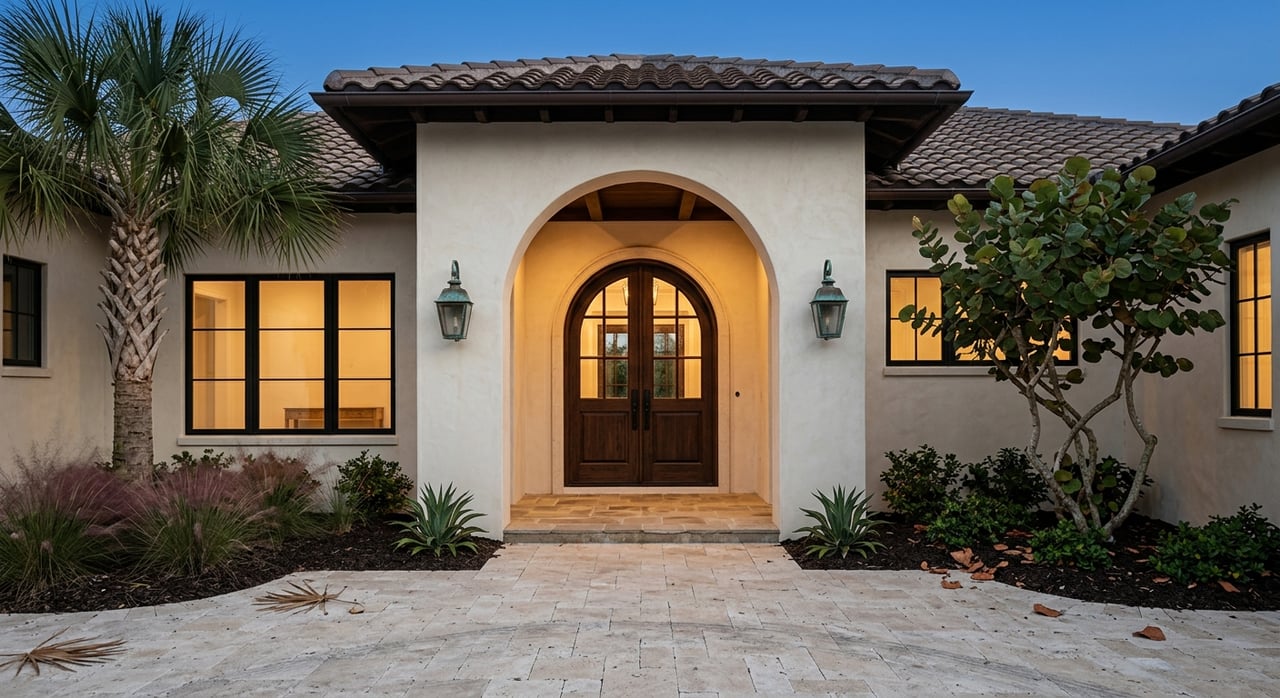
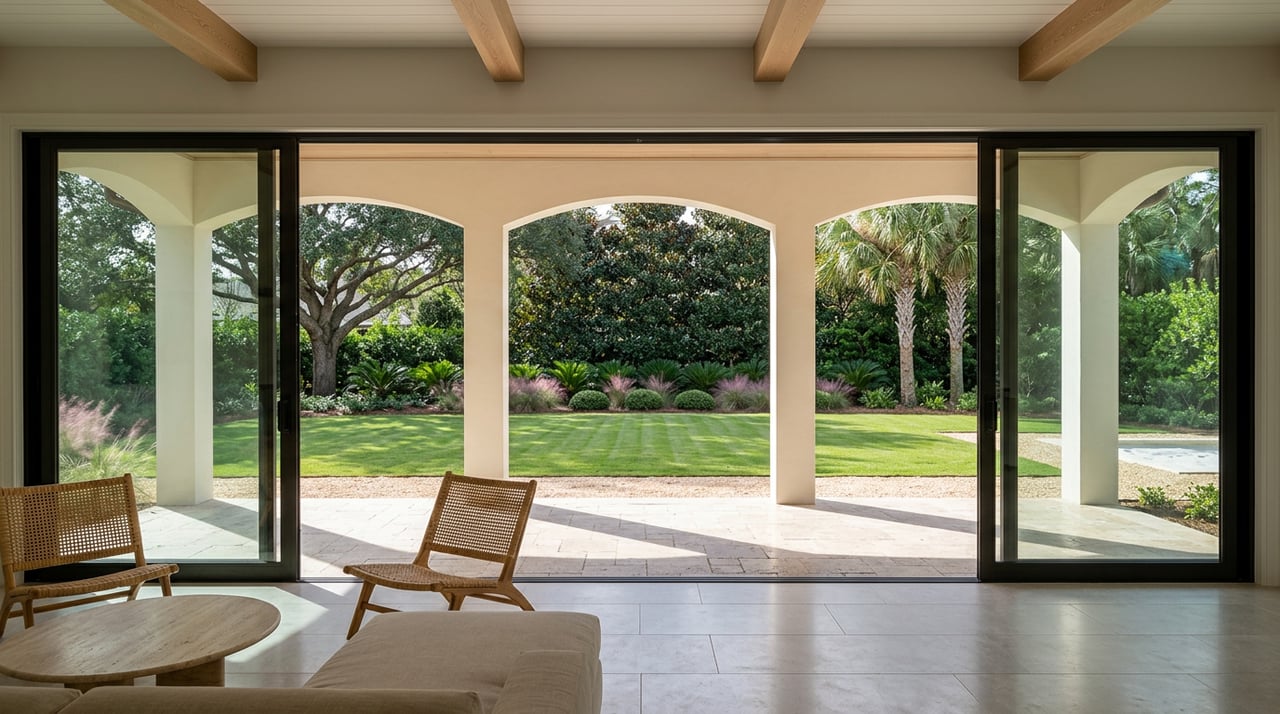
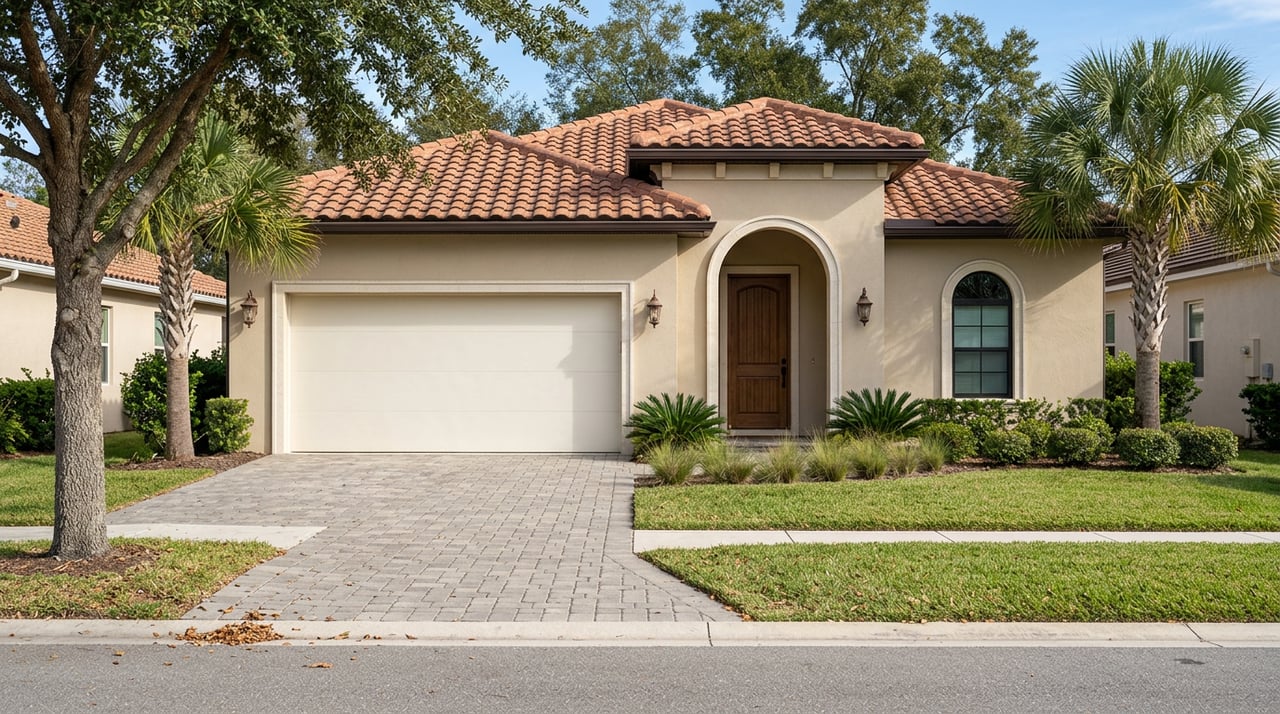
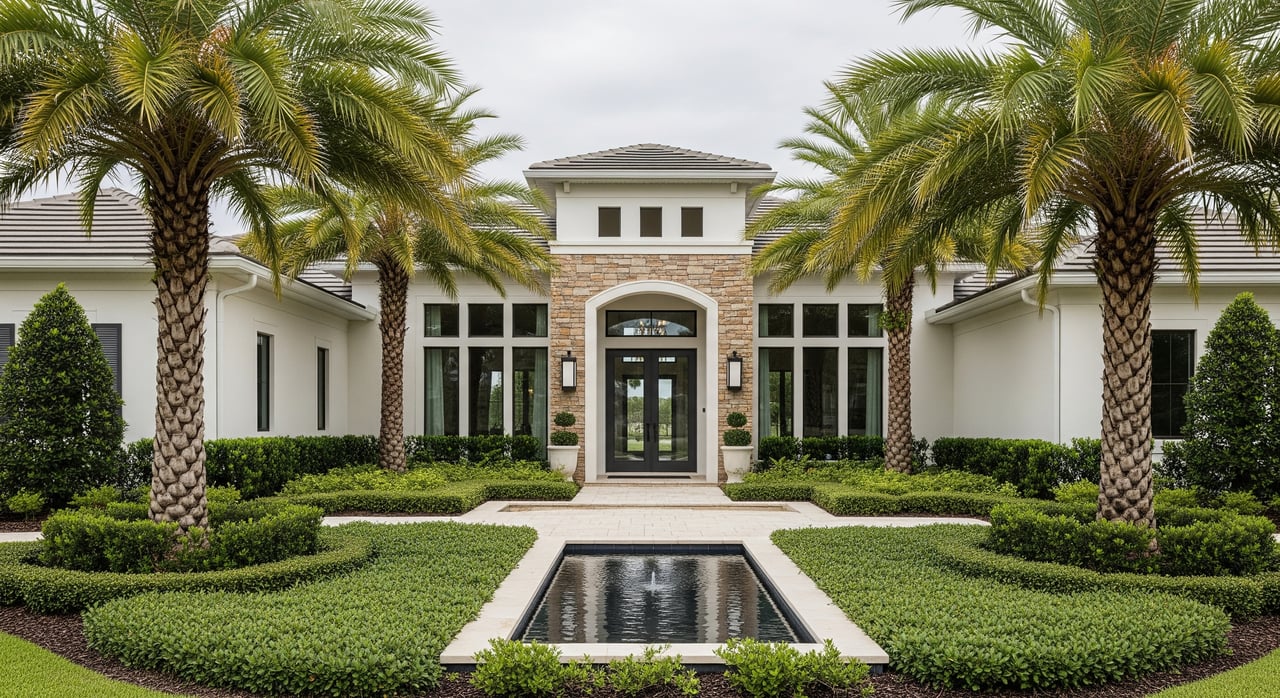
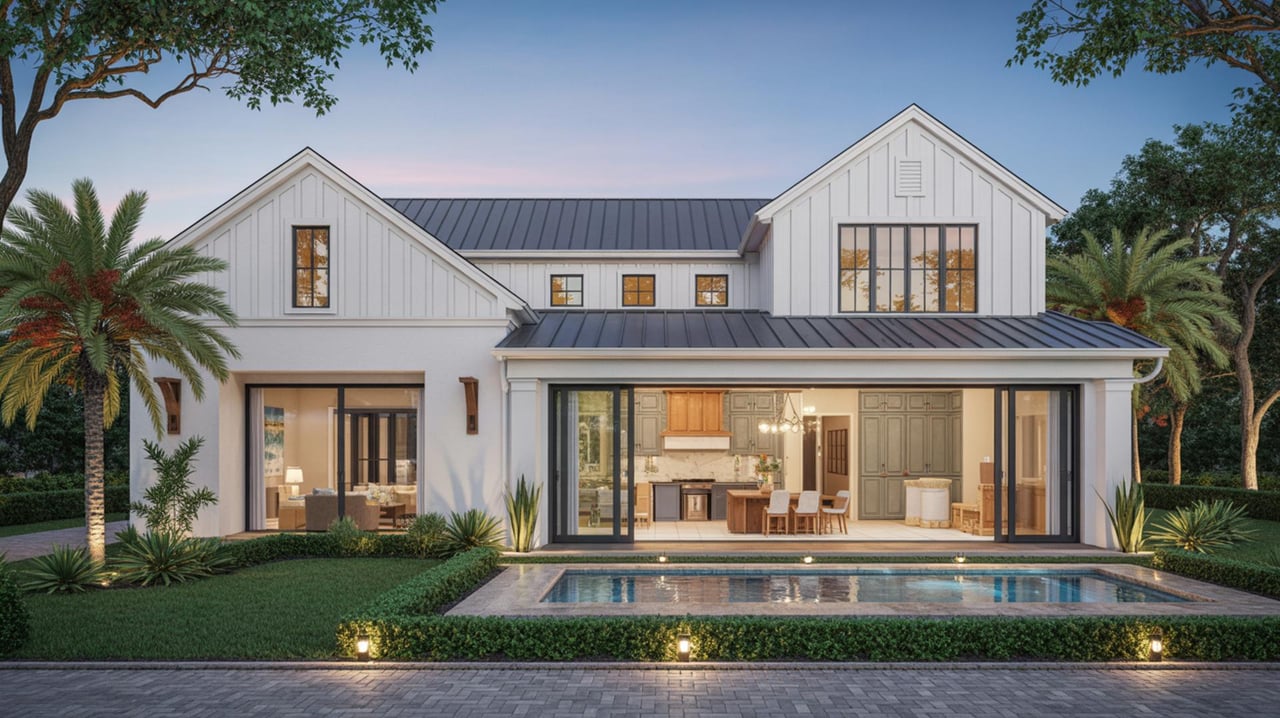
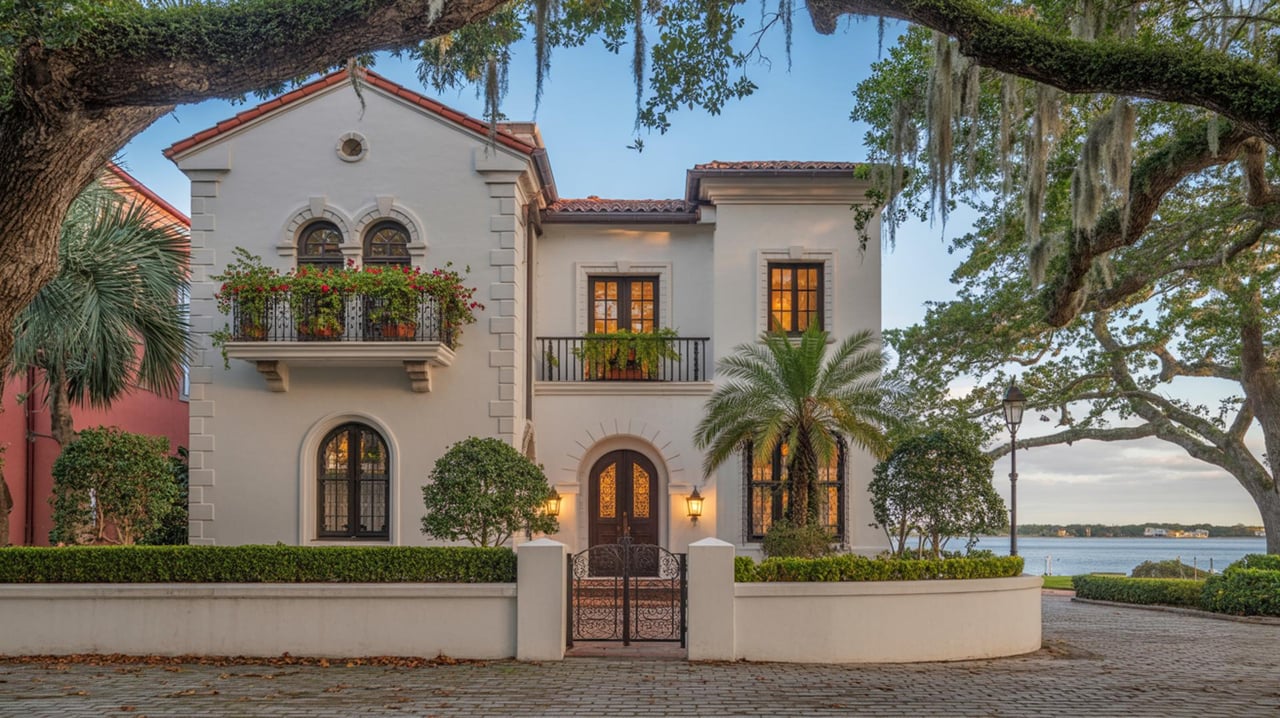
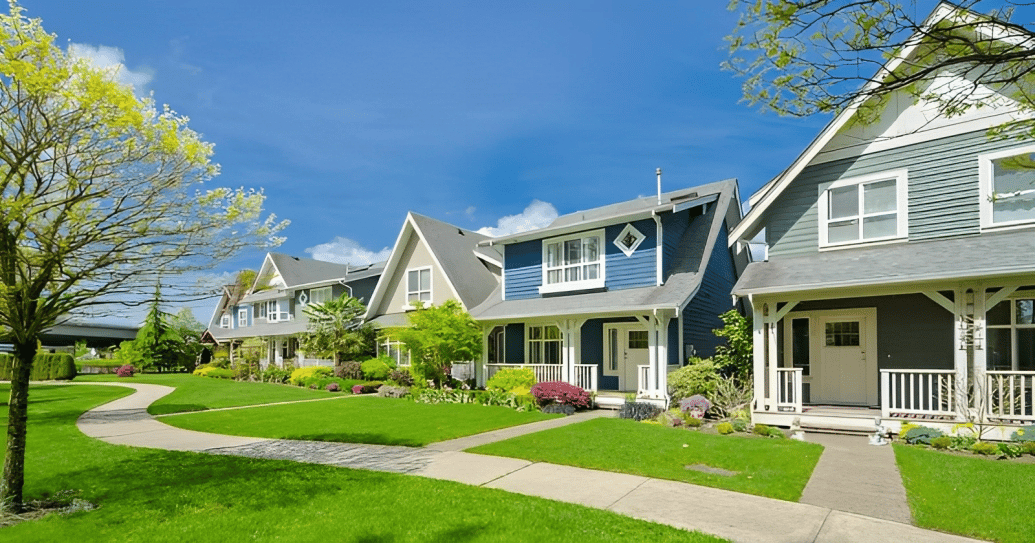
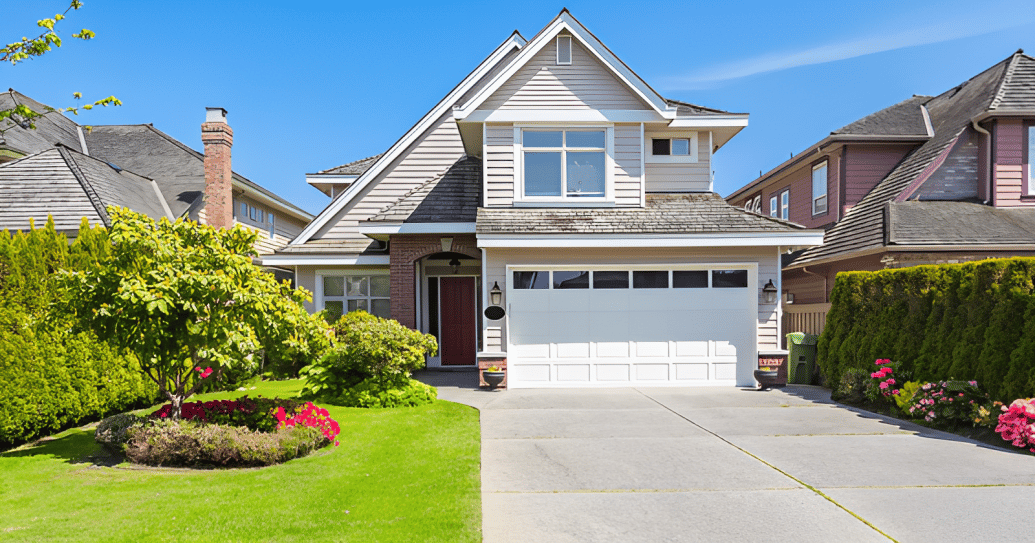
Housing is one of the clearest parts of the St. Johns identity. The area remains strongly shaped by suburban neighborhoods, owner occupancy, and continuing new construction. If you picture single-family communities, expanding residential areas, and a range of newer homes, that is largely what the data supports.
The county’s owner-occupied housing rate is 82.2%, which is a strong sign of a homeowner-centered market. The median owner-occupied home value is $489,200, median monthly owner costs with a mortgage are $2,351, and median gross rent is $1,922.
The dominant housing style
The most common housing pattern is still detached single-family living. Older county housing data showed roughly 70% of units as detached single-family homes, and the 2023 permit count reinforces how active that segment remains.
For buyers, that usually means you will see a lot of suburban neighborhood inventory and new-home growth. If you are relocating for space, a yard, or a more residential setting, St. Johns often fits that goal well.
Housing variety is growing
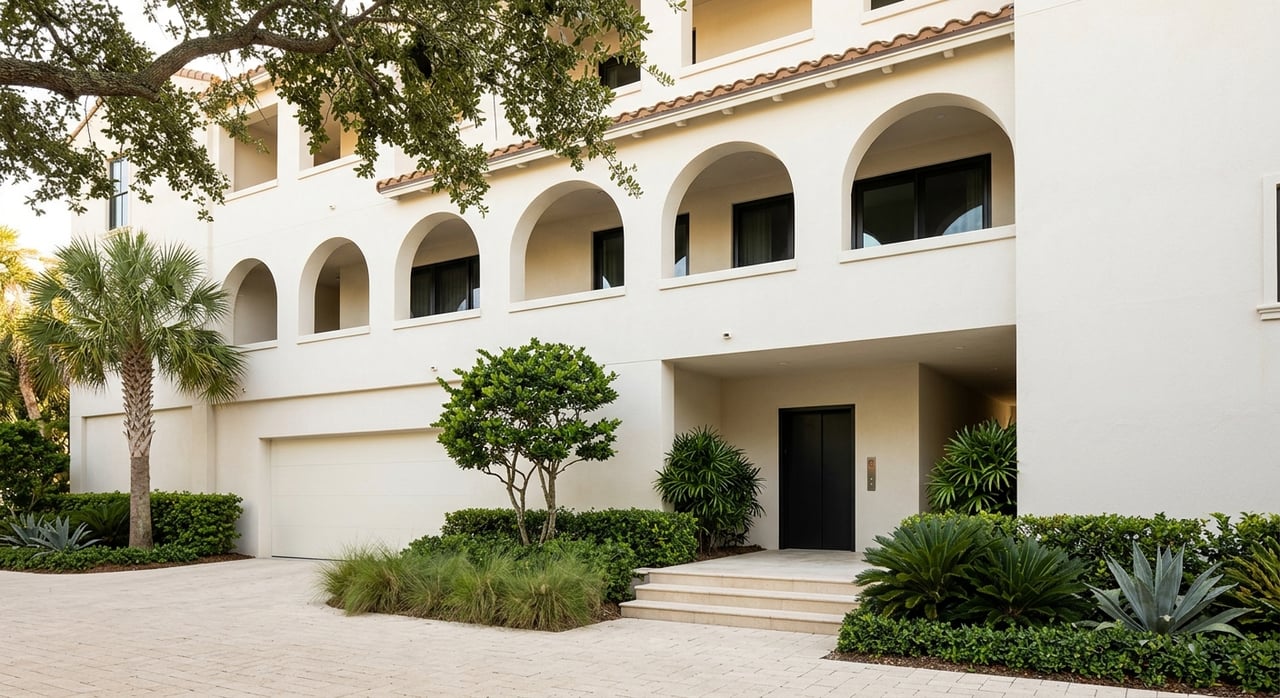
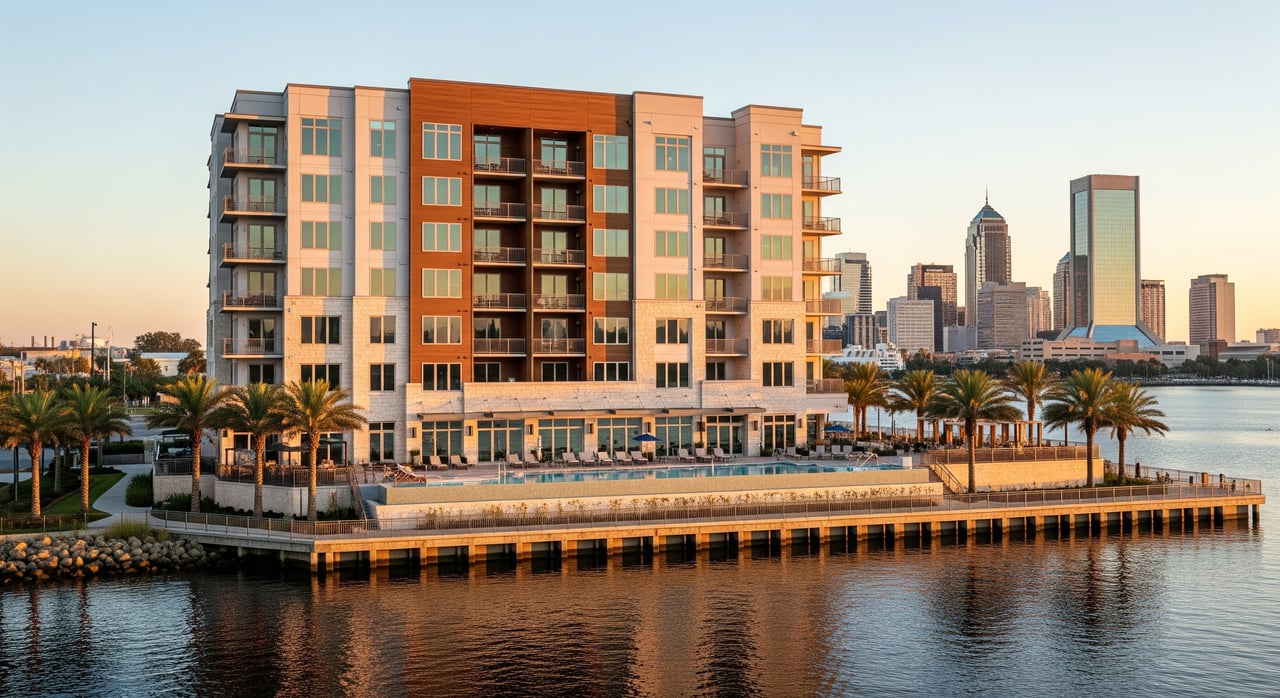
Even though single-family homes dominate the market, the county’s 2025 housing element allows for a wider mix of housing types. That includes single-family, multi-family, accessory dwelling units, manufactured homes, and mobile homes.
That wider framework matters because it points to more flexibility over time. Depending on your budget, lifestyle, or long-term plans, you may find options beyond the classic suburban house, even though that remains the area’s defining housing type.
What Daily Life Feels Like Overall
Daily life in St. Johns is shaped by convenience, space, and planning around the car. You are likely to have access to growing retail hubs, useful recreation options, and neighborhoods designed for residential living rather than dense walkability.
For many buyers, that tradeoff works well. You get a suburban base with access to Jacksonville job centers, local parks, and expanding housing choices, while still staying connected to the broader St. Johns County and northeast Florida corridor.
If you are comparing St. Johns with other nearby areas, it helps to think beyond square footage alone. Your commute pattern, preferred shopping style, and recreation habits will all shape whether this location feels like the right fit for your everyday routine.
A local guide can help you sort through those details in a practical way. If you are exploring homes, new construction opportunities, or a move within northern St. Johns County, Claudia Hilbert can help you match the right property to the lifestyle you want.
FAQs
What is commuting like in St. Johns, Florida?
- St. Johns is largely car-dependent, with a mean travel time to work of 26.9 minutes, 70.3% of workers driving alone, and very limited public transportation use.
Do many St. Johns residents commute to Jacksonville?
- Yes. County transit planning data shows that 40% of workers who live in St. Johns County commute to Duval County, which makes Jacksonville a major job center for local residents.
Are there convenient shopping options in St. Johns?
- Yes. Residents can handle many daily errands at places like Nocatee Town Center and the Pavilion at Durbin Park, while larger shopping trips often go to St. Johns Town Center in Jacksonville.
What kinds of parks and recreation are available in St. Johns?
- St. Johns offers both conservation-style recreation and active-use parks, including Nocatee Preserve for trails and Veterans Park for sports fields, courts, a skate park, playground, and dog park.
What types of housing are common in St. Johns?
- The area is still dominated by suburban single-family homes, supported by high owner occupancy and continued new-home construction, though the county also allows other housing types such as multi-family and accessory dwelling units.
Is St. Johns more suburban or urban?
- St. Johns is more suburban, with a homeowner-heavy housing profile, car-oriented daily life, expanding residential development, and amenities organized around neighborhood and regional retail centers.