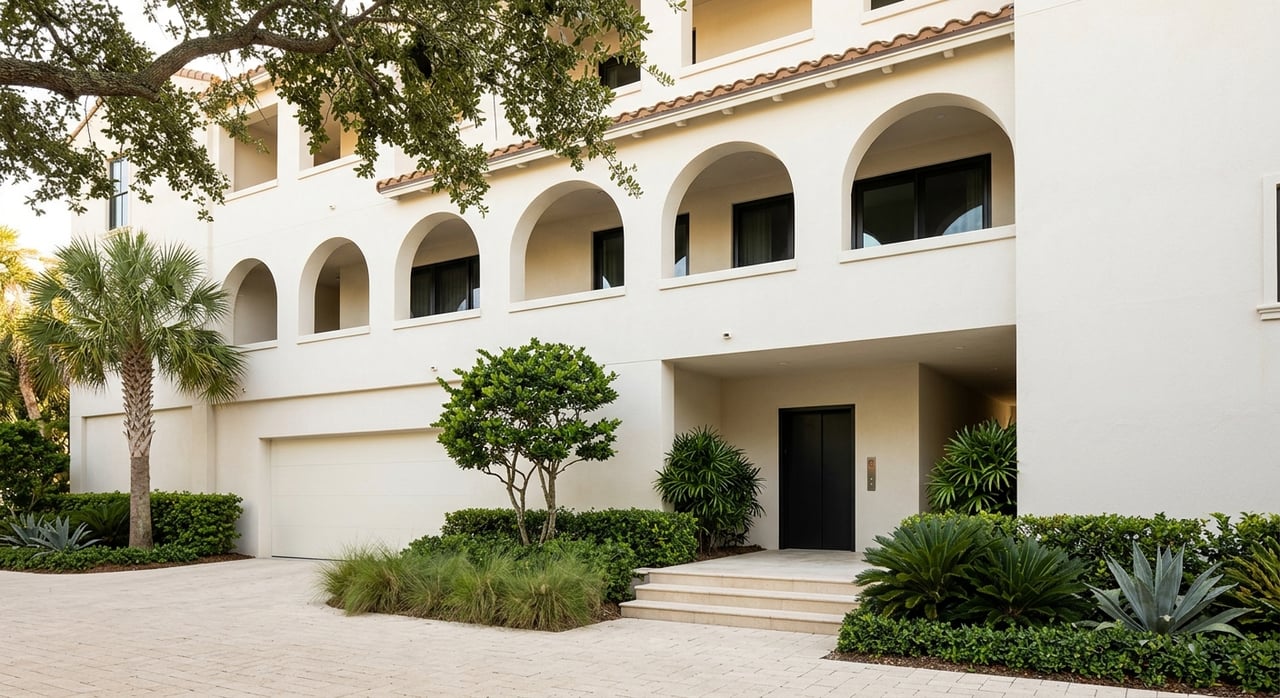
If you are searching for a coastal condo that offers beach access, a smaller-scale setting, and real flexibility for personal use or investment, Vilano Beach deserves a close look. Buying here can feel exciting, but it also comes with questions about building condition, condo rules, rental use, and long-term costs. This guide will help you understand how the Vilano Beach condo market works, what to review before you buy, and how to spot the difference between a great fit and a risky purchase. Let’s dive in.
Why Vilano Beach Feels Different
Vilano Beach is an unincorporated community in St. Johns County, just across from historic St. Augustine. That matters because county land-use rules, beach policies, and code requirements play a major role in how the area functions.
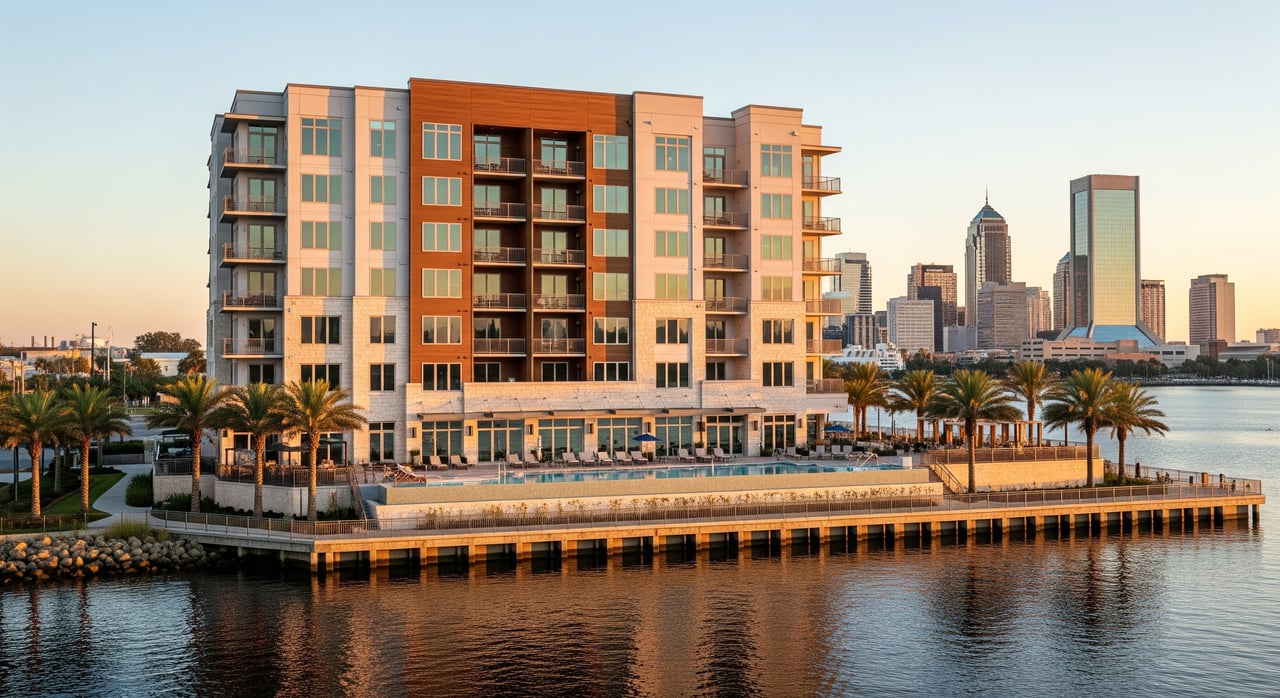
For many buyers, the biggest appeal is that Vilano does not feel like a wall of high-rise towers. County planning for the Vilano Beach Town Center points to a compact, pedestrian-oriented area with residential, commercial, and recreation-related uses, plus a strong design focus. In the Town Center, buildings are capped at three stories and 40 feet, which helps explain why the condo inventory often feels lower-rise and more village-like than in some other Florida beach markets.
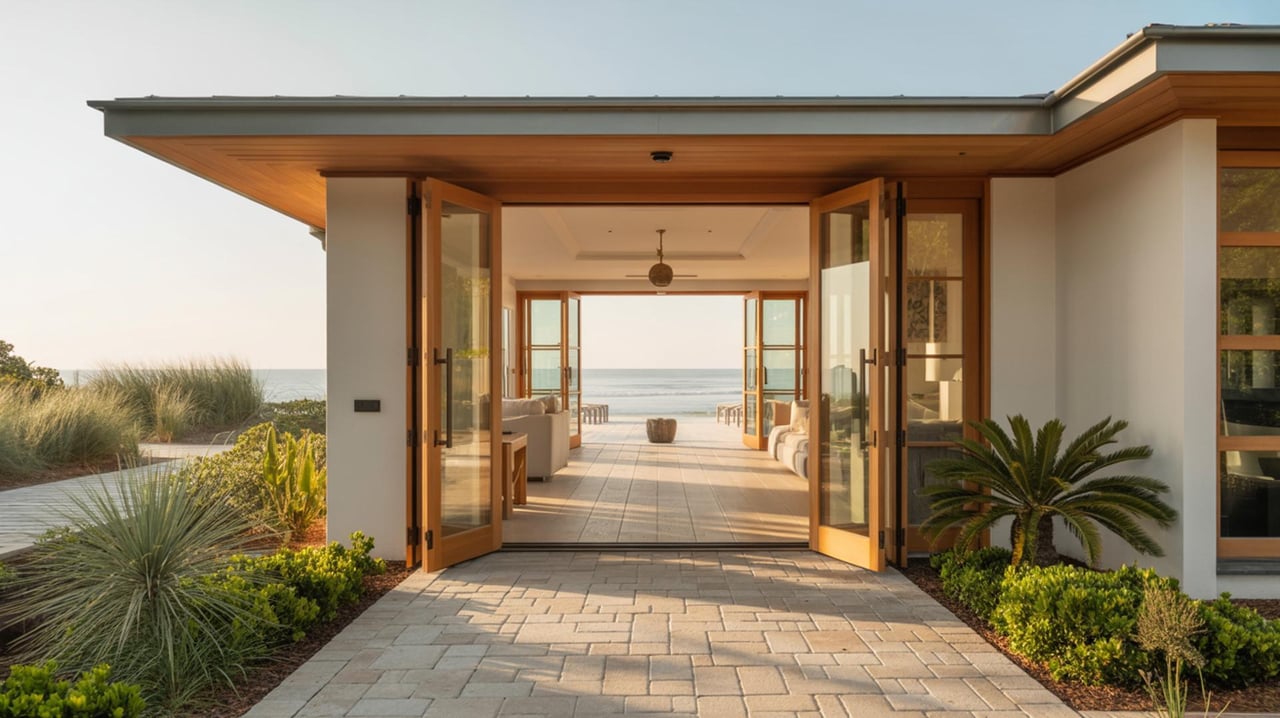
County redevelopment materials also describe Vilano as a small-beach-town setting centered around Vilano Road and Coastal Highway. You get a mix of beach, river, and town-center environments rather than one uniform condo strip. If you want a coastal property with a more intimate scale, that local character can be a major advantage.
What Condo Buyers Can Expect
Vilano Beach condos often appeal to two kinds of buyers. Some want a second home or primary residence near the ocean with easy access to St. Augustine. Others are looking for a property that may support seasonal or transient rental use, if the condo documents and licensing rules allow it.
Because the area includes beachfront access points, Intracoastal amenities, and a walkable town-center feel in certain sections, your experience can vary a lot by location. One condo may be all about ocean access. Another may feel more connected to the pier, boardwalk, or restaurants and shops.
That is why it helps to think beyond the unit itself. In Vilano Beach, value often comes from the relationship between the building, the access points, the association rules, and the intended use of the property.
Beach Access And Lifestyle Matter
One of Vilano Beach’s standout lifestyle features is its strong public access network. St. Johns County identifies both the Vilano Beach Ramp and Porpoise Point Ramp as authorized beach-access ramps, and about 12 miles of county beaches allow vehicular access.
From March 1 through September 30, vehicles accessing the beach must pay a toll and display a valid beach pass. If you plan to host guests or use your condo as a second home, this is worth understanding early. Beach-driving access can be a real perk, but it is also a practical planning detail.
Vilano Beachfront Park adds another layer of convenience. The park includes direct Atlantic Ocean access, a beach walkover, changing stations, a pavilion, an ADA playscape, restrooms, and showers. For buyers comparing condos, proximity to this kind of amenity can shape day-to-day use just as much as the interior finishes of the unit.
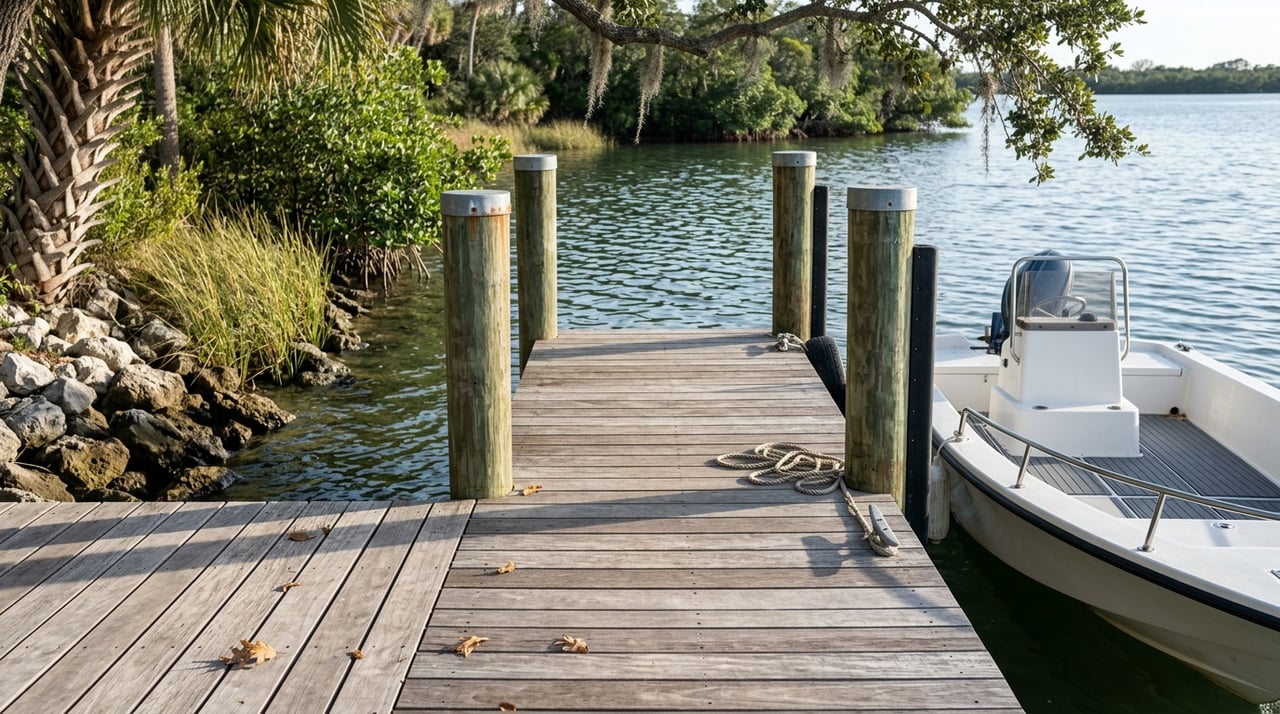
The Vilano Fishing Pier and Vilano Beach Nature Boardwalk also add to the area’s appeal. The pier offers access to the Intracoastal Waterway and includes parking, restrooms, a pavilion, and a floating dock. The nature boardwalk, located under the Usina Bridge, gives you another nearby public outdoor space that supports the area’s active coastal lifestyle.
Understanding Vilano’s Coastal Setting
Vilano Beach is just north of downtown St. Augustine and sits on the north side of the Matanzas Inlet. Local tourism materials describe the area as having a steeper drop-off, heavier surf, and stronger current near the inlet.
For some buyers, that active water setting is part of the appeal. The area is known for surfing and skimboarding, and it offers relatively easy access to both the beach and downtown St. Augustine. Still, if beach conditions and access style matter to you, it is smart to compare locations carefully rather than assume every condo offers the same experience.
The Most Important Condo Documents To Review
In Florida, condo due diligence is a major part of the buying process. For resale purchases, buyers must receive key condominium documents, including the declaration, bylaws, rules, annual budget, financial statement, and any inspection or reserve documents that apply.
For contracts signed after December 31, 2024, Florida law also requires disclosure about whether a milestone inspection, turnover inspection report, or structural integrity reserve study has been completed, or whether it is not required. If required documents are not delivered on time, buyers may have voidability rights.
That means your decision should not rest only on location or finishes. You also want a clear picture of how the building is governed, how it is funded, and whether required inspections and studies have already been completed.
Why Older Coastal Buildings Need Extra Attention
If you are looking at an older condo building, structural and financial readiness should be front and center. Florida’s condo safety framework now requires a structural integrity reserve study at least every 10 years for residential condominium associations with buildings that are three habitable stories or higher.
The study covers major building components such as the roof, structure, fireproofing and fire protection, plumbing, electrical systems, waterproofing and exterior painting, and windows and exterior doors. It must also identify remaining useful life, replacement cost, and a reserve funding plan for covered items.
Buildings three habitable stories or higher are also subject to milestone inspection rules at age 30 and every 10 years after that. In practical terms, this can affect monthly dues, special assessments, and even buyer confidence about future maintenance planning.
What Reserve Funding Means For You
Reserve funding is no longer a side issue in many Florida condo purchases. If a unit-owner-controlled association is required to obtain a structural integrity reserve study, the statute now requires reserves for those covered items.
For you, this changes the conversation. Instead of asking only whether the condo fee seems reasonable, you also want to know whether reserves are actually aligned with the building’s real repair needs. A lower monthly fee may not be a bargain if the association is underprepared for roofing, waterproofing, electrical, or plumbing work.
This is especially relevant in a coastal environment. Salt air, moisture exposure, and age-related wear can make deferred maintenance more costly if it is not addressed on time.
Short-Term Rental Rules Are Layered
If you are buying with investment income in mind, rental rules need careful review. In Vilano Beach, the answer is not simply whether short-term rentals are allowed in the area. The real question is whether your specific condo, association, and intended rental pattern all line up.
St. Johns County requires registration for certain short-term vacation rentals and asks for items such as a sample lease with occupancy and vehicle limits, a 24-hour contact, a local business tax receipt, a Florida Department of Revenue sales and use tax certificate, and annual renewal. However, the county ordinance exempts multi-family dwellings governed by or subject to a condo or homeowners association, or properties with onsite management.
That exemption is important, but it does not mean you can skip due diligence. Many condo buyers will need to start with the association documents, then confirm whether state licensing or tax obligations still apply for the use they have in mind.
State Licensing Can Still Apply
At the state level, the Florida Department of Business and Professional Regulation defines a vacation rental as a unit or group of units in a condominium or cooperative that is a transient public lodging establishment. According to DBPR, a vacation-rental condominium license is generally needed when an entire unit is rented more than three times in a calendar year for periods of less than 30 days, or when it is advertised as regularly rented that way.
Short-term rental income can also trigger state sales tax and county transient rental taxes. For investors, this means you should treat rental use as an operational question, not just a marketing opportunity.
If the building is used for vacation rentals and is three stories or more, DBPR also flags a certificate of balcony inspection unless those balconies and stairs are common elements of the condominium. That detail can directly affect compliance, timing, and operating costs.
Questions To Ask Before You Make An Offer
Before you commit to a Vilano Beach condo, ask questions that go beyond the listing sheet. A strong purchase decision usually comes from matching the property’s condition and rules to your real plans.
Here are some of the most useful questions to ask:
- Is the building inside the Vilano Beach Town Center overlay, and do any design or use standards affect the project?
- How old is the building, and how many habitable stories does it have?
- If the building is three habitable stories or higher, has it completed any required milestone inspection and structural integrity reserve study?
- Can you review the current budget, financial statement, declaration, bylaws, rules, and FAQ document before closing?
- Are reserve accounts fully funding the items identified in the reserve study?
- Has the association imposed a special assessment or borrowed funds for deferred maintenance or repairs?
- If rental income matters to you, does the declaration allow transient or seasonal rental use?
- Does the building fall under a county exemption, and are any state licensing or tax registrations still required?
- If the condo is used for short-term rentals and the building is three stories or more, is there current balcony-inspection or other life-safety documentation on file?
- What are the parking, guest, pet, trash, and occupancy rules?
- Which beach access point is closest, and is it walking access, parking access, or beach-driving access?
A Smart Way To Evaluate Value
In Vilano Beach, a condo’s value is about more than square footage and proximity to sand. A well-positioned unit in a well-managed building may offer a better long-term outcome than a more visually impressive unit in a building with weak reserves or unclear rental rules.
That is especially true for buyers who plan to hold the property for years. Your ownership experience will be shaped by the association’s financial health, the building’s inspection status, and how well the property fits your intended use.
For second-home buyers, this means balancing lifestyle with building quality. For investors, it means looking closely at compliance, operating requirements, and the true cost of ownership.
Why Local Guidance Matters In Vilano Beach
Vilano Beach can be a rewarding market because it offers a distinct coastal feel, strong public amenities, and close access to St. Augustine. But it is also a market where small details matter. The difference between one condo and another may come down to overlay rules, reserve planning, inspection timing, or whether the association actually permits the use you want.
That is where local, property-specific guidance becomes valuable. When you understand both the village-scale appeal of Vilano and the realities of Florida condo ownership, you can make a more confident decision and avoid surprises after closing.
If you are considering a condo in Vilano Beach, whether for personal use, a second home, or seasonal investment goals, Claudia Hilbert can help you evaluate the building, the documents, and the local context with a clear coastal-market perspective.
FAQs
What makes Vilano Beach condos different from other Florida coastal condos?
- Vilano Beach often feels more village-scale and lower-rise because parts of the area are shaped by St. Johns County planning rules that support a compact mixed-use setting and cap Town Center buildings at three stories and 40 feet.
What condo documents should you review before buying in Vilano Beach?
- You should review the declaration, bylaws, rules, annual budget, financial statement, and any applicable inspection or reserve documents, including milestone inspection and structural integrity reserve study materials when required.
What should investors know about short-term rentals in Vilano Beach condos?
- You should first confirm what the condo association allows, then review whether county registration rules, DBPR vacation-rental licensing, and applicable tax registrations apply to your intended rental pattern.
What inspections matter for older Vilano Beach condo buildings?
- For buildings that are three habitable stories or higher, milestone inspections and structural integrity reserve studies are key due-diligence items under current Florida law.
What lifestyle amenities should condo buyers compare in Vilano Beach?
- You should compare access to features such as Vilano Beachfront Park, the Vilano Fishing Pier, the nature boardwalk, nearby beach ramps, and the ease of getting to downtown St. Augustine.
Why do condo reserves matter when buying in Vilano Beach?
- Reserve funding matters because it affects whether the building is financially prepared for major repairs such as roofing, waterproofing, plumbing, electrical work, and other long-term maintenance needs.