Trying to choose between historic St. Augustine and a newer planned community? You are not alone. Many buyers love the idea of old-world charm, but they also want a home that fits modern routines, parking needs, and maintenance expectations. The good news is that both options offer real advantages in the St. Augustine and northern St. Johns corridor. This guide will help you compare lifestyle, upkeep, access, and day-to-day convenience so you can decide which setting fits you best. Let’s dive in.
Historic St. Augustine vs newer communities
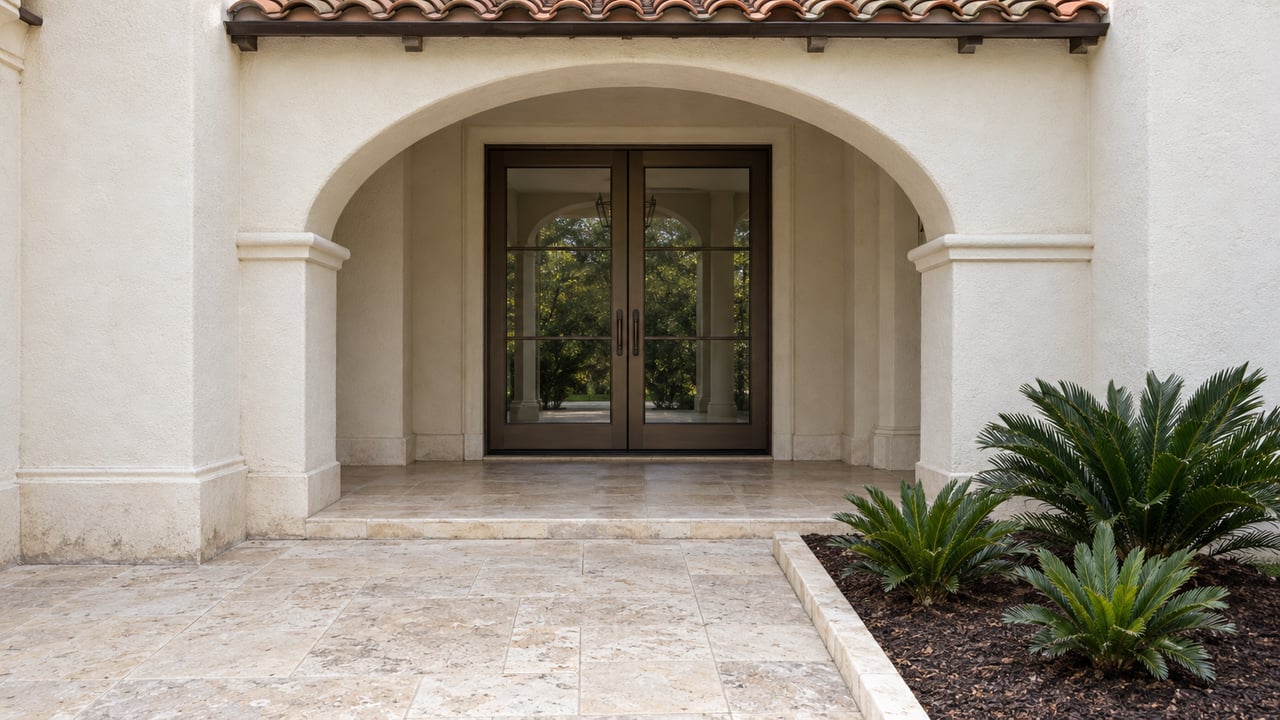
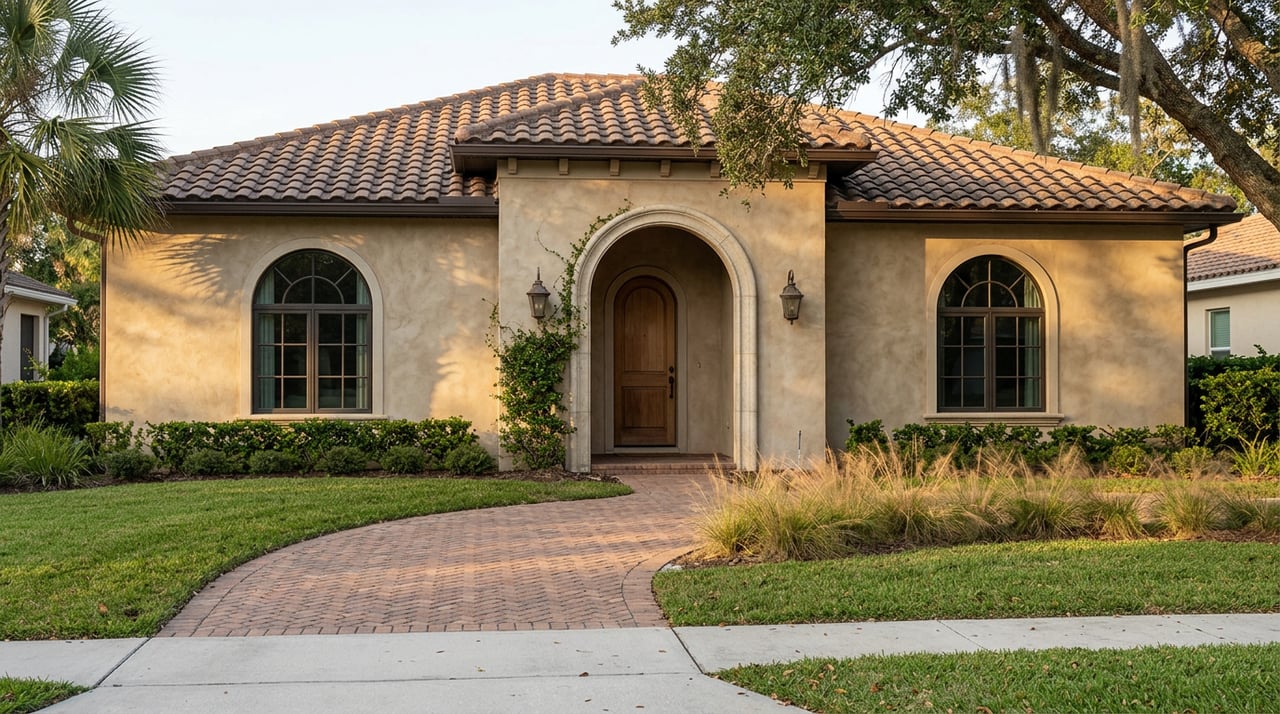
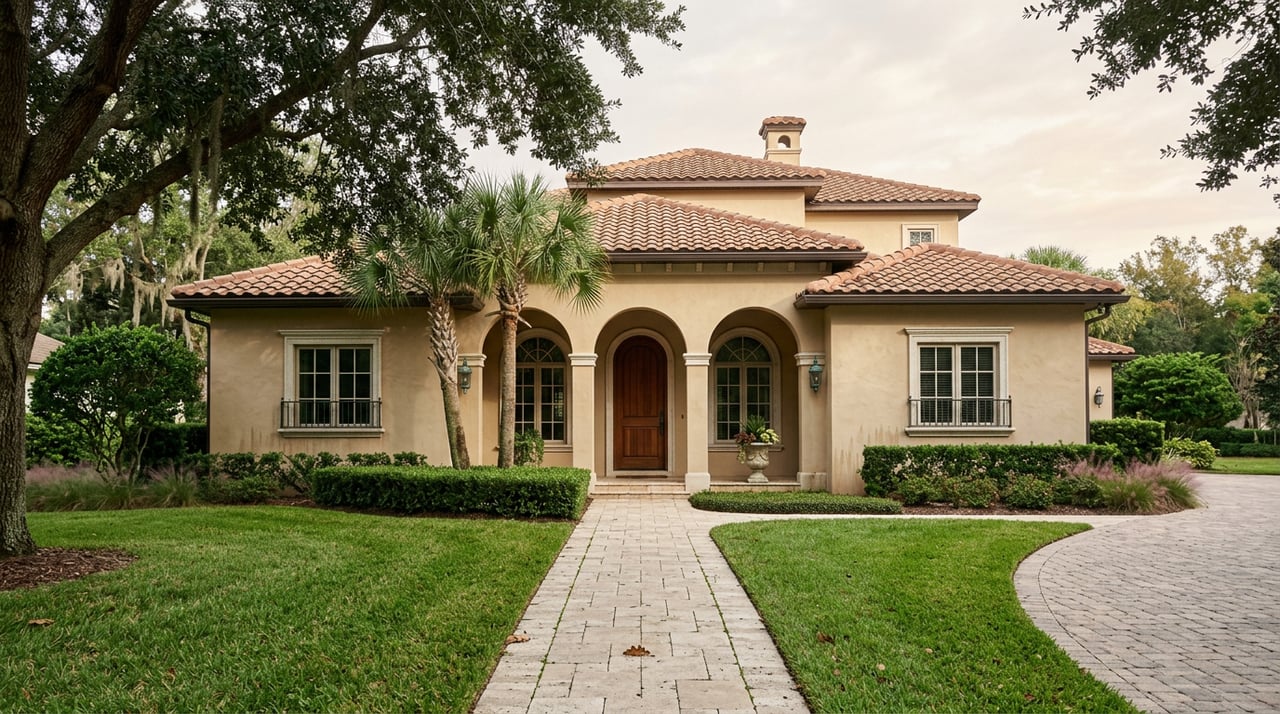
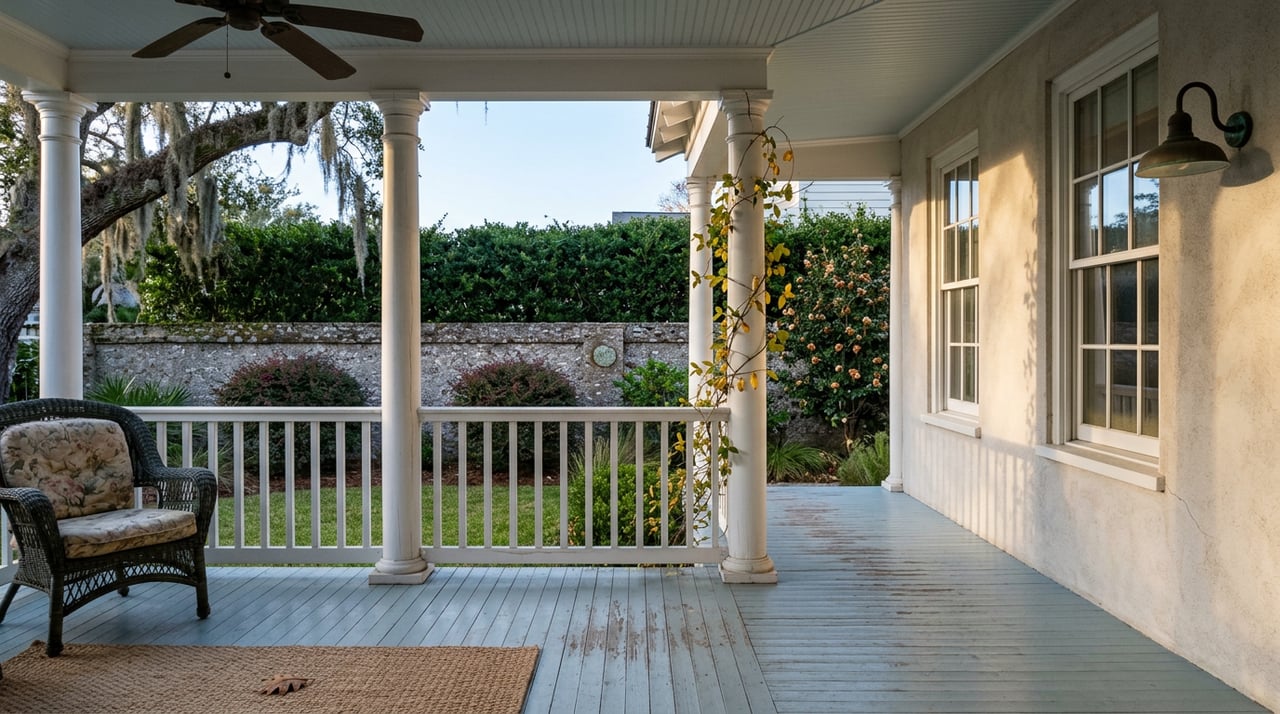
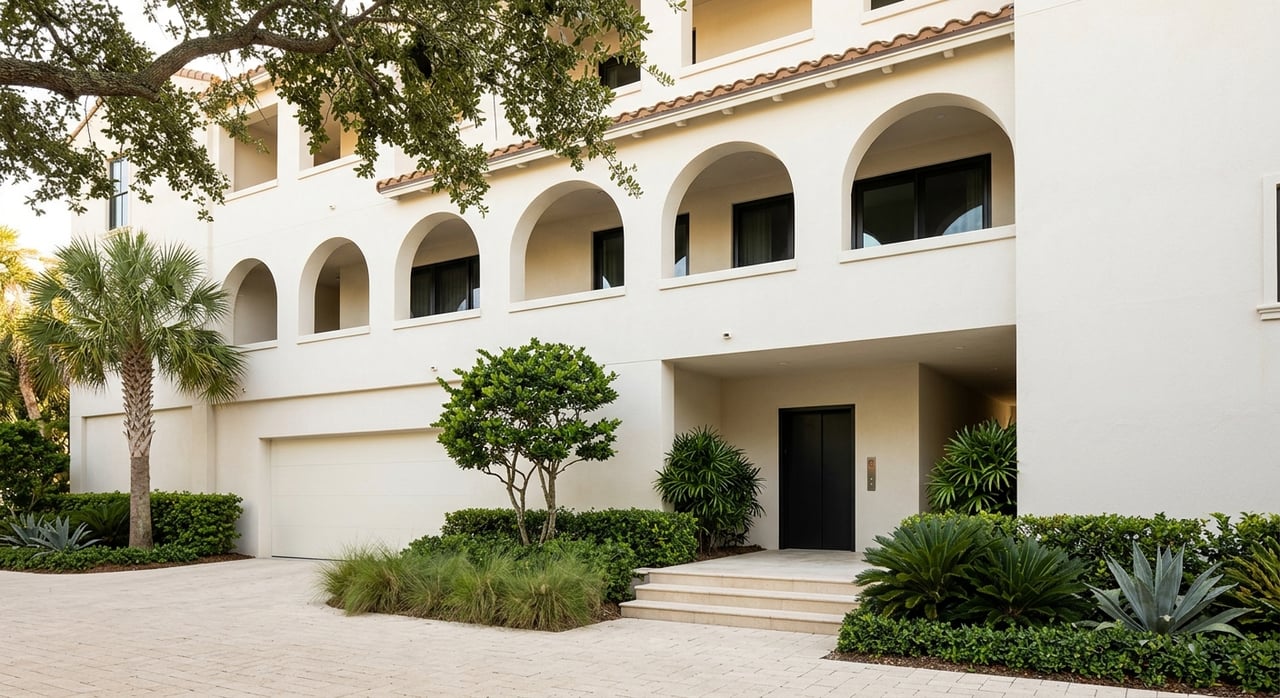
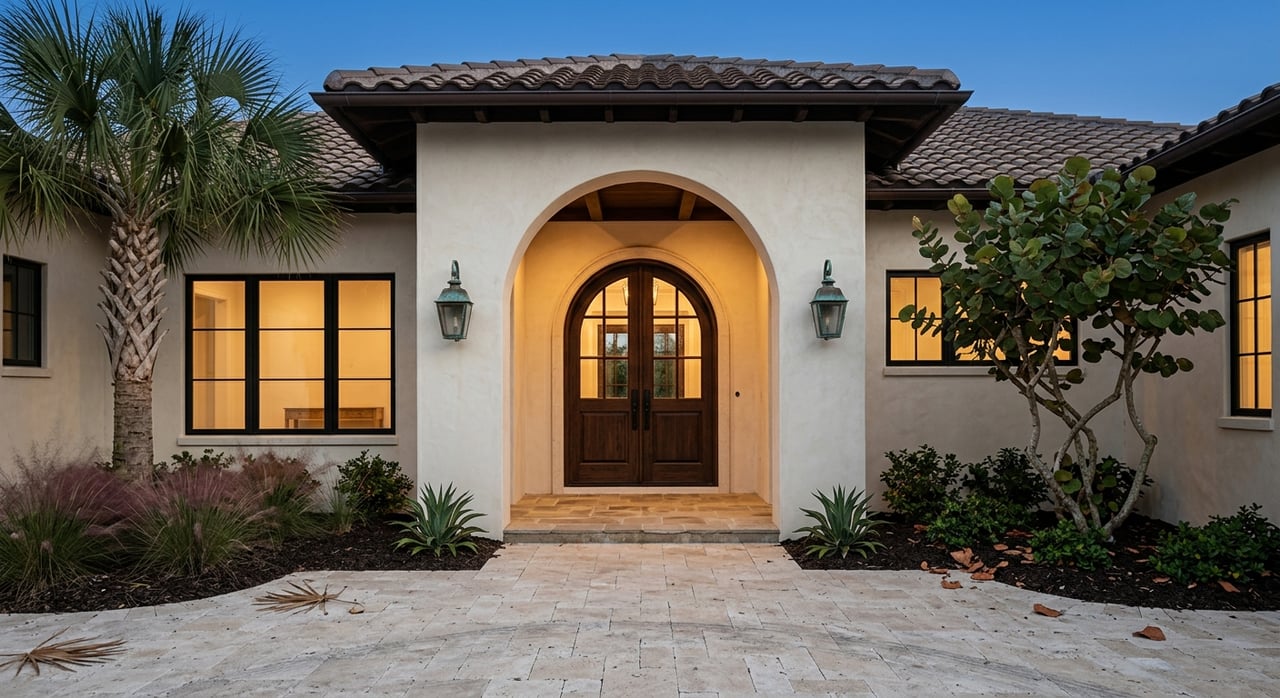
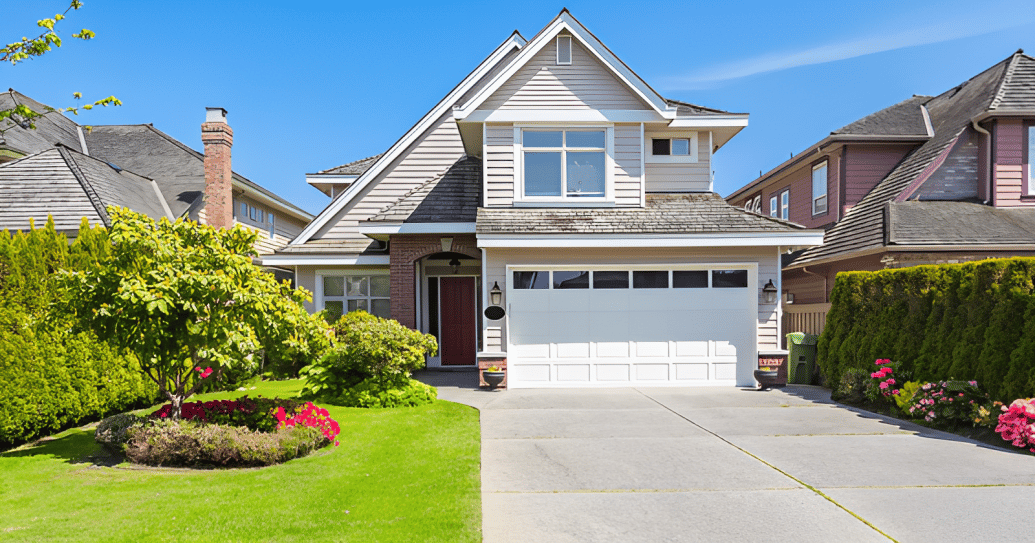
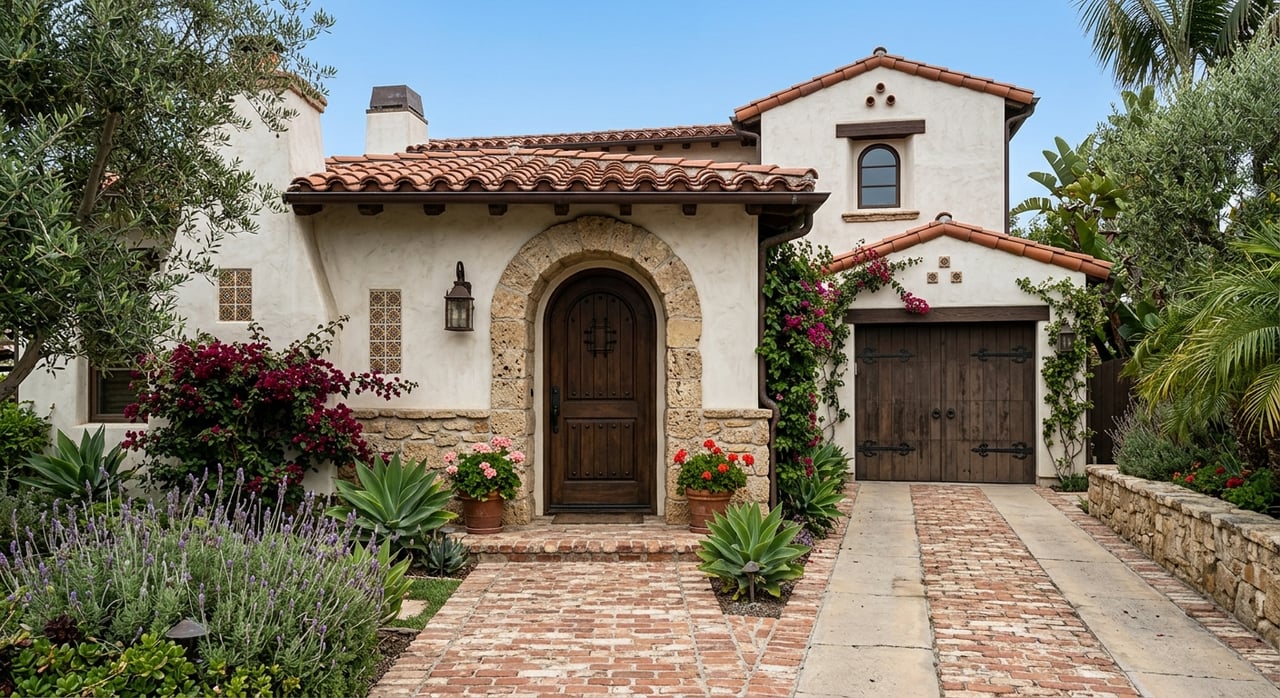
At the highest level, this decision is less about old versus new and more about how you want to live. Historic St. Augustine offers architectural character, walkable streets, and a downtown experience shaped by centuries of history. Newer communities like Nocatee and SilverLeaf focus more on modern floor plans, neighborhood amenities, and easier circulation by car or golf cart.
If you picture yourself stepping outside to a distinctive streetscape, nearby landmarks, and a pedestrian-friendly downtown, the historic core may feel like home. If you want newer construction, garages, and a more predictable ownership routine, a master-planned community may be the stronger fit.
What historic St. Augustine feels like
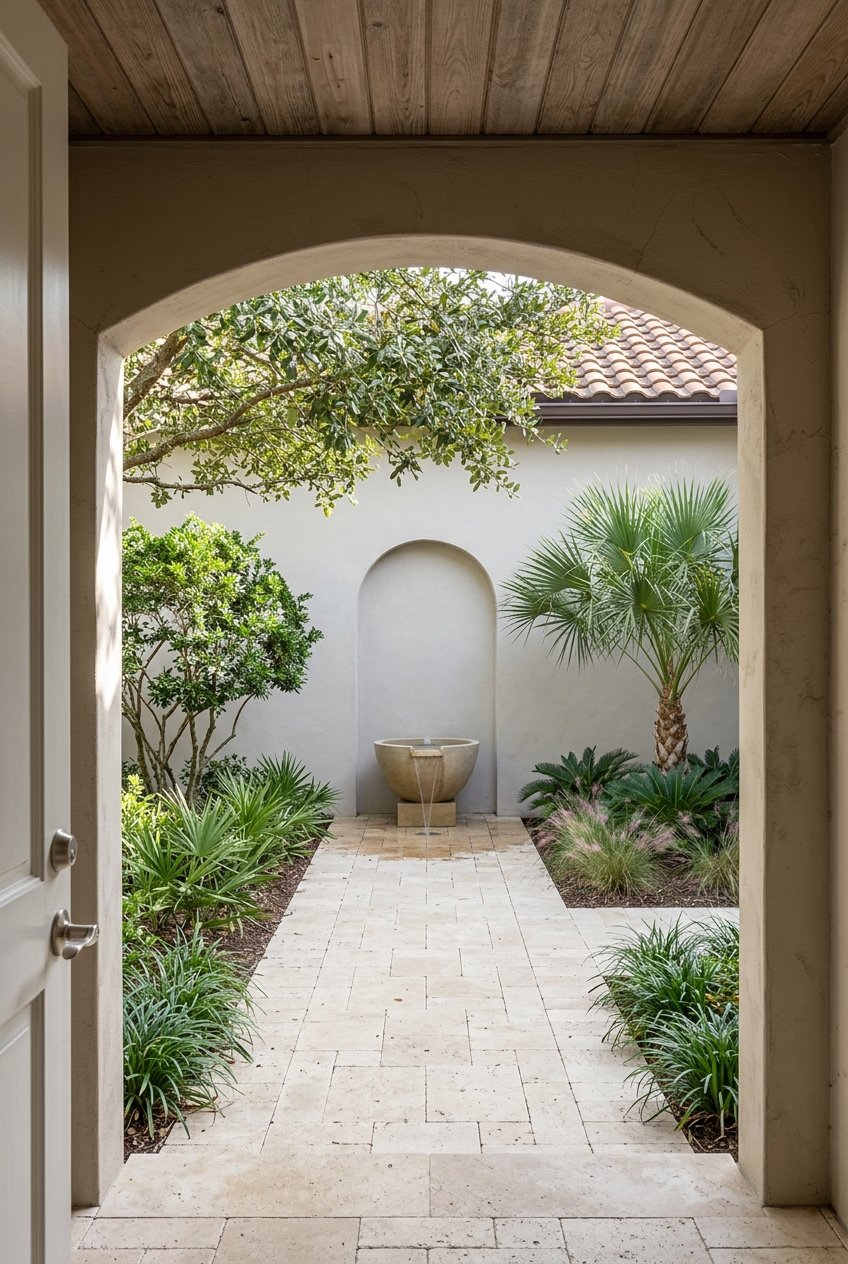
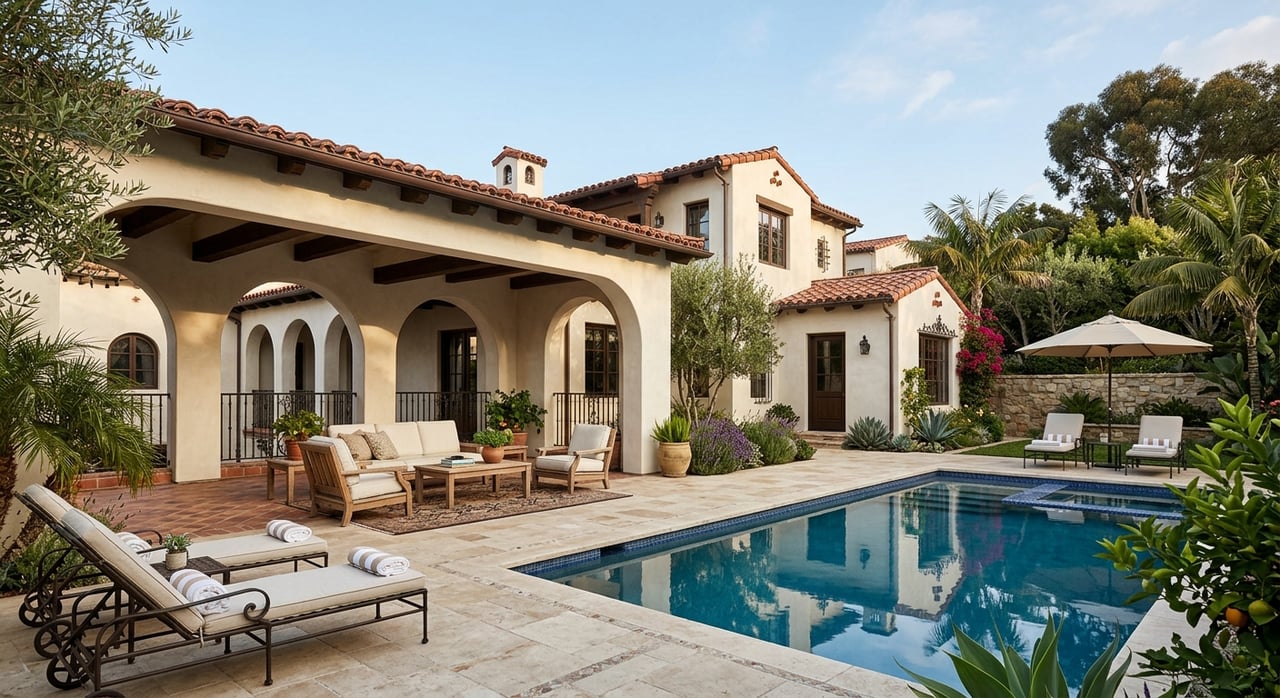
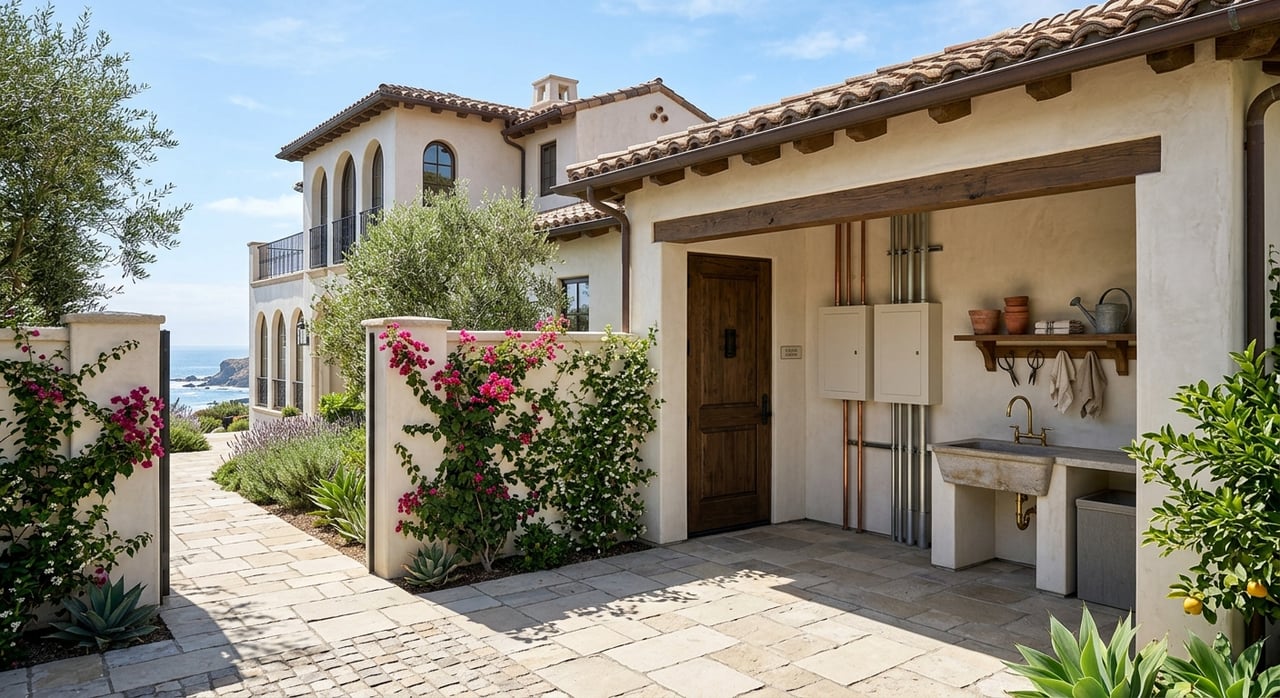
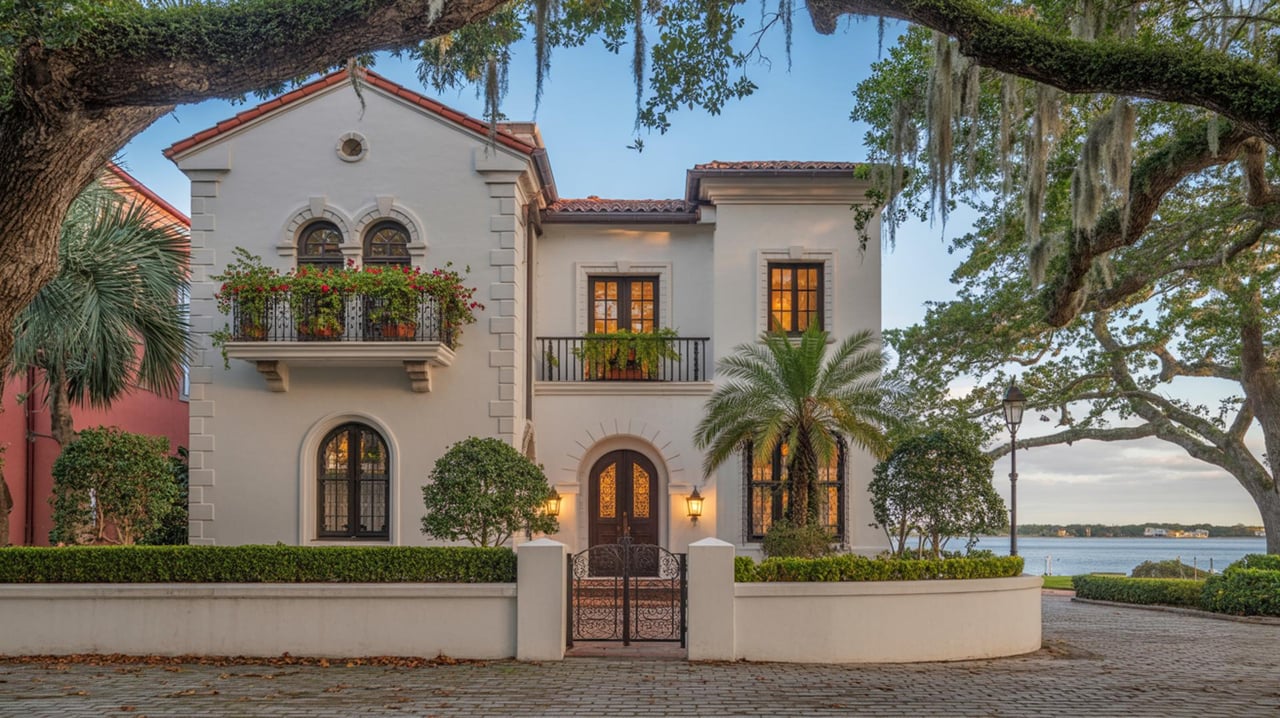
Historic St. Augustine is shaped by a much older street pattern than most Florida neighborhoods. The city notes that its 1565 town plan predates modern vehicles, which helps explain the narrow streets, one-way segments, and close-in urban feel. That layout creates charm, but it also affects how you move through the area every day.
Downtown is also highly walkable. The city describes it as extremely walkable, with a walk score of 85 out of 100, sidewalks on most streets, and access to the free STAR Circulator bus connecting key downtown stops. For buyers who value being able to walk to restaurants, museums, and downtown destinations, that is a major lifestyle advantage.
Historic homes come with preservation rules
One of the most important things to understand is that the historic core is not just visually distinctive. It is also preservation-regulated. The City of St. Augustine says that properties in Historic Preservation Zoning districts may require Historic Architectural Review Board approval for alterations or demolition.
That means buying in a historic area often involves more than loving the look of a home. You also need to think about what future changes may involve, especially if you hope to update exterior features, add onto the house, or change materials.
Character can mean more planning
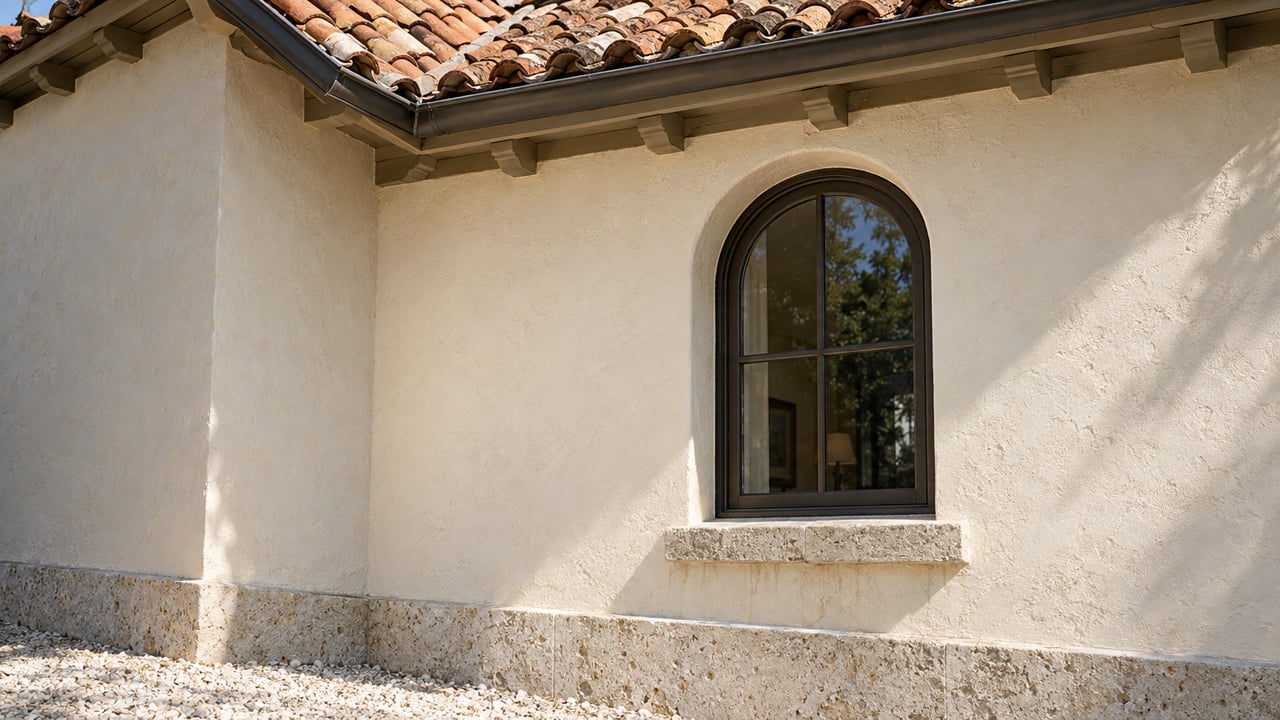
Historic ownership often comes with a more careful approach to repairs and updates. Preservation guidance cited in the research emphasizes maintenance and repair of historic materials and features before replacement. In practical terms, that can mean more planning, more attention to materials, and a more process-driven experience when changes are needed.
For some buyers, that is part of the appeal. If you appreciate architectural detail and want a home with a strong sense of place, those extra considerations may feel worthwhile. For others, it may feel like too much oversight for day-to-day ownership.
What newer communities emphasize
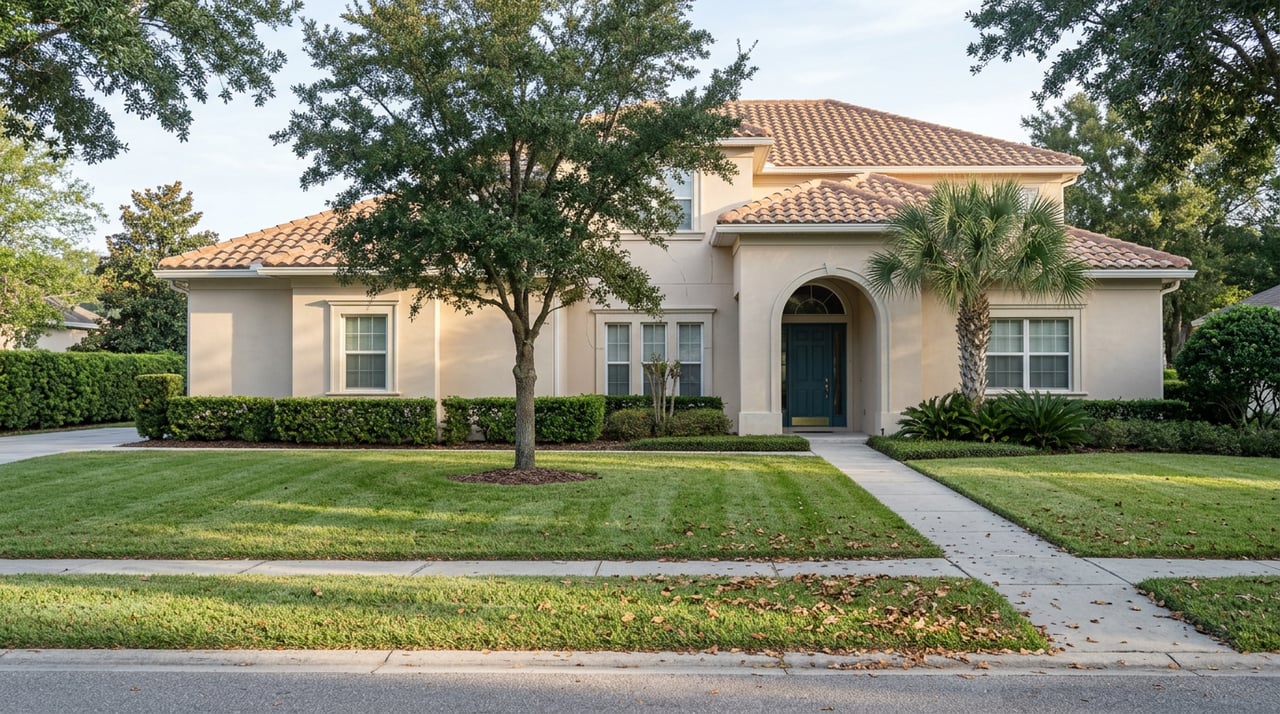
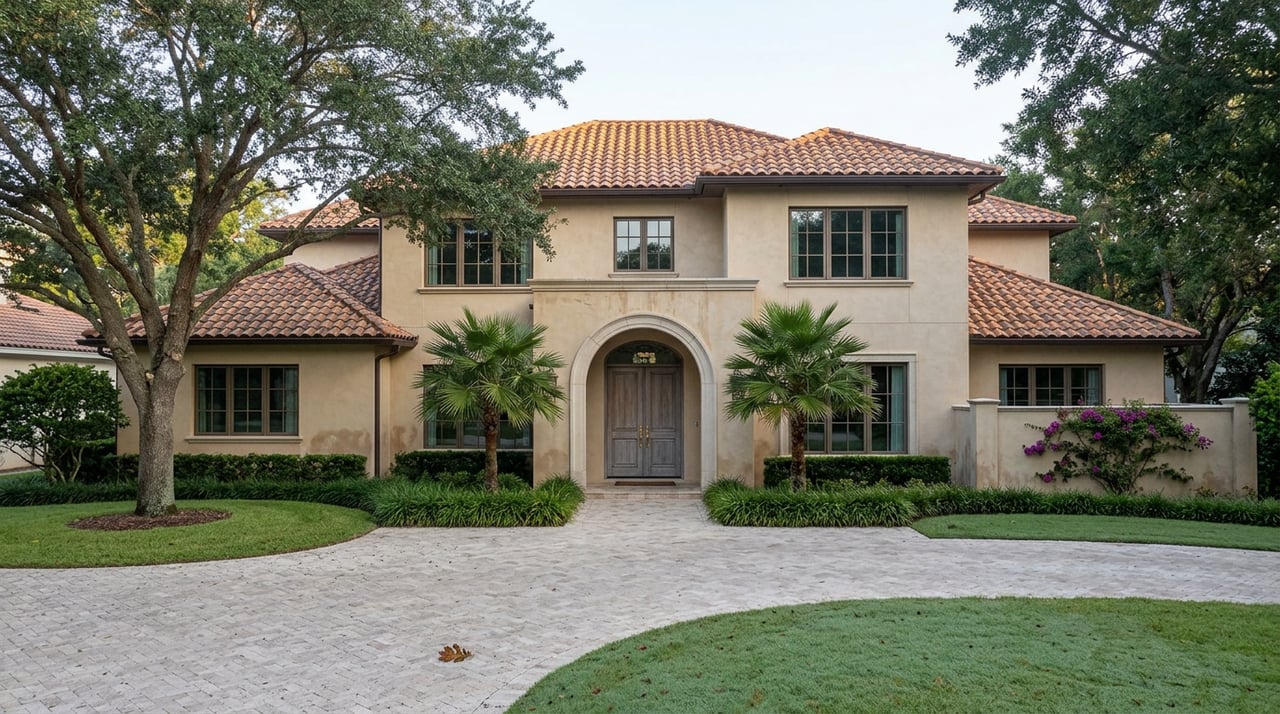
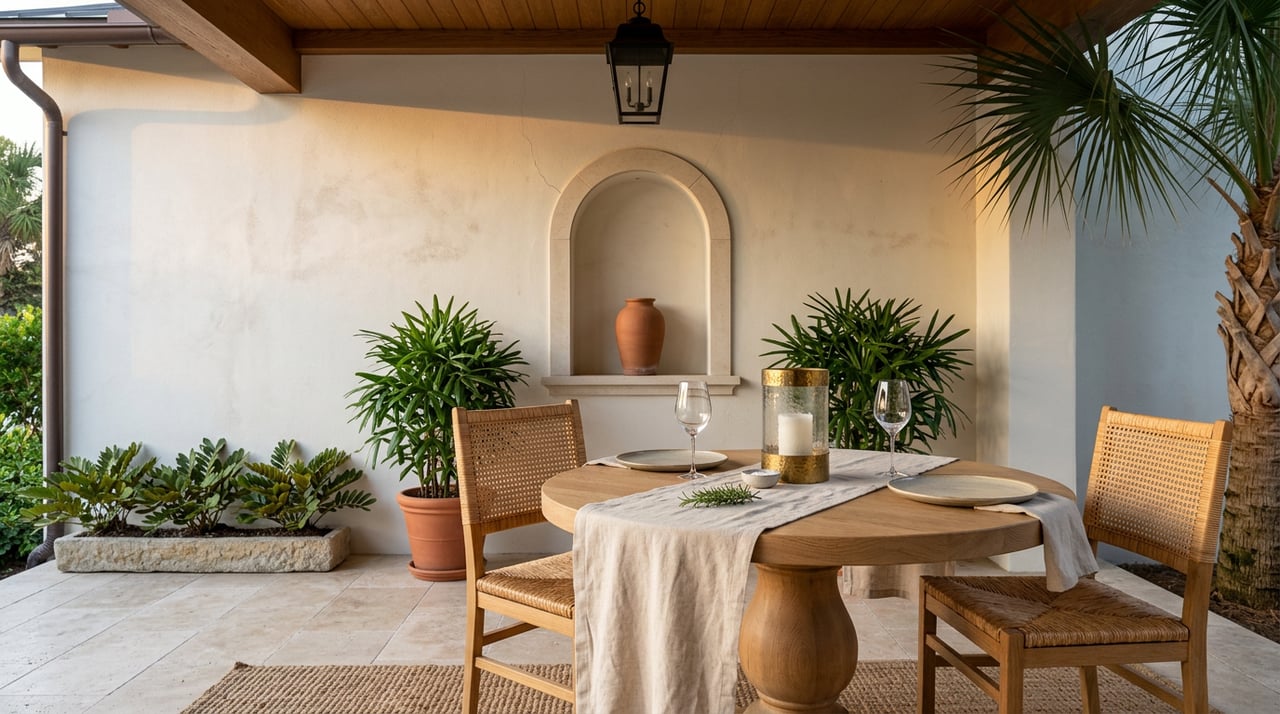
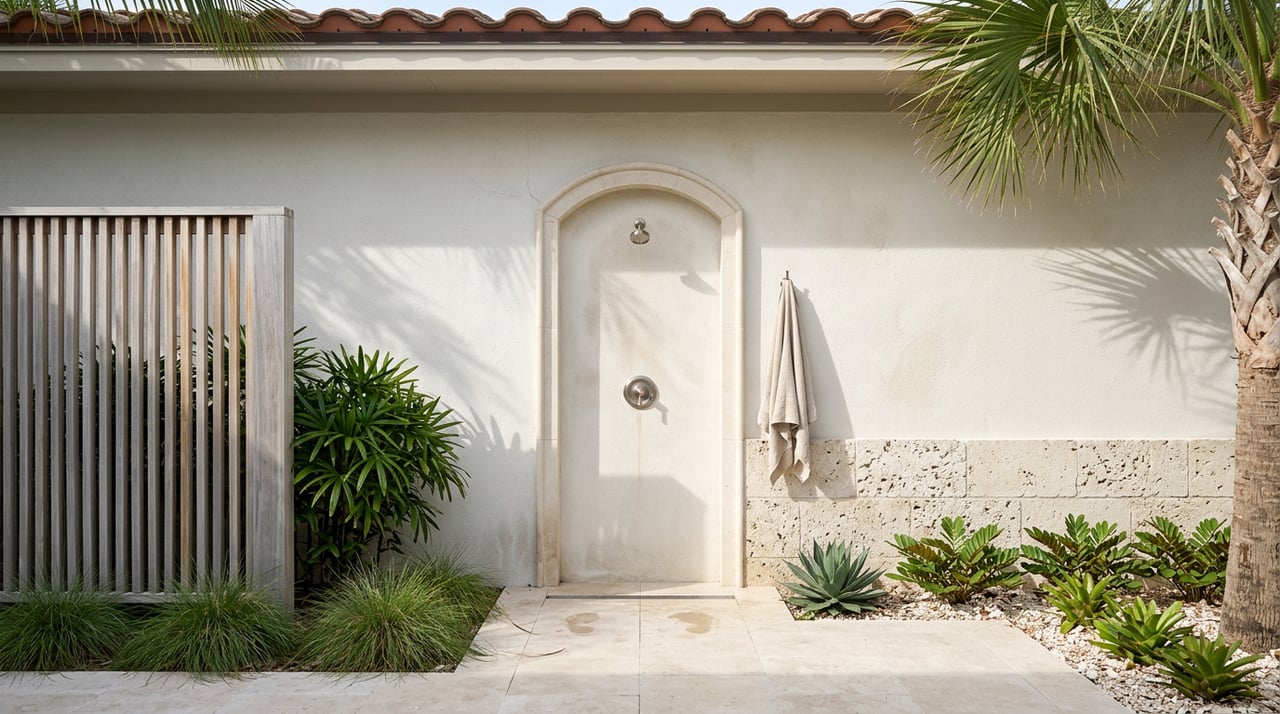
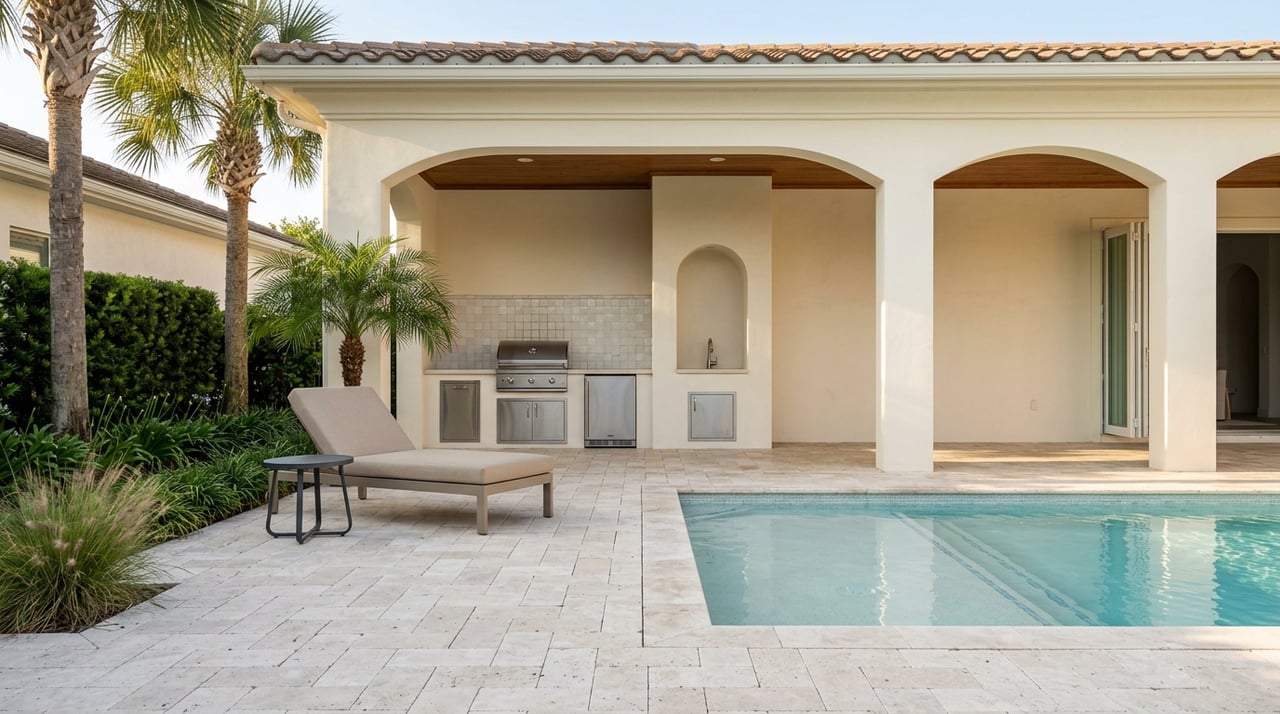
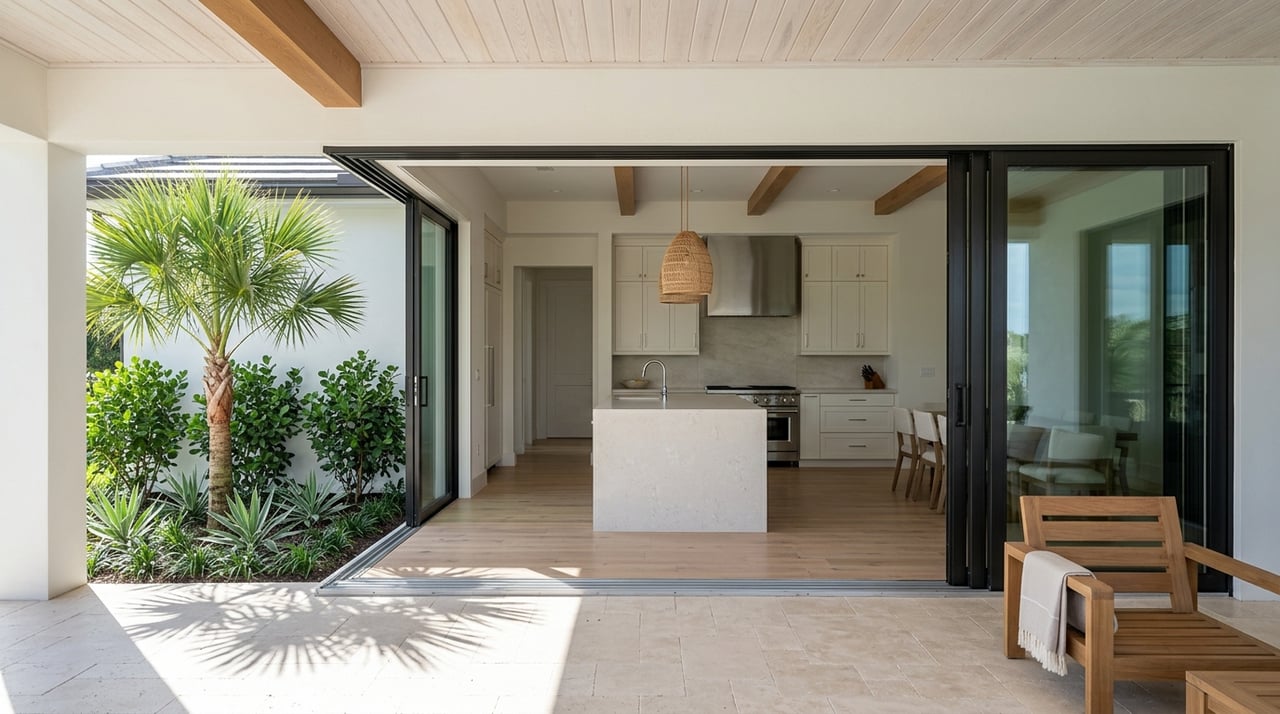
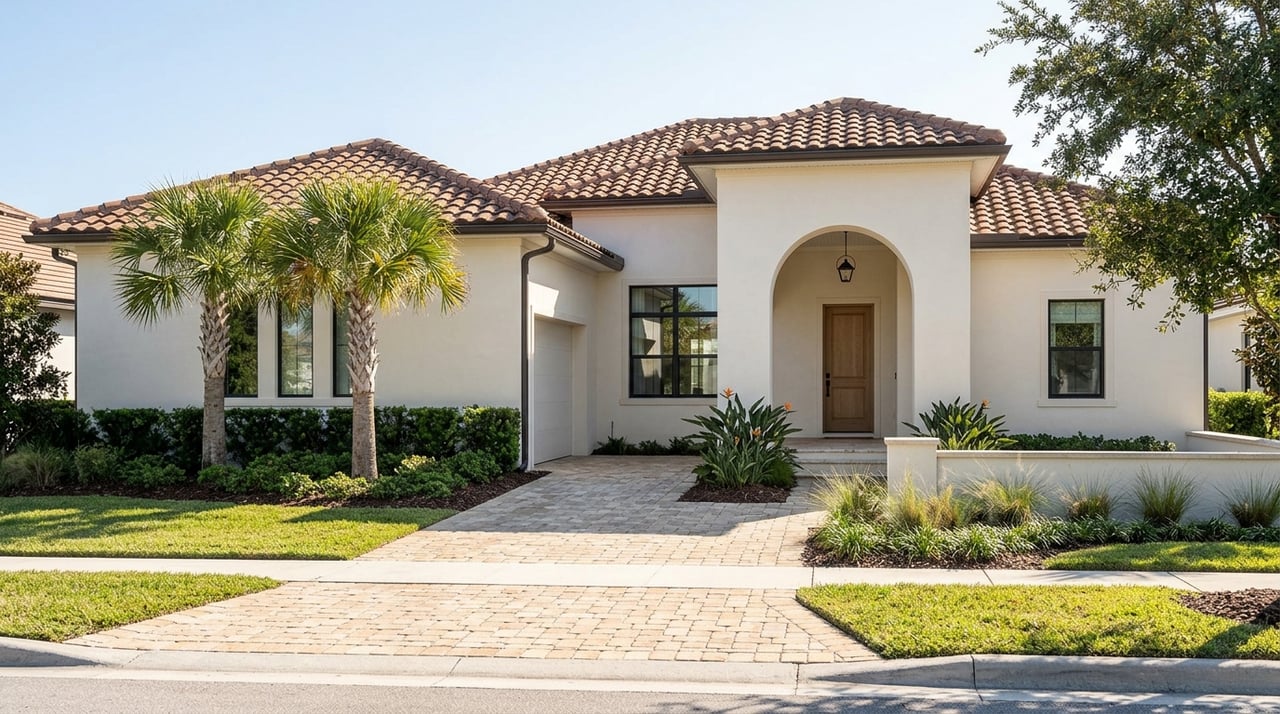
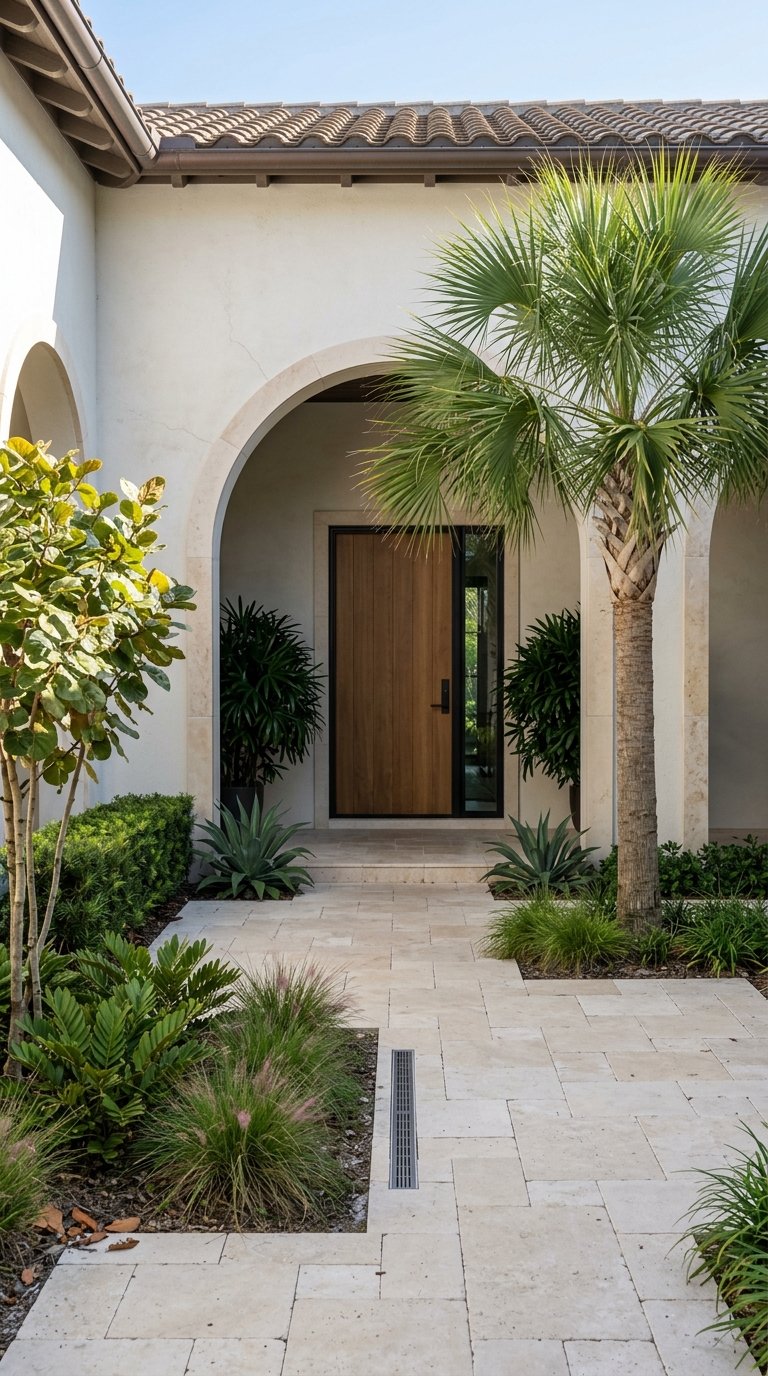
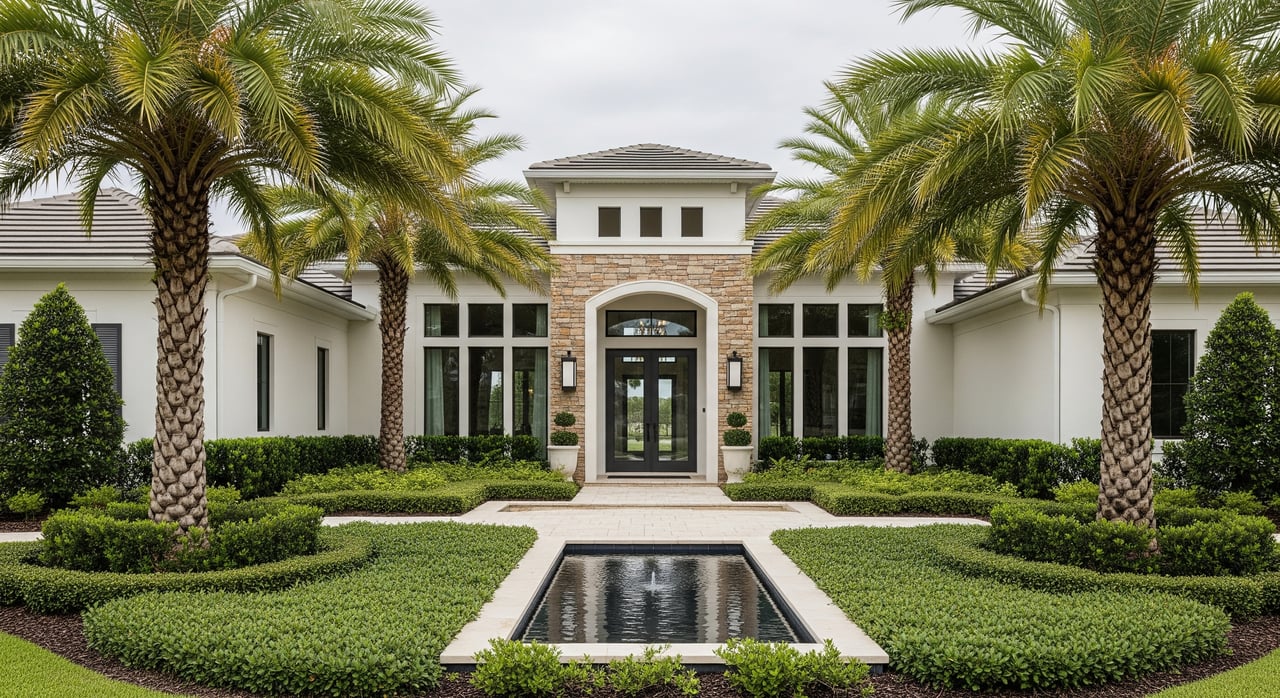
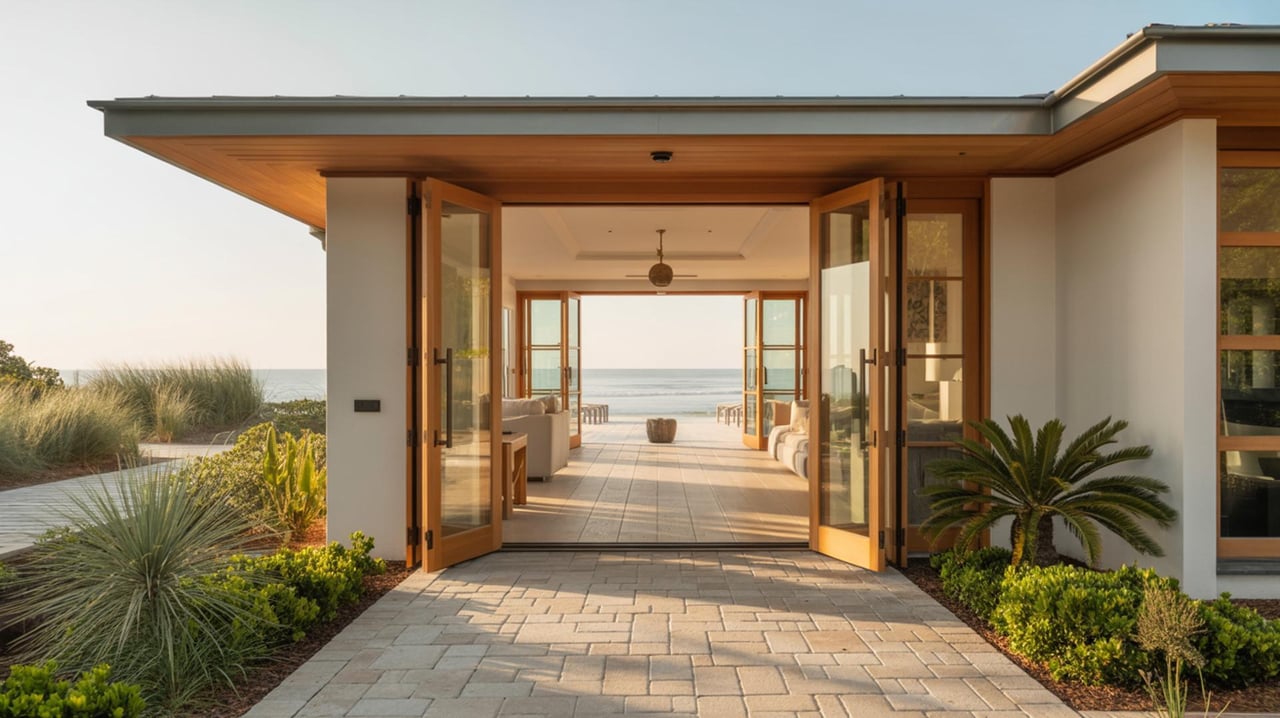
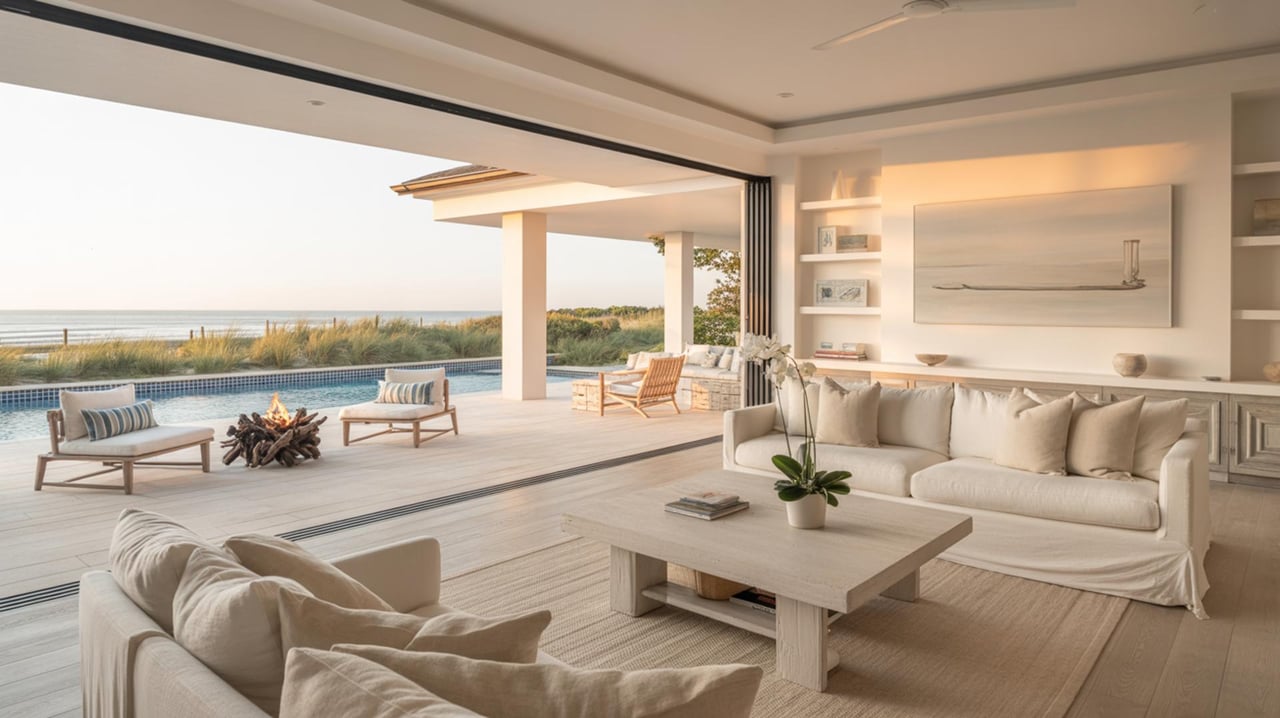
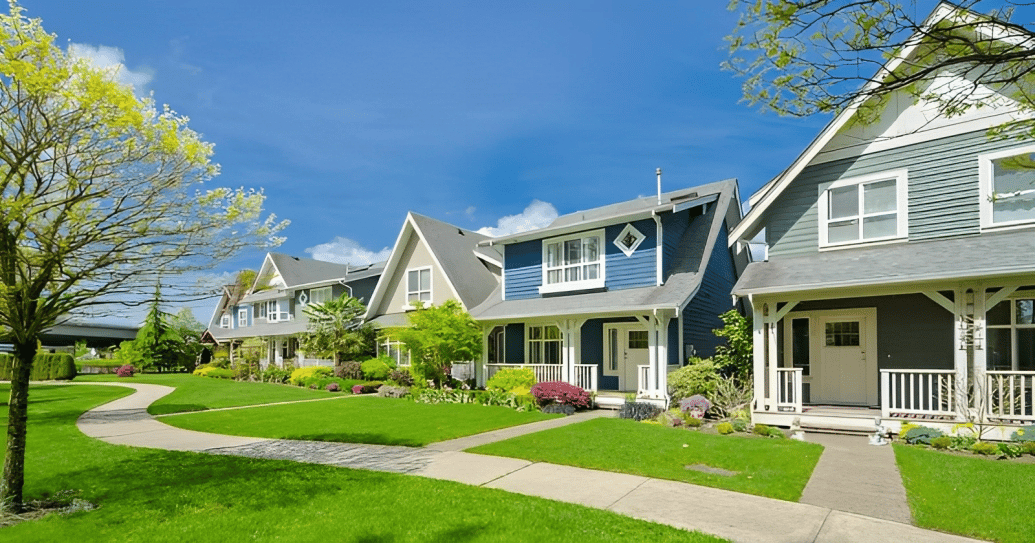
Nearby newer communities offer a very different rhythm. In Nocatee and SilverLeaf, the focus is less on a historic downtown grid and more on internal amenities, newer homes, and neighborhood convenience. These communities are designed around how many buyers live today, with room for cars, storage, flexible spaces, and outdoor living.
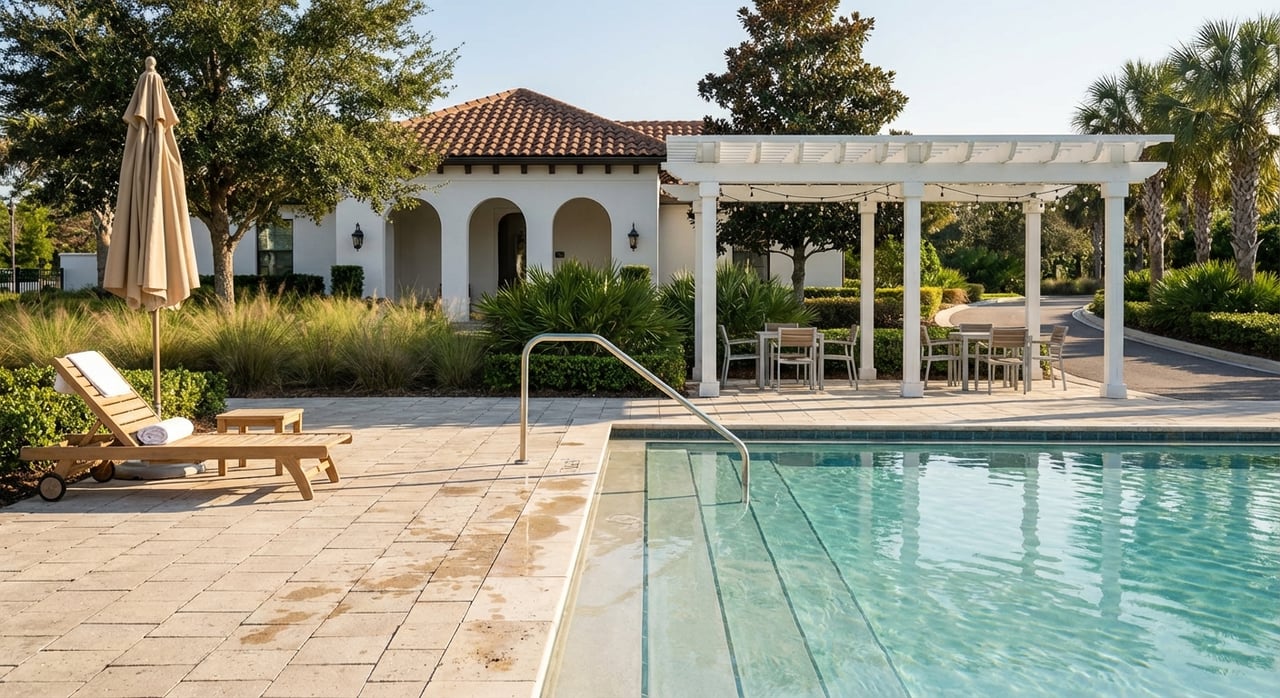
Nocatee highlights access to its town center by walking, biking, driving, or electric vehicle. Its lifestyle materials also emphasize parks, pools, trails, shopping, healthcare, and resident events. That points to a more self-contained daily experience where many routines happen within the community itself.
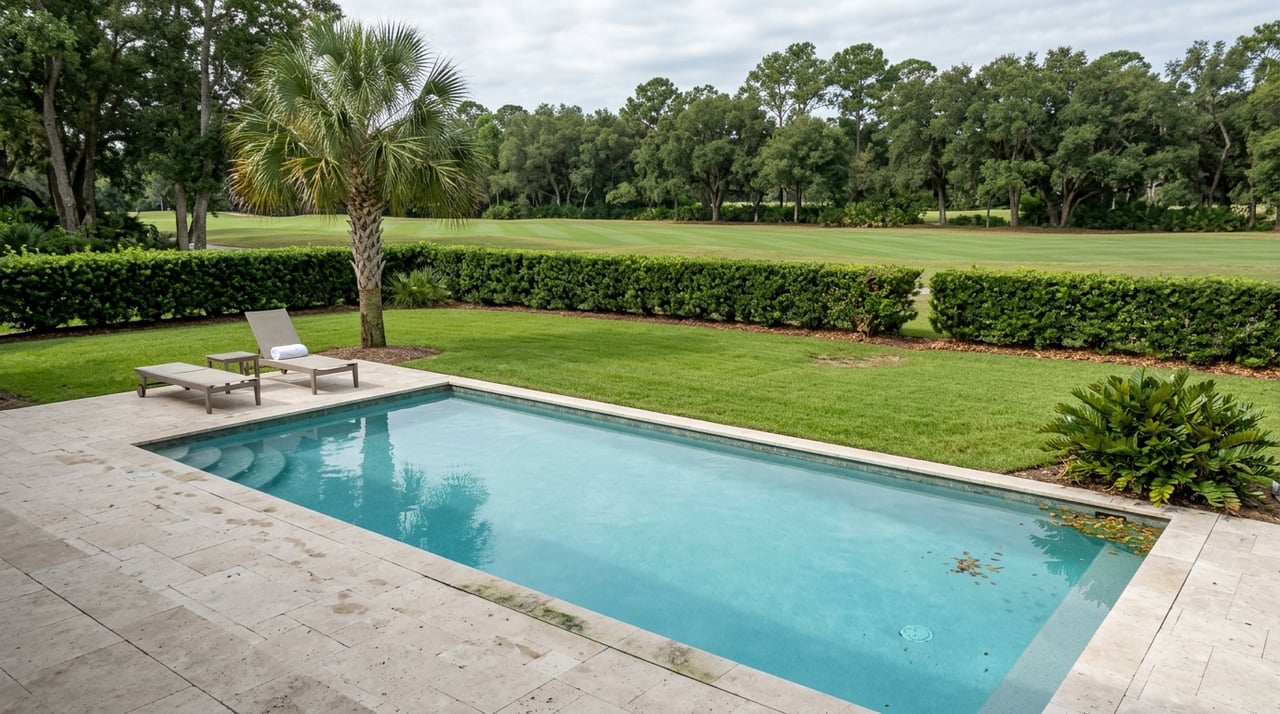
SilverLeaf presents a similar appeal in a different setting. The community highlights neighborhood parks, more than 50 miles of sidewalks and cart paths, and a golf-cart-friendly route to a resort-style amenity center with pools and courts. If you like the idea of built-in recreation and easy neighborhood movement, that is a meaningful contrast to downtown St. Augustine.
Newer homes often support modern routines
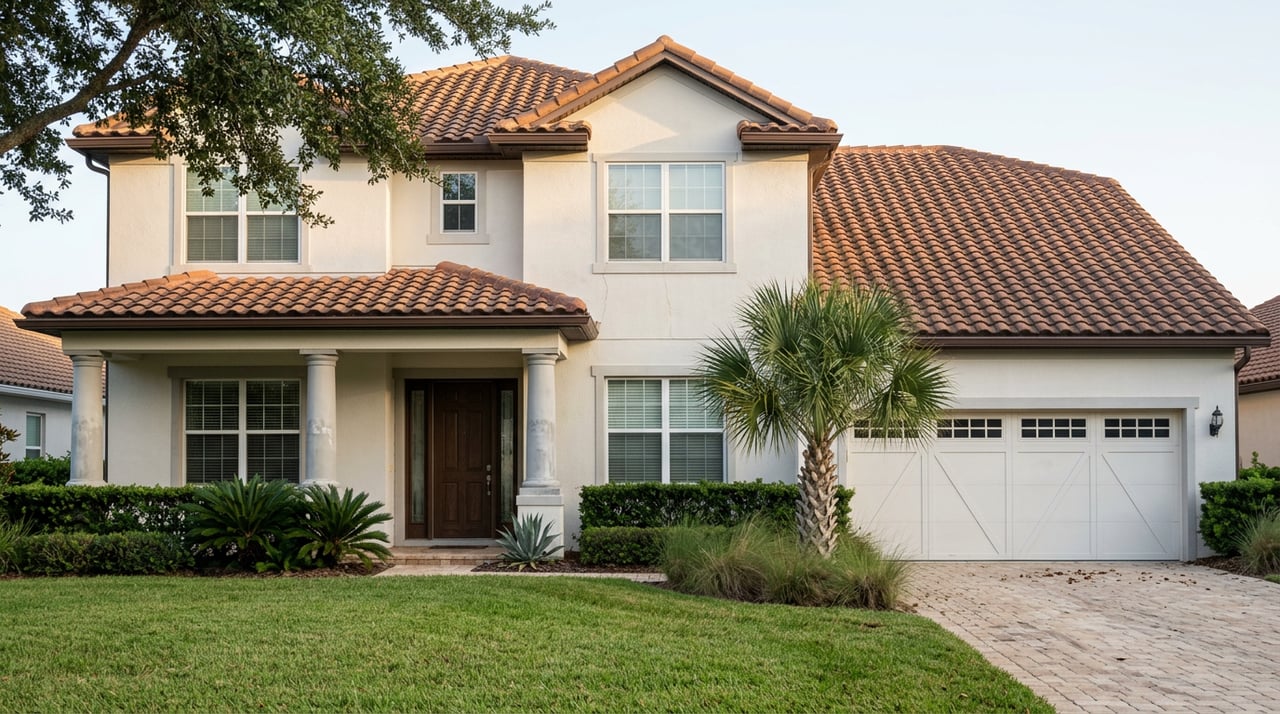
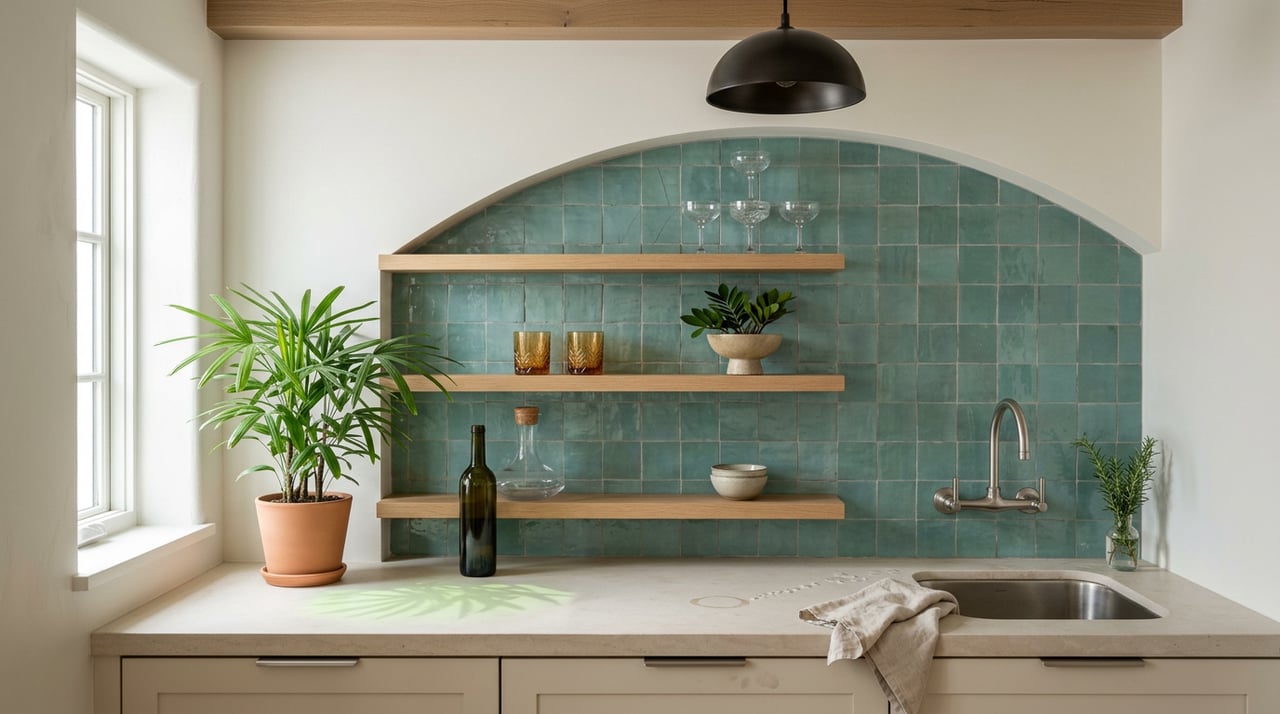
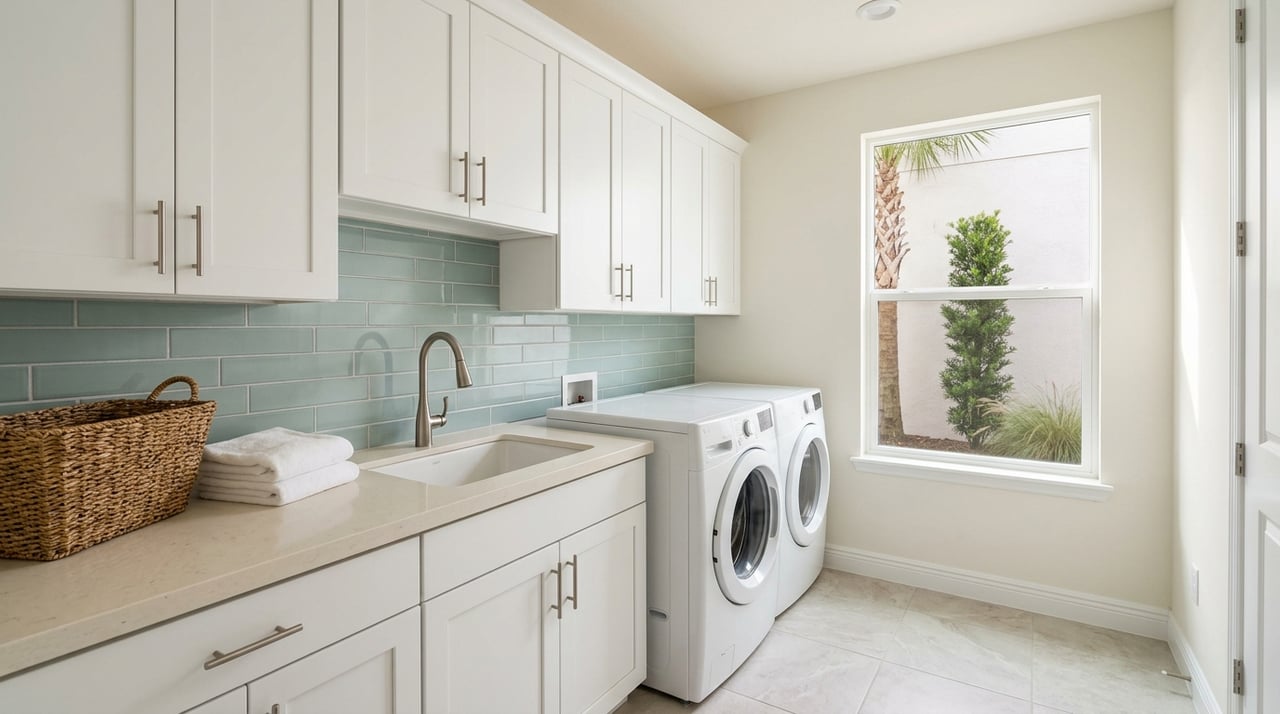
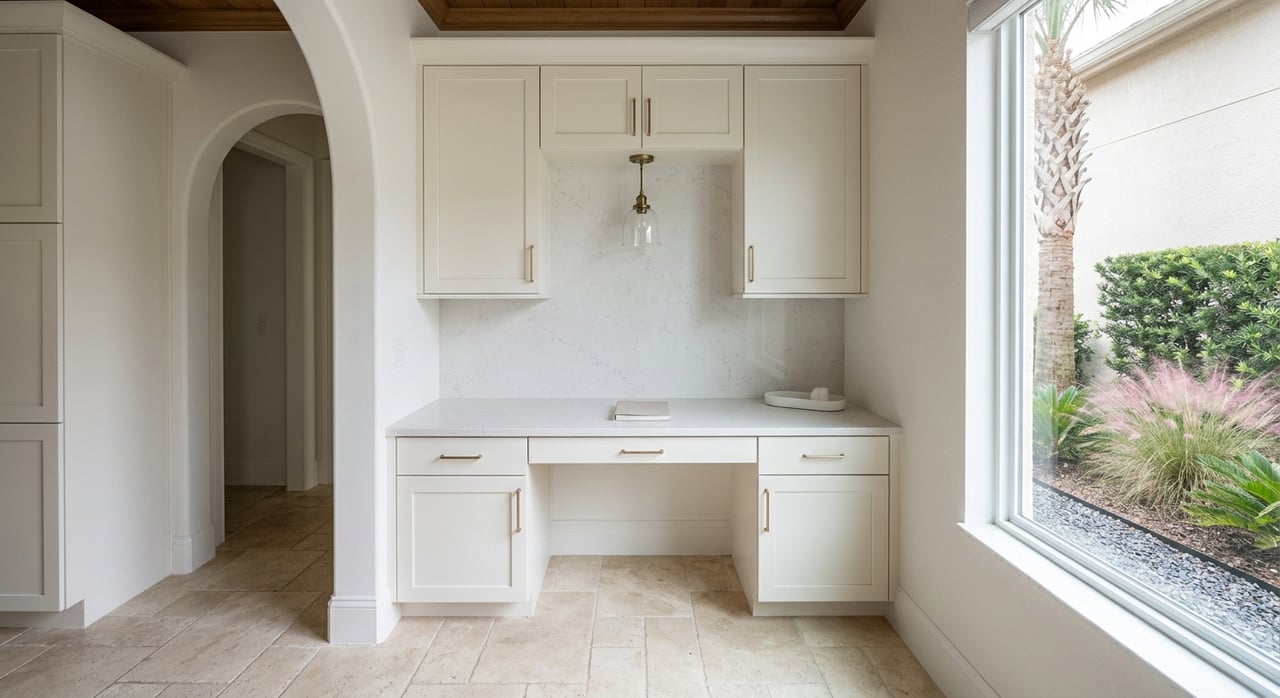
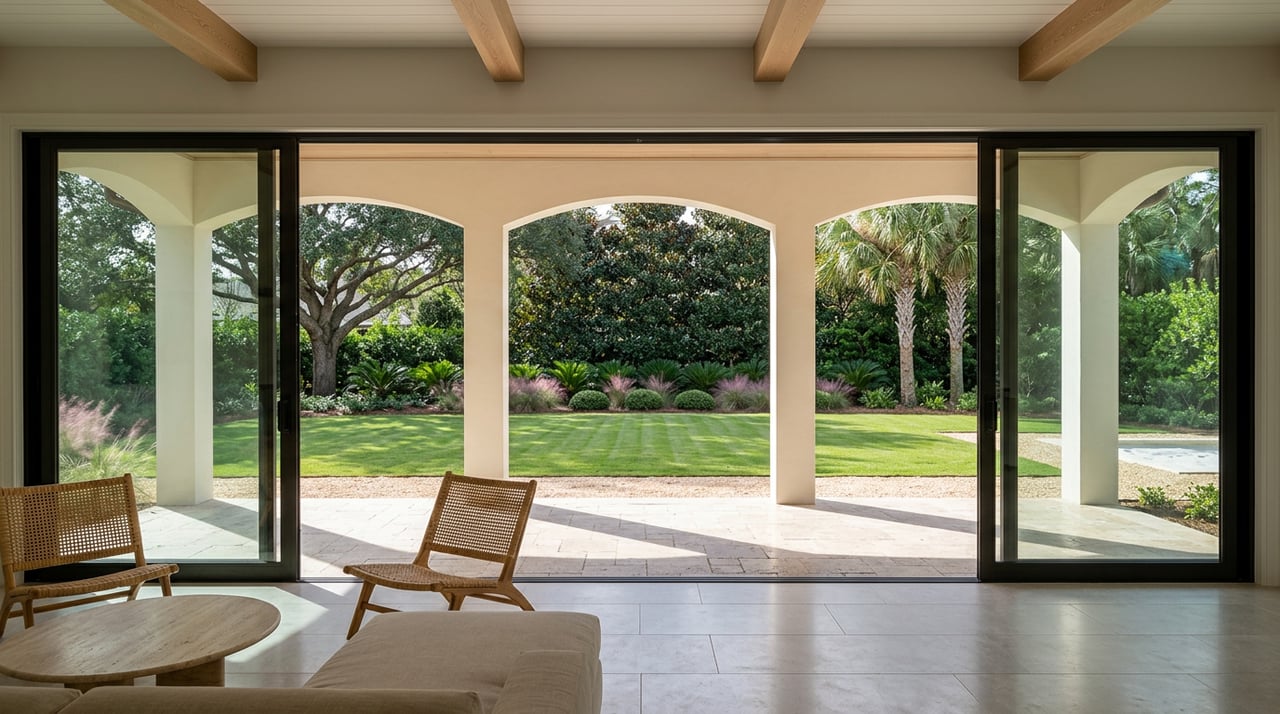
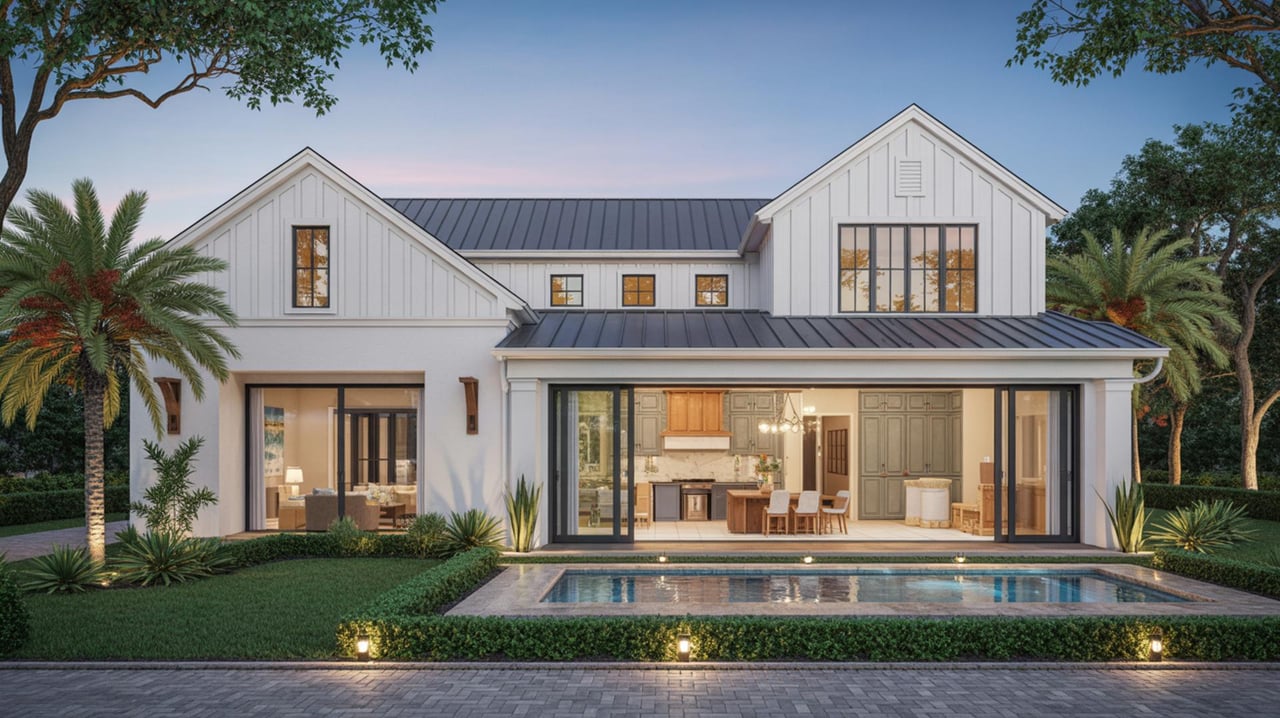
Another major draw is layout. Nocatee’s townhome and villa offerings are described with features like smart home designs, multi-functional spaces, outdoor living areas, storage, and garage space. Those details matter if you want a home that feels ready for remote work, guests, hobbies, or simplified daily logistics.
Some neighborhoods are also marketed as low-maintenance. In certain Nocatee townhome and villa options, exterior maintenance is often included, and some offerings require little to no exterior or yard maintenance. That can appeal to buyers who want a lock-and-leave option or simply want fewer ongoing chores.
Parking and access matter more than buyers expect
One of the clearest lifestyle differences between these options is parking. In downtown St. Augustine, parking is limited and in high demand. The city notes metered lots and on-street spaces, four-hour limits, a 1,200-space parking garage by the Visitor Information Center, and resident-only parking on some streets.
That does not mean downtown living is a bad fit. It just means parking usually requires more planning. If you are comfortable with that trade-off in exchange for walkability and historic surroundings, it may not feel like a burden.
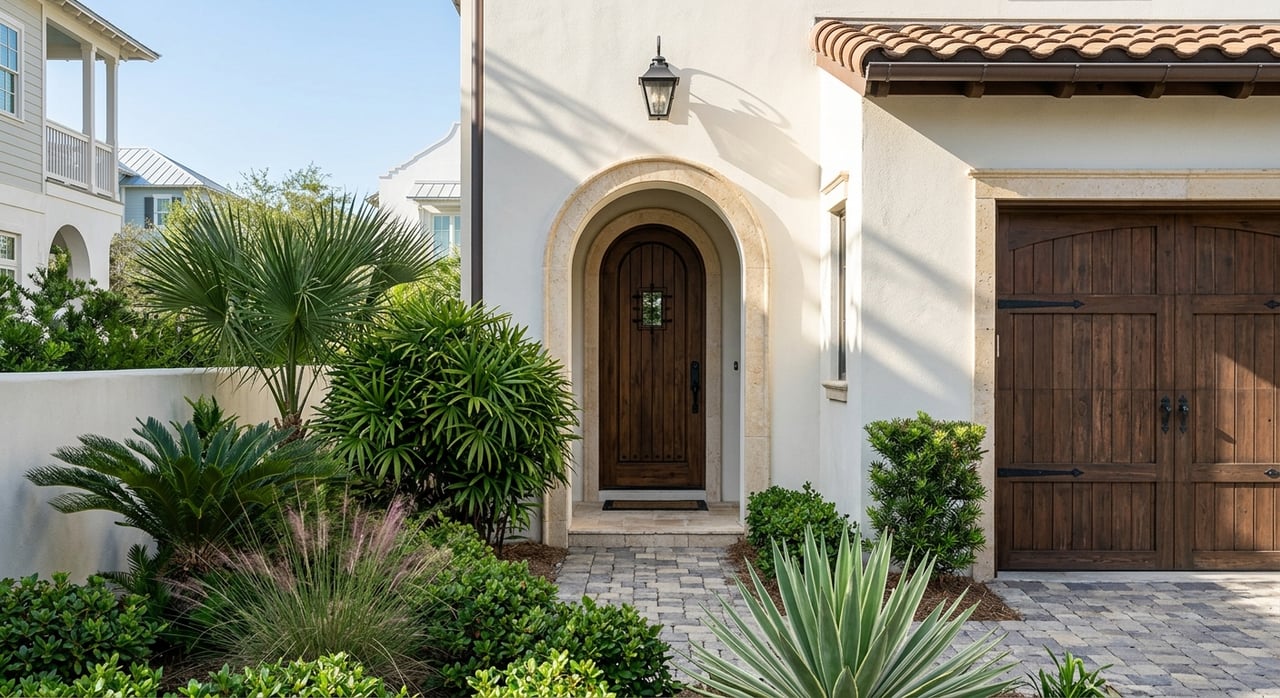
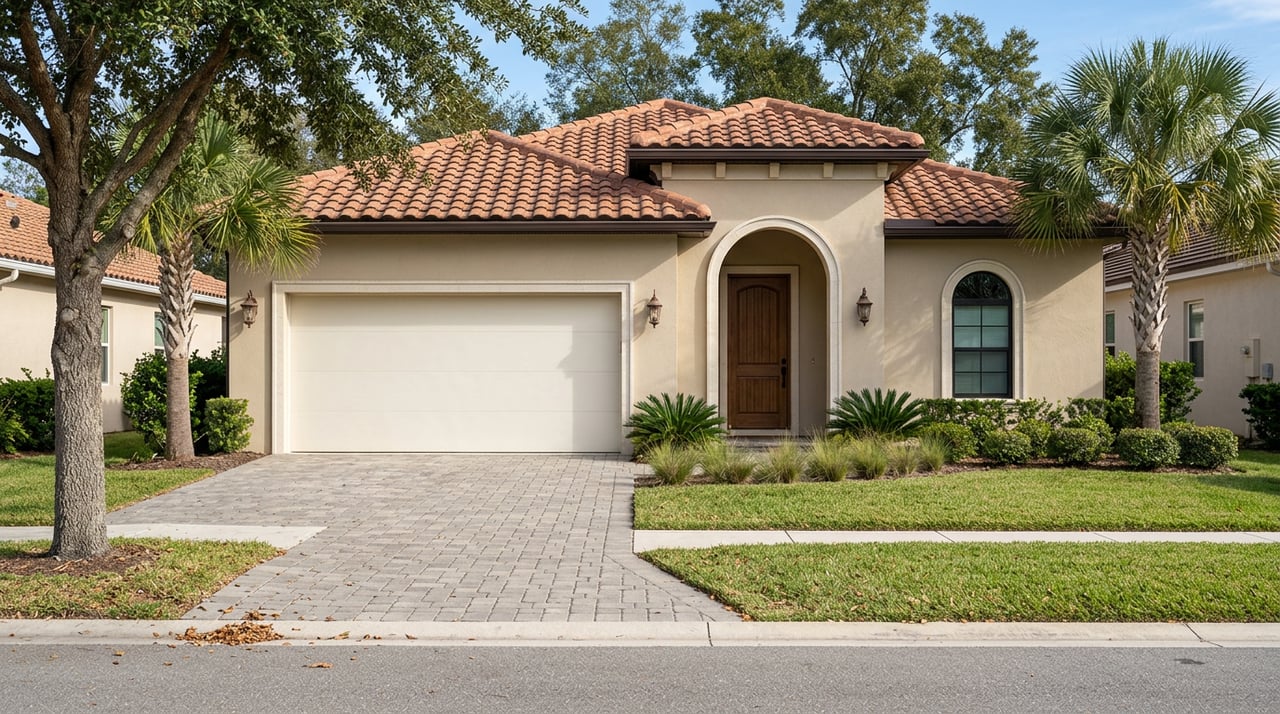
In newer communities, parking tends to be simpler and more integrated into the home itself. Garages, neighborhood streets, and internal paths change the day-to-day experience. Instead of thinking about curb space or event congestion, you are more likely to focus on access to amenities, trails, and neighborhood centers.
Maintenance expectations are very different
Maintenance is another point where buyers often gain clarity. A historic home may require a more hands-on mindset, especially if you want to preserve original details or make repairs in keeping with the property’s character. Combined with local preservation review, that can make ownership feel more involved.
A newer home often offers a more standardized maintenance routine. If exterior upkeep is limited or included in certain neighborhoods, ownership can feel more predictable. That is especially helpful if you travel often, want a second home with fewer demands, or prefer a simpler long-term care plan.
Which choice fits your lifestyle?
The right answer depends on what matters most to you. Neither option is automatically better. The best fit is the one that supports your everyday life, your comfort level with upkeep, and your long-term plans for the property.
Here is a simple way to think about it:
Historic St. Augustine may fit you if:
- You want a walkable downtown lifestyle
- You value architectural character and a distinctive streetscape
- You enjoy being close to museums, restaurants, and landmark areas
- You are comfortable with more parking planning
- You understand that exterior changes may require preservation review
A newer community may fit you if:
- You want a newer floor plan and garage space
- You prefer neighborhood amenities like parks, pools, and trails
- You like the ease of internal driving, walking, biking, or golf-cart use
- You want a more predictable maintenance routine
- You prefer a home designed around modern storage and flexible living spaces
A practical way to decide
If you are torn, try focusing on your weekly routine instead of your idealized picture of home. Think about how often you want to walk to destinations, how much parking convenience matters, and whether you enjoy managing home projects or prefer a lower-maintenance setup. Those daily habits usually point you toward the right answer faster than style alone.
It also helps to think ahead. If you expect to renovate, personalize exterior features, or make major changes over time, the review process in a historic district should be part of your buying decision from the start. If you want a more straightforward ownership experience, a newer planned community may give you more ease.
In the St. Augustine area, both paths can be rewarding. Historic homes offer immersion, character, and a one-of-a-kind setting. Newer communities offer convenience, amenities, and layouts built for how many buyers live now.
When you are ready to compare neighborhoods, home styles, and ownership trade-offs across St. Augustine, Nocatee, and northern St. Johns County, Claudia Hilbert can help you narrow the options and find the right fit for your lifestyle.
FAQs
What is the main difference between historic St. Augustine and newer communities for homebuyers?
- Historic St. Augustine centers on walkability, architectural character, and preservation rules, while newer communities like Nocatee and SilverLeaf emphasize modern homes, neighborhood amenities, and easier day-to-day parking and circulation.
What should buyers know about historic home changes in St. Augustine?
- In Historic Preservation Zoning districts, exterior alterations or demolition may require Historic Architectural Review Board approval, so future updates can involve more review and planning.
What is parking like in downtown St. Augustine for homeowners?
- The city says downtown parking is limited and in demand, with metered spaces, time limits, a public parking garage, and some resident-only streets, so daily parking often takes more planning than in newer communities.
Why do some buyers prefer newer communities near St. Augustine?
- Many buyers like newer communities for modern floor plans, garage space, trails, parks, amenity centers, and in some neighborhoods, lower-maintenance living with limited exterior upkeep.
Is historic St. Augustine a good fit if you want a walkable lifestyle?
- Yes. The city describes downtown as extremely walkable, with sidewalks on most streets and the free STAR Circulator bus connecting key stops.
Are newer communities in St. Johns County more convenient for low-maintenance living?
- In some cases, yes. Research on Nocatee notes that certain townhome and villa neighborhoods include exterior maintenance or require very little upkeep, which can support a more lock-and-leave lifestyle.