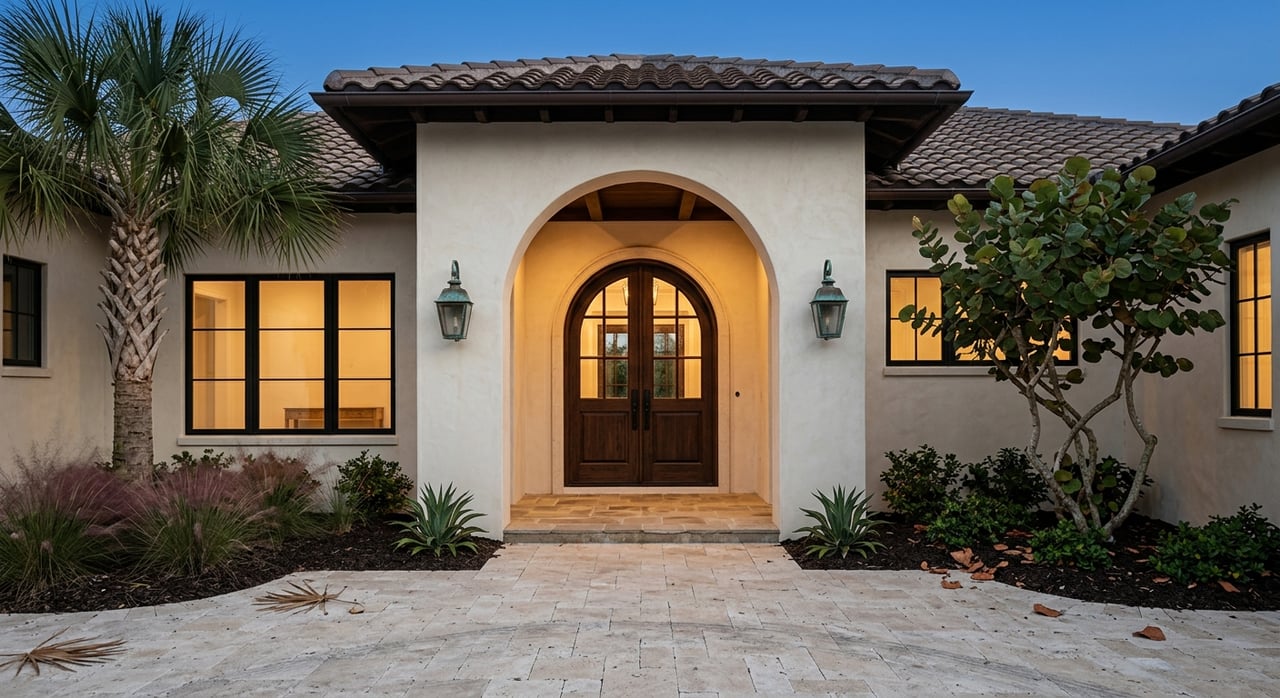
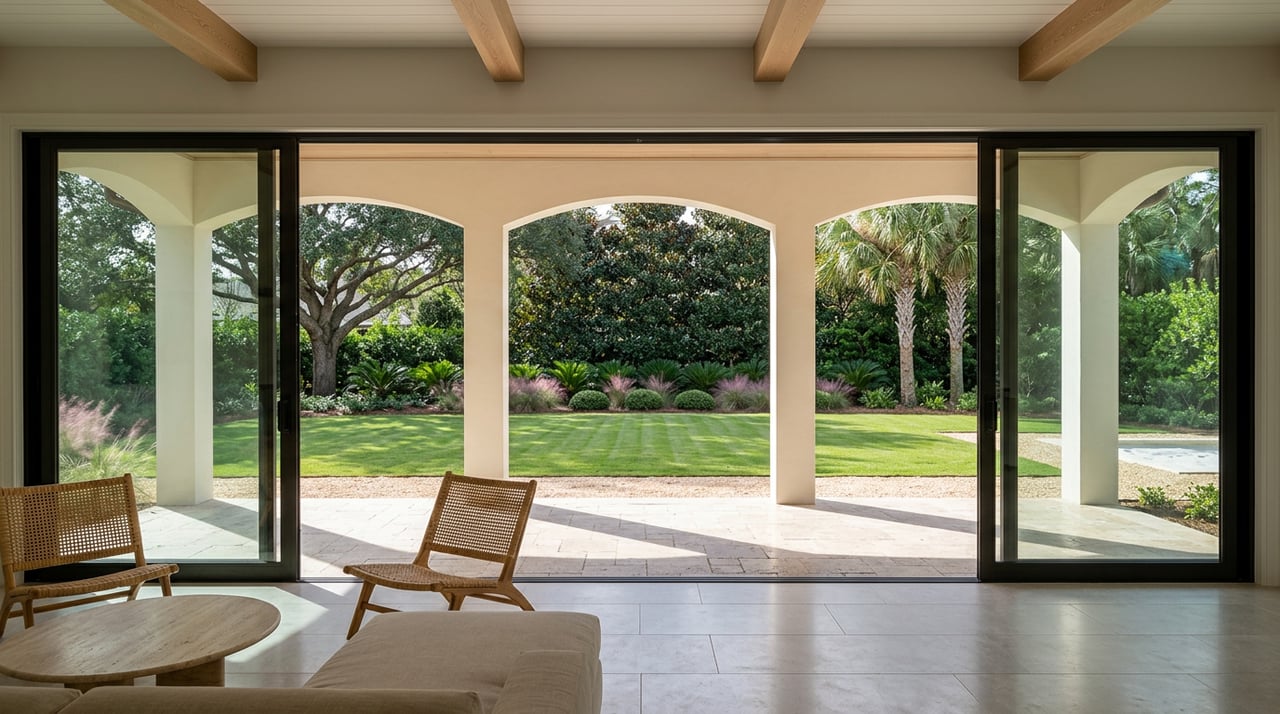
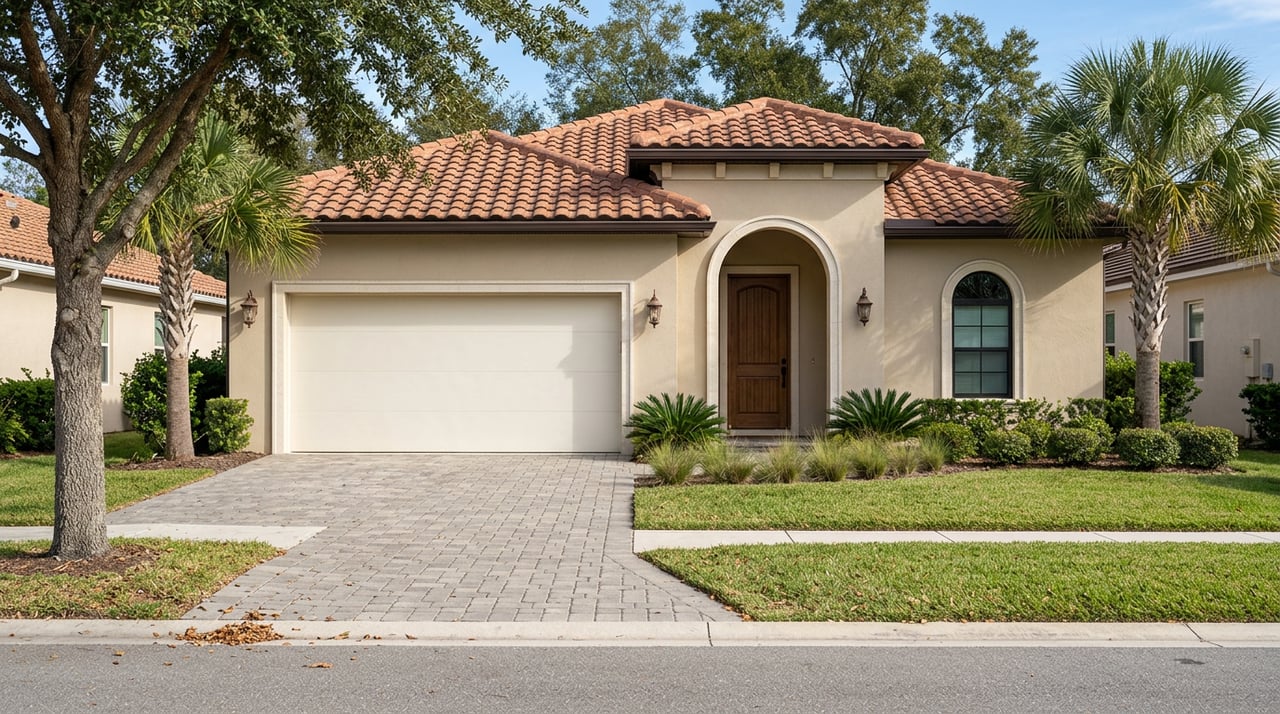
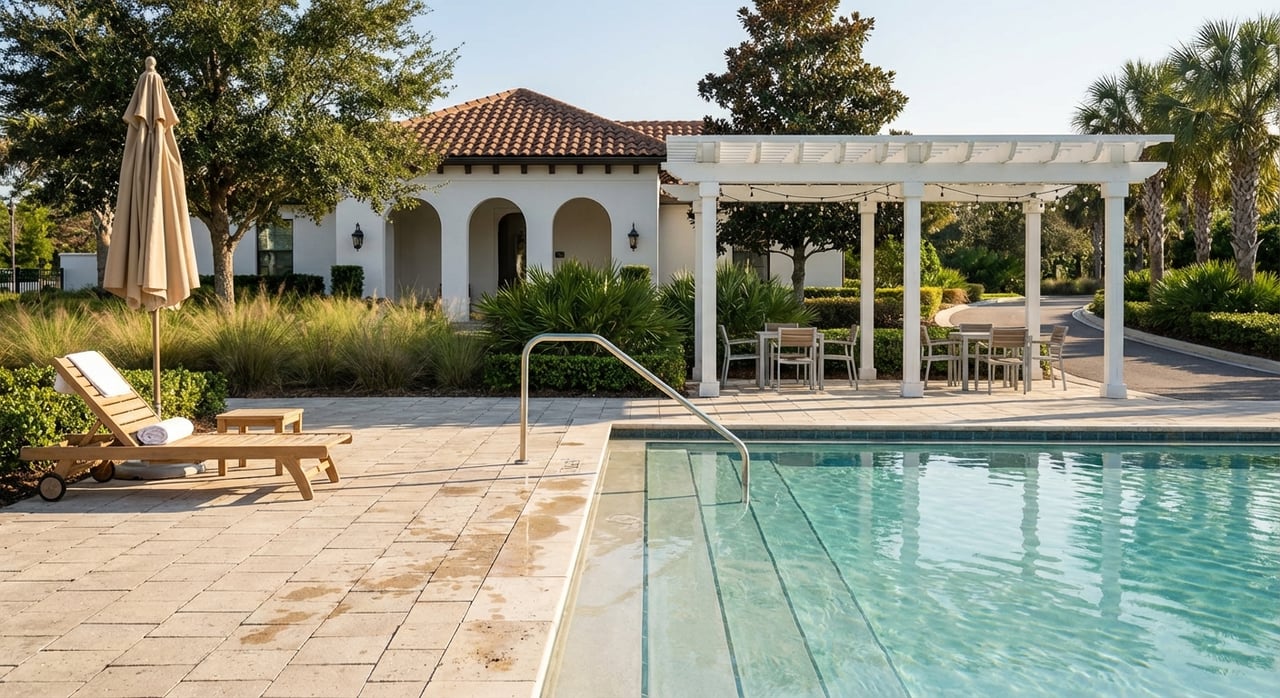
Trying to decide between a brand-new build and a resale in St. Johns? It is a big choice, and the details matter to your budget, timing, and peace of mind. Whether you are relocating or moving across town, you want the right mix of cost, convenience, and future value. This guide breaks down total cost, timelines, warranties, HOA and CDD fees, and negotiation dynamics so you can choose with confidence. Let’s dive in.
New vs. resale in St. Johns
St. Johns County is growing fast, with master-planned communities, HOAs, and many neighborhoods that use Community Development Districts, or CDDs. That growth shapes your options. New construction can offer modern systems and energy efficiency, while resales can provide mature landscaping and faster move-ins. Your best choice depends on timeline, customization needs, and the true all-in monthly cost.
If you are considering new construction, expect local permitting and inspections to influence build times. You can review permitting and inspection steps through the St. Johns County Building Division. For resale, the standard contract-to-close timeline is typically quicker and more predictable.
Total cost: beyond the sticker price
Base price and deal dynamics
New construction usually carries a higher base price per square foot than a comparable resale. Builders price in new materials, modern floor plans, and their margins. Resale homes can present value if a seller is motivated or if cosmetic updates are needed. In a hot market, resales can also command strong pricing.
Lot premiums and upgrades
With new builds, your final price often rises with lot selection and options. Premiums for corner, cul-de-sac, or water-view lots are common and sometimes firm. Upgrades such as flooring, cabinets, appliances, and structural changes can add tens of thousands to the base price. Ask the builder for a clear inclusions list and typical upgrade pricing, then set a realistic allowance for your finish level.
HOA, CDD, and taxes
Many St. Johns communities include both HOA dues and CDD assessments. CDDs fund community infrastructure and appear as special assessments on your tax bill. Always request the CDD disclosure and HOA budget early in the process, and roll those into your monthly affordability plan.
Property taxes depend on assessed value and exemptions. You can review parcel data and homestead exemption guidance through the St. Johns County Property Appraiser. Newer homes often have higher assessed values due to size and features, though initial assessments can phase in as improvements are recorded.
Insurance and energy use
Newer homes built to current Florida code tend to include wind mitigation and modern roofing, which can help with insurance pricing. Older resales may have higher premiums unless updated. For statewide consumer guidance, visit the Florida Office of Insurance Regulation. New construction often delivers energy savings with modern HVAC, insulation, windows, and appliances. Ask for any available energy ratings or a HERS score to compare.
Timelines and the buying process
How long to move
If you need to move in 30 to 60 days, resale or builder inventory/spec homes are typically your fastest path. Ground-up builds can take several months to more than a year, depending on product type, permitting, inspections, and supply availability. Plan for possible delays tied to county approvals and materials. You can follow local inspection requirements with the St. Johns County Building Division.
Financing choices
Resale purchases commonly use conventional, FHA, VA, or USDA loans. Appraisals focus on comparable sales and condition. For new construction, you might use a standard mortgage on a completed spec home, a construction-to-permanent single-close loan, or a stand-alone construction loan that refinances at completion. Review consumer guidance on construction loans from the Consumer Financial Protection Bureau. Builders sometimes offer incentives for using a preferred lender, so compare those offers with independent quotes.
Inspections and protections
For resale, order a full home inspection along with specialized inspections as needed. For new construction, schedule independent third-party inspections at key milestones like pre-drywall and final walk. Builder contracts often favor the builder and may include mandatory arbitration, limited contingencies, and defined remedy periods. Ask an attorney to review contract terms when appropriate, and confirm the Certificate of Occupancy process with the county before closing.
Warranties and post-close support
Most builders follow a version of the industry’s 1-2-10 framework: one year for general workmanship and materials, two years for major systems, and a longer structural warranty for load-bearing elements. Coverage varies by builder and is contract-specific. Warranty claims typically follow the builder’s process. Resales may offer a third-party home warranty, but coverage is not the same as a new-home warranty.
Negotiations and future resale value
Where the leverage is
You can often negotiate more on price, repairs, and credits with resale homes, especially if the property has been on the market. For new construction, base prices and lot premiums are sometimes firm, but builders may offer meaningful incentives like closing-cost credits, interest-rate buydowns, or free upgrades. Timing flexibility can also be negotiable depending on market conditions.
Typical concessions
- New construction: rate buydowns, closing-cost credits, upgraded appliances, landscaping, or HOA initiation fee credits.
- Resale: price reductions, repair credits, seller-paid points, or a one-year home warranty.
Appraisals and upgrades
Appraisals on new homes depend on comparable sales nearby. In a newer phase with limited comps, appraisers may rely on nearby resales. Some lot premiums and high-end upgrades may not be recognized fully if comps do not reflect similar features. That gap can affect financing, so set expectations early and discuss strategies with your lender and agent.
Resale value in St. Johns
Long-term value depends on location within the county, commute routes, lot position, build quality, and community amenities. Newer homes often appeal to future buyers thanks to modern plans and efficient systems. Established neighborhoods may offer mature trees, larger yards, and distinct lot placements that are also attractive. Liquidity varies: inventory homes in popular master-planned communities can turn quickly, while unique custom homes may take longer to find the right buyer.
A simple decision framework
Quick guide
- Need to move within 2 months? Favor resale or a builder’s quick-move-in home.
- Want specific lot features or a certain micro-location? If inventory does not match and your timeline is flexible, a new build may fit.
- Prioritize customization and modern systems and accept timeline risk? Choose new construction.
- Want predictable near-term costs and less risk of build delays? Consider resale, but verify upcoming capital items like roof or HVAC.
Your action checklist
- Get pre-approved and decide on financing, including whether you need a construction-to-permanent loan.
- Request the CDD disclosure, HOA budget, and CC&Rs early for any community you are considering.
- Ask builders for base inclusions and typical upgrade pricing, then estimate your true move-in cost.
- Order inspections: full home inspection for resale; milestone inspections for new builds.
- Verify builder licensing and any complaint history with the Florida Department of Business and Professional Regulation, and review warranty and dispute terms in writing.
- Get insurance quotes for both scenarios. Use consumer guidance from the Florida Office of Insurance Regulation to understand factors that affect premiums.
- Confirm estimated taxes and homestead eligibility with the St. Johns County Property Appraiser.
- Compare total monthly outlays side by side: mortgage, CDD, HOA, taxes, insurance, and utilities.
- Align your negotiation asks: focus on incentives and rate buydowns for new construction; price and repair credits for resale.
- Plan for schools and daily life. For zoning and enrollment information, review the St. Johns County School District.
Local guidance when it counts
Choosing between new construction and resale in St. Johns is not just about price. It is about timing, contract terms, inspections, insurance, and how CDD and HOA fees shape your monthly budget. A clear plan can save you time and money and keep your move on track.
If you want a tailored comparison for your exact timeline and budget, we are here to help. Let’s map the communities that fit your goals, pressure-test the all-in costs, and align your negotiation strategy. Start a conversation with Claudia Hilbert for concierge-level guidance from offer to closing.
FAQs
What do lot premiums add in St. Johns?
- Lot premiums vary by builder and lot type and can range from a few thousand dollars to much more. Ask for the current lot premium schedule and compare across communities.
How do CDDs affect my monthly payments?
- CDD assessments are common in master-planned communities and appear as special assessments on your tax bill. Include them with HOA dues, taxes, and insurance in your affordability plan.
Can I get a home inspection on a new build?
- Yes. Schedule independent inspections at key milestones like pre-drywall and final. Verify inspection timing with the builder and the county’s inspection process.
Do builder warranties cover everything in a new home?
- No. Most follow a limited 1-2-10 structure that covers finishes, systems, and structural elements for set periods. Read the warranty documents closely and note the claim process.
Will a new home cost less to insure than a resale?
- Often yes, because newer homes meet current Florida building codes and include wind mitigation features. Always get quotes from multiple carriers to compare before you decide.
How long will a new build take in St. Johns?
- Timelines vary. Spec homes often close faster, while ground-up builds range from several months to over a year due to permitting, inspections, and materials. Confirm steps with the county’s Building Division.
Where can I verify a builder’s license in Florida?
- Use the Florida Department of Business and Professional Regulation to confirm licensing and review any complaint history before you sign.