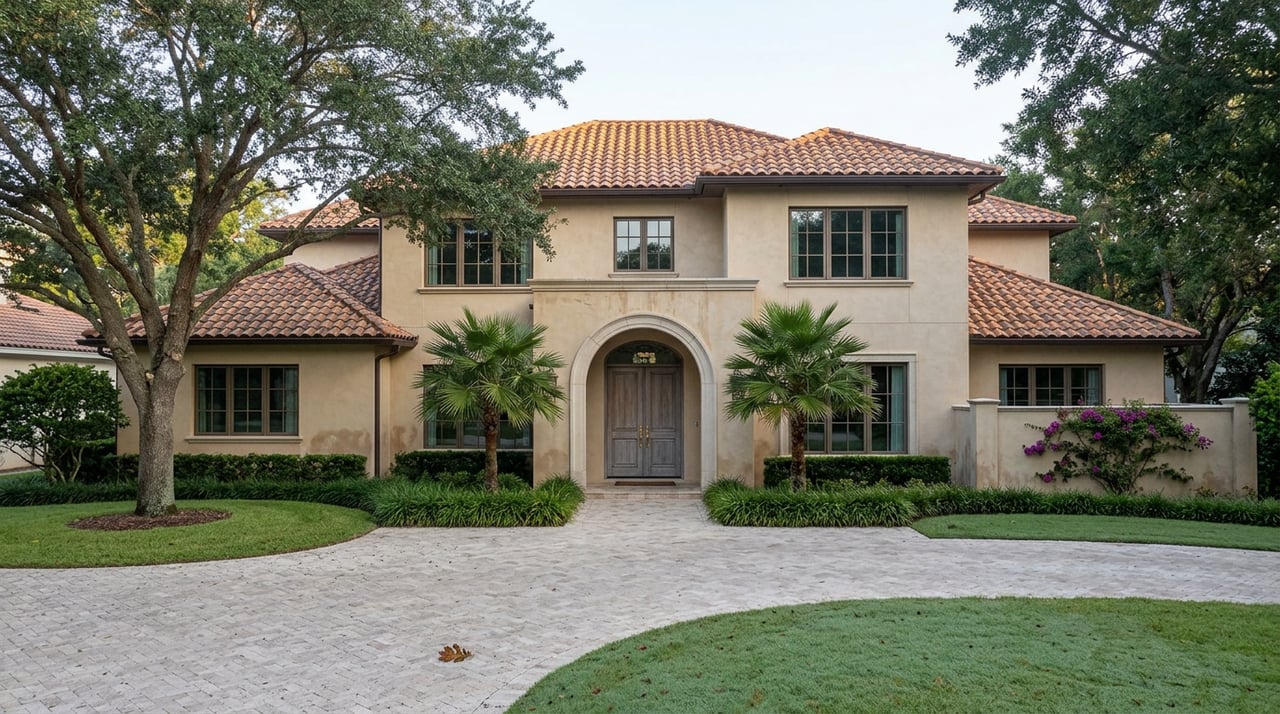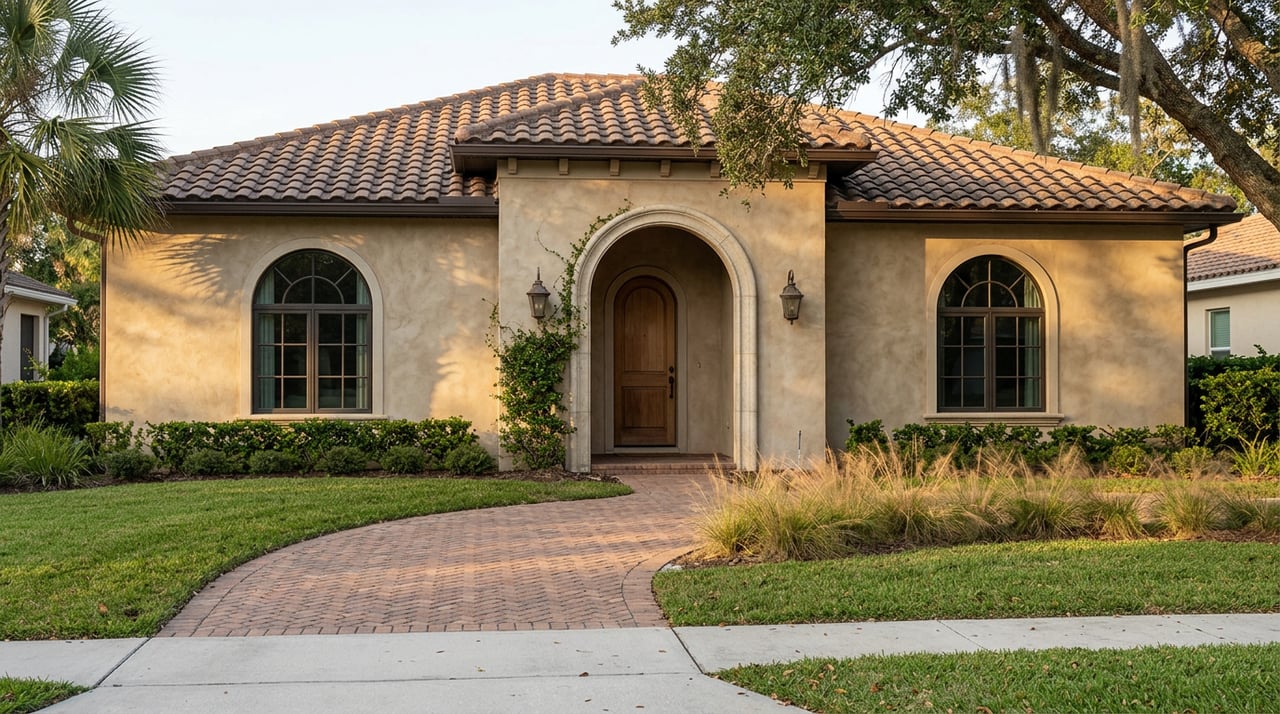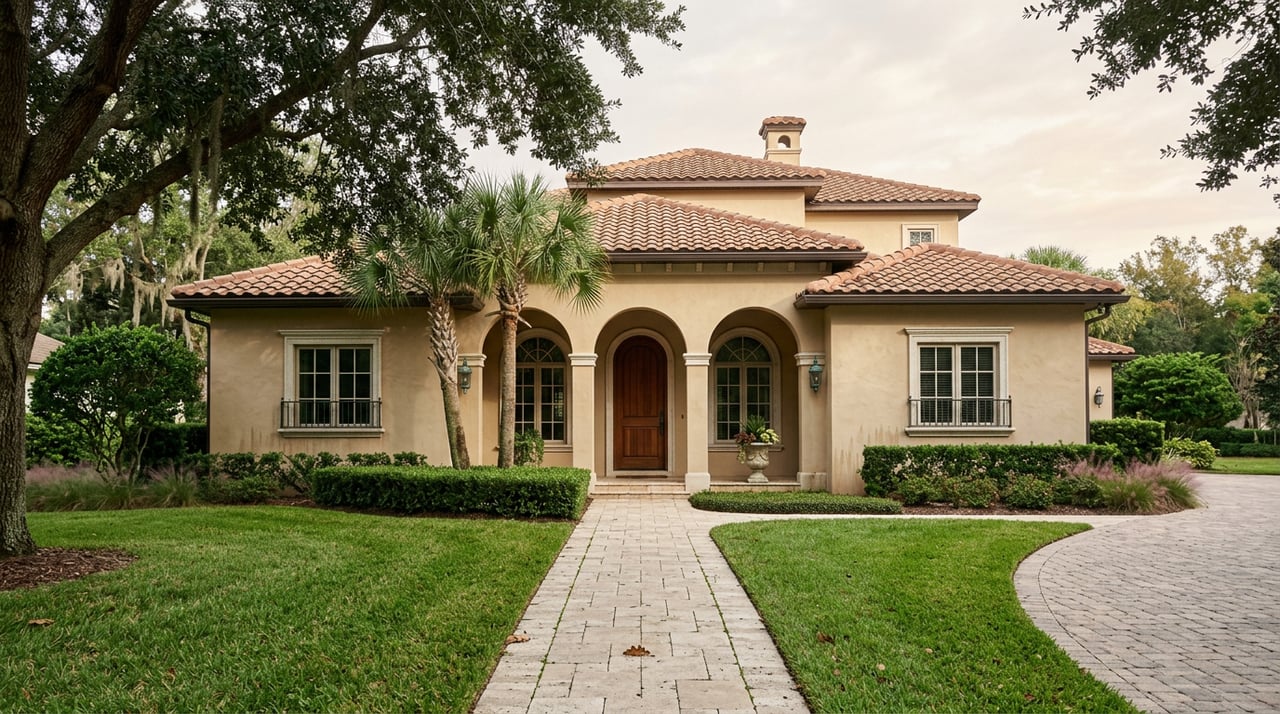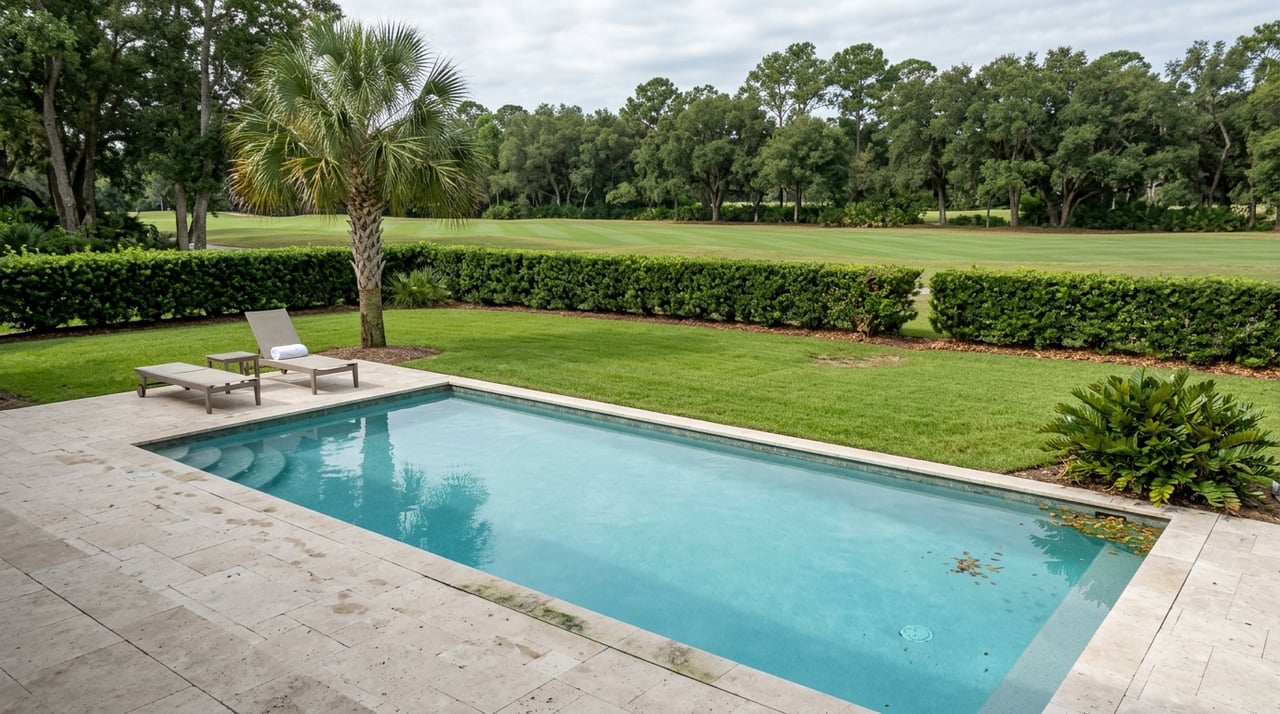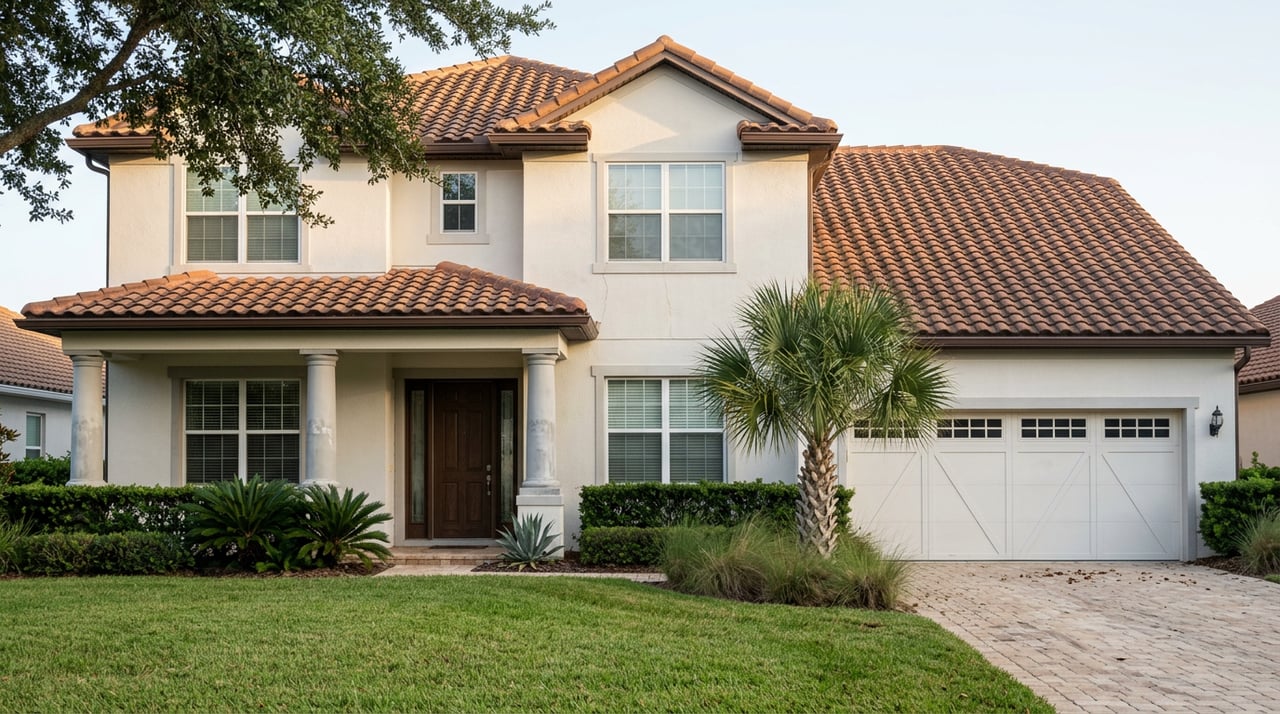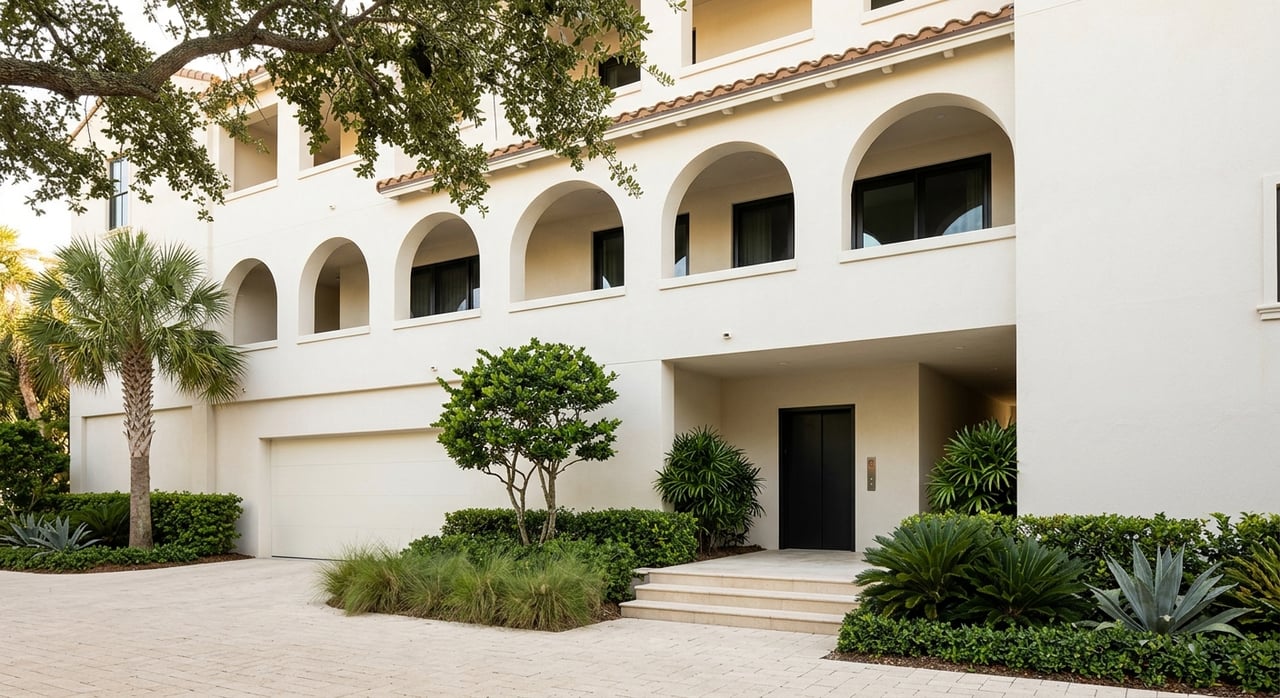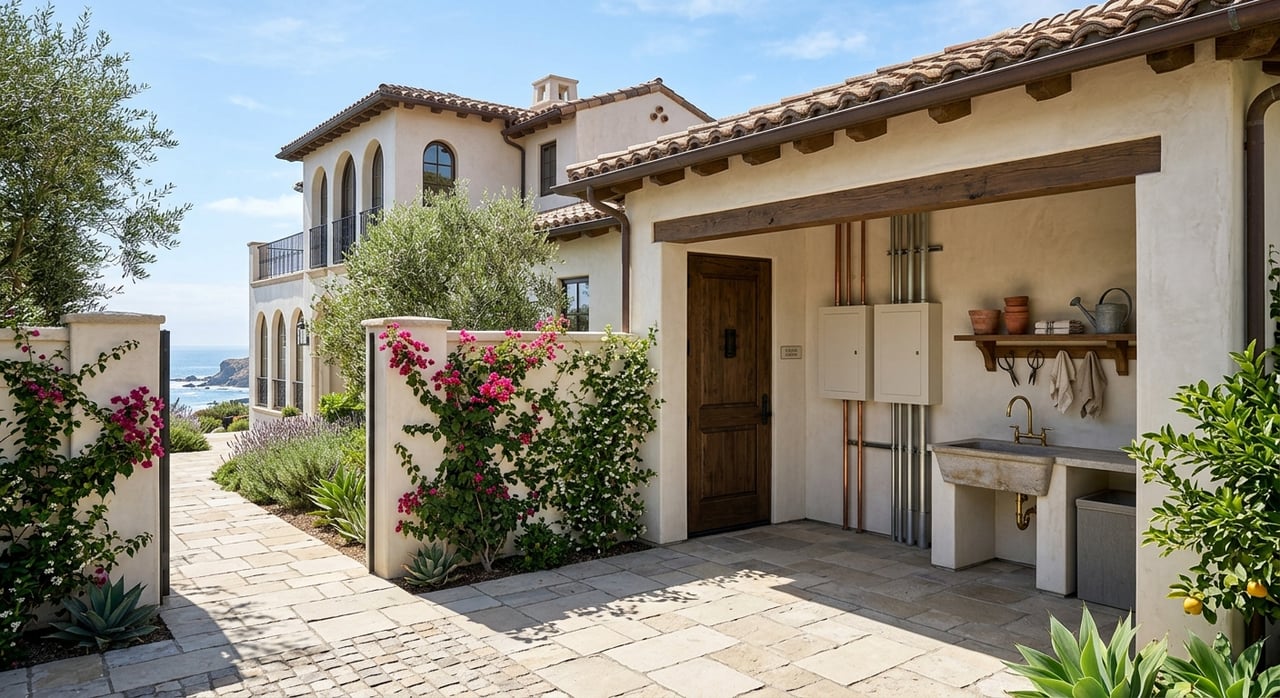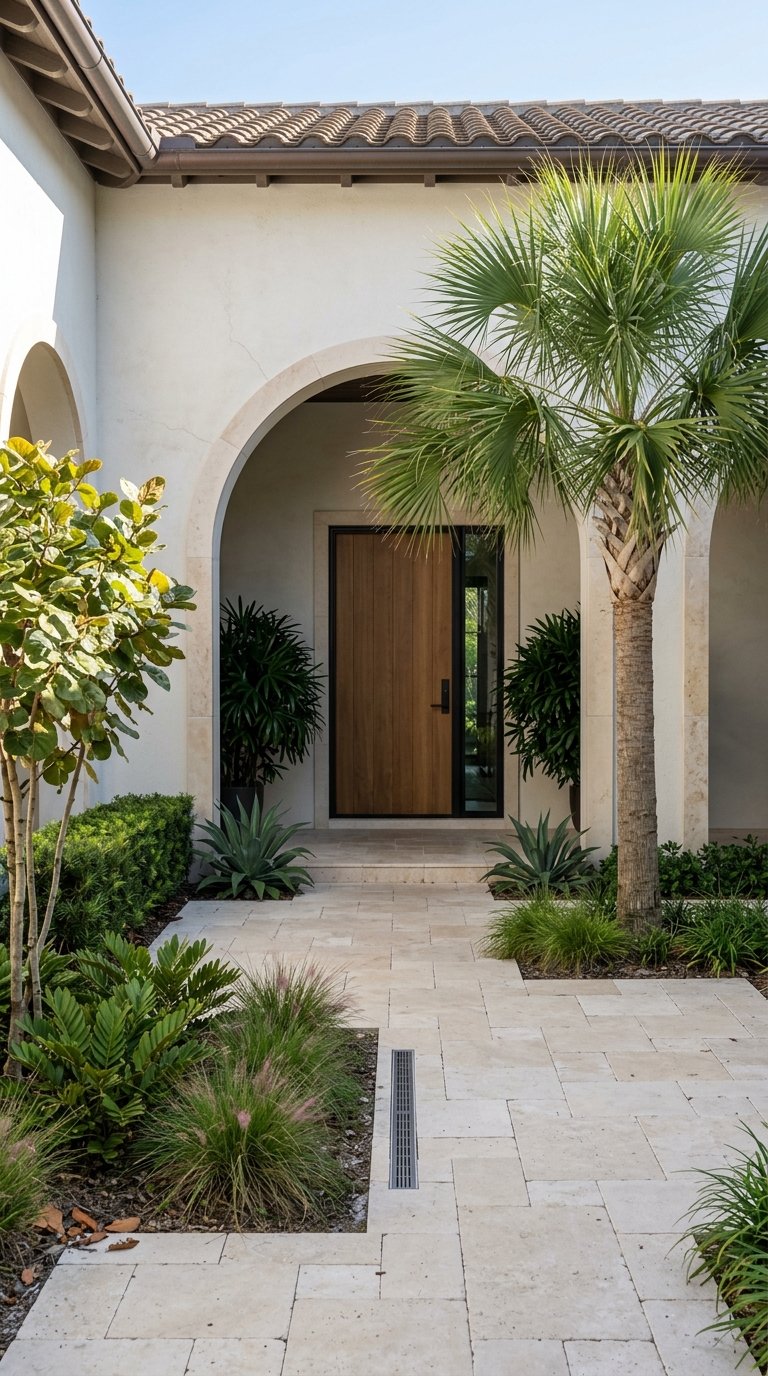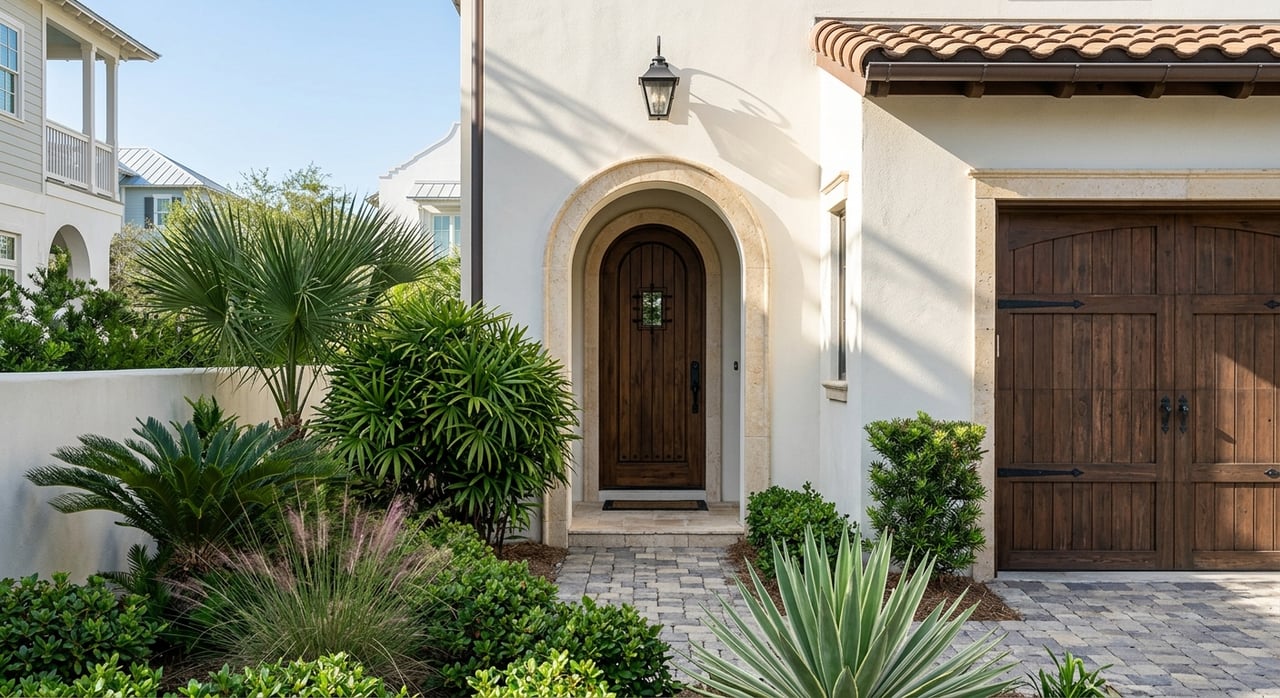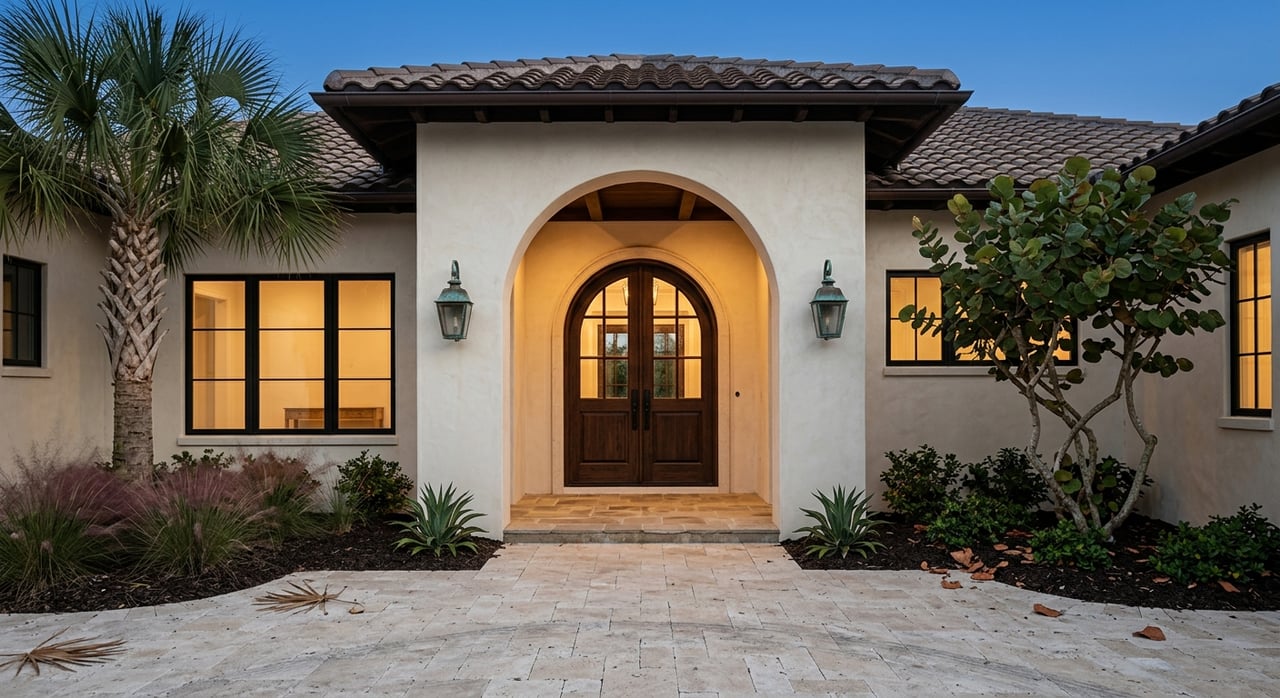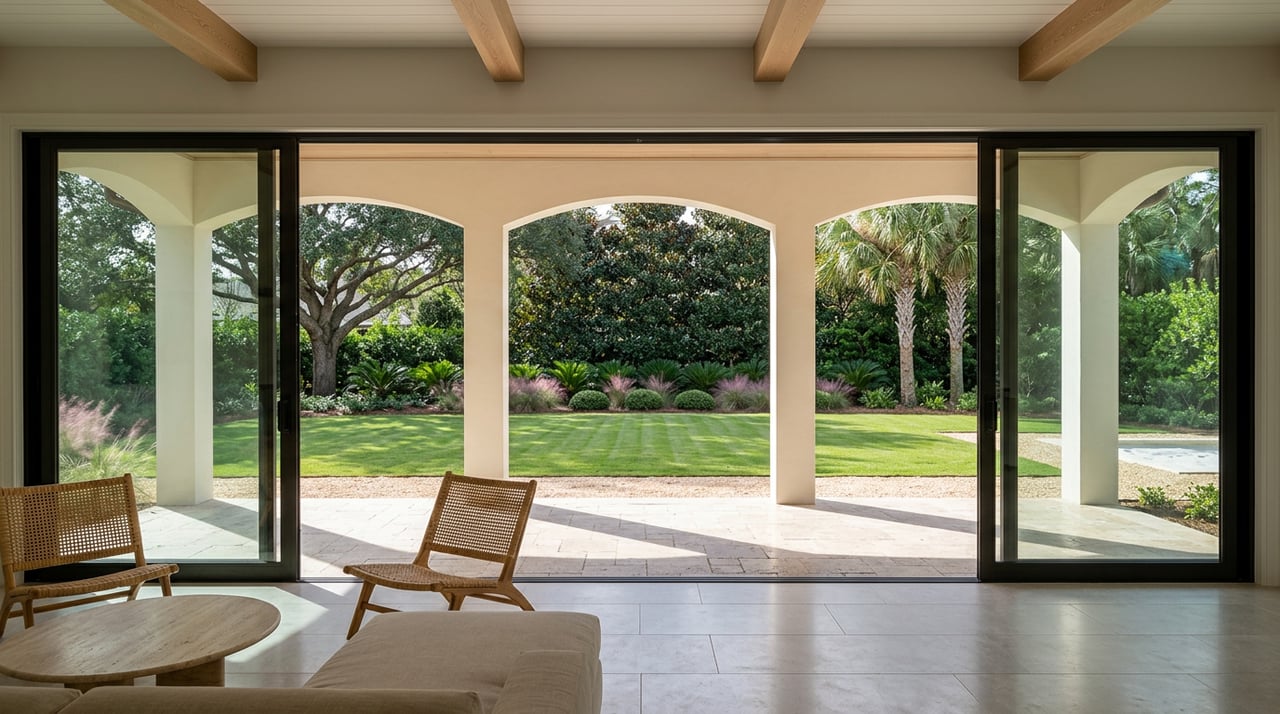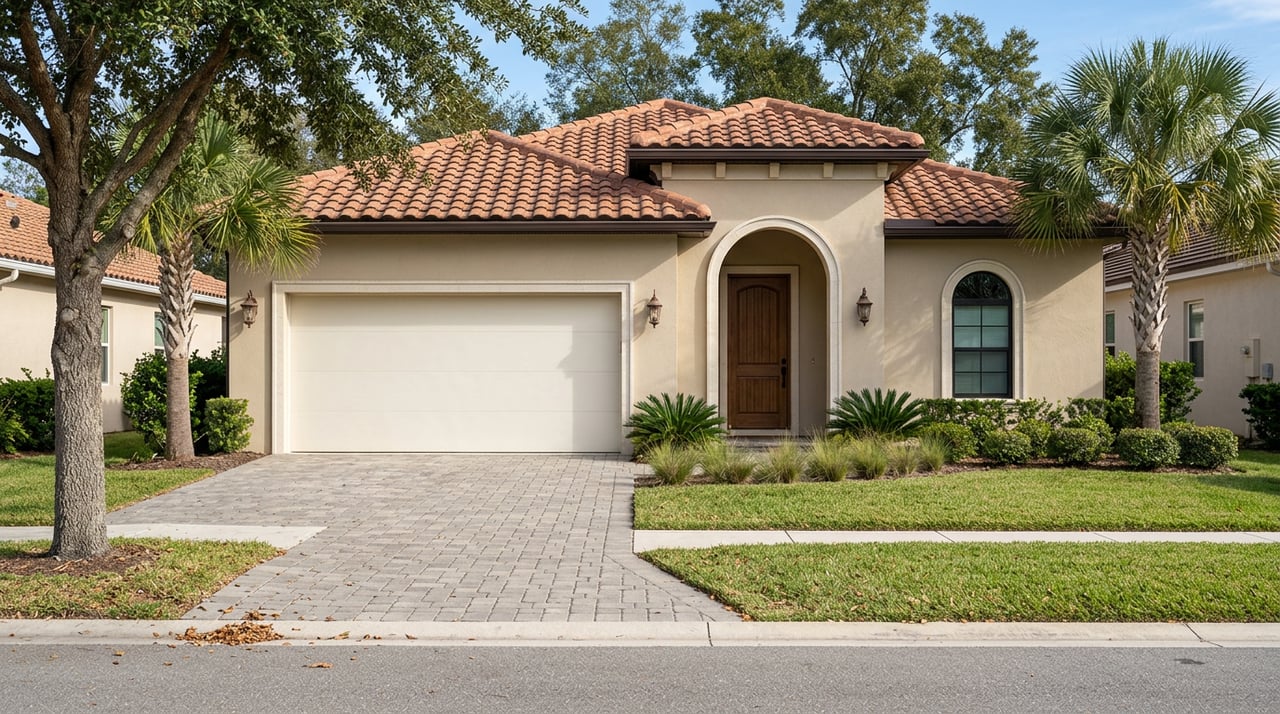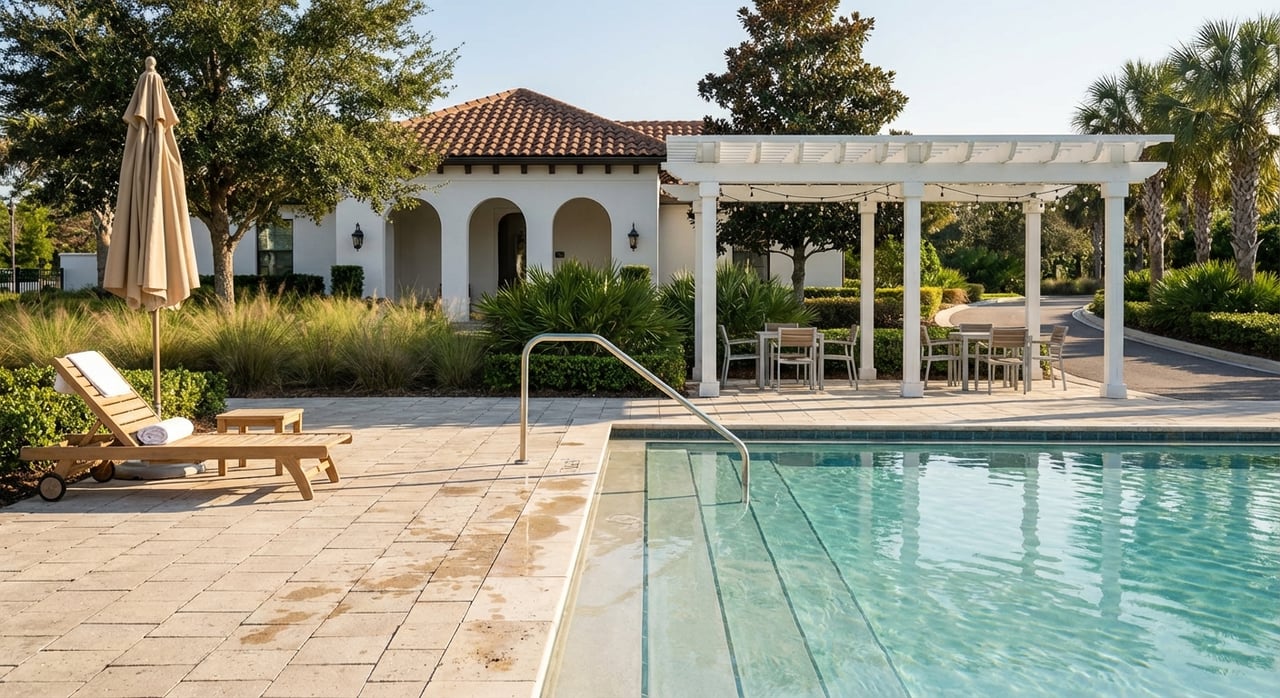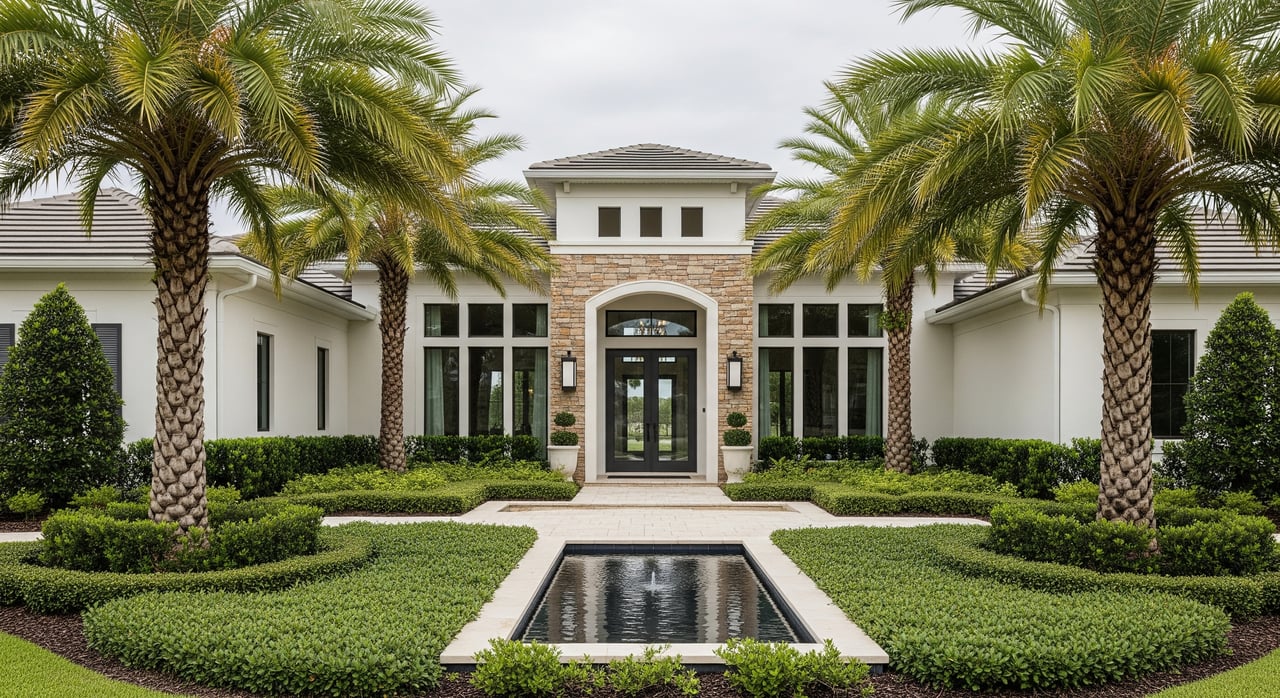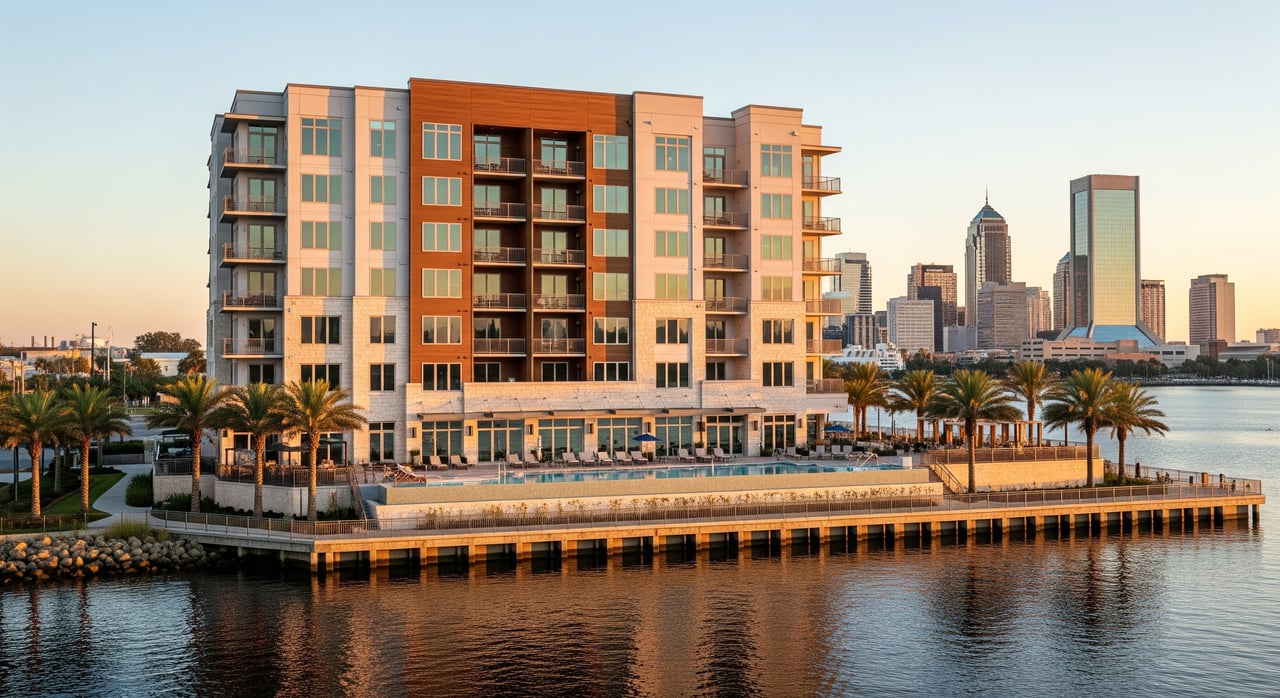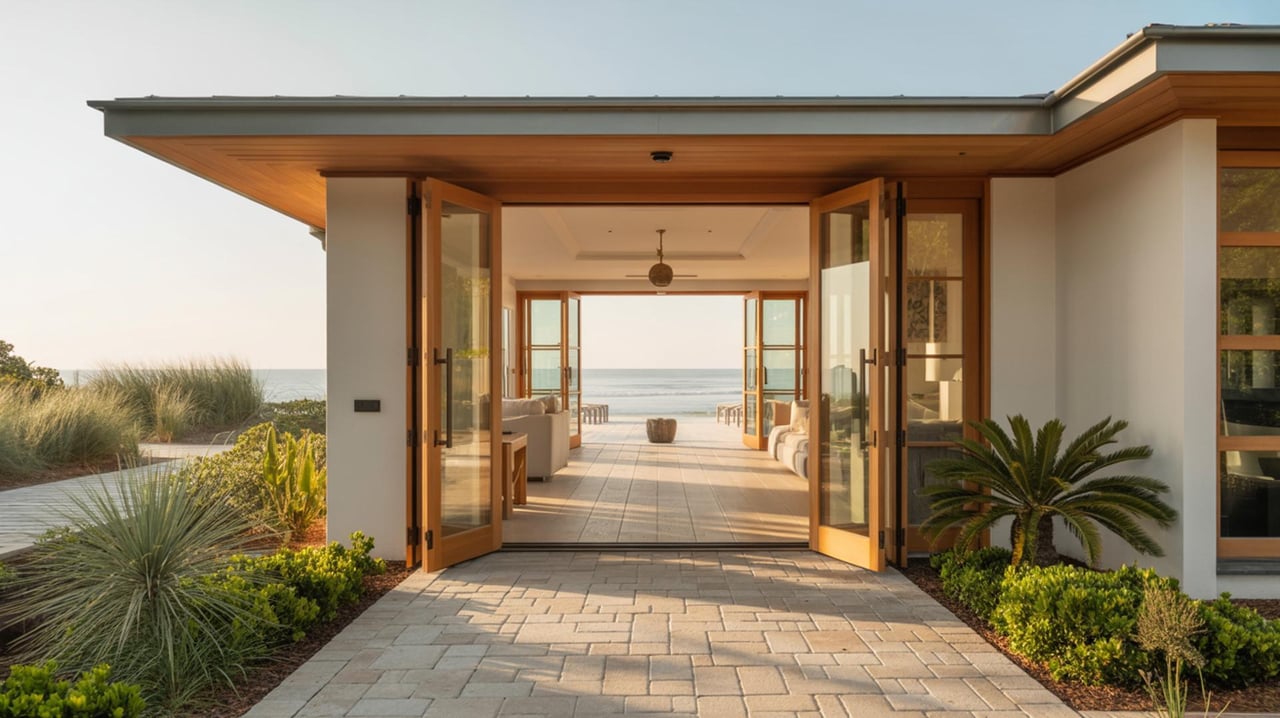
Thinking about a second home in St. Augustine? It is easy to picture weekends near the water, strolls through historic streets, and a place your family can enjoy for years. But before you buy, it helps to look closely at how you plan to use the home, what local rules apply, and what the true carrying costs may be. If you get those pieces right, you can choose a property that fits your lifestyle and your long-term goals. Let’s dive in.
Start With How You’ll Use It
A second home can mean very different things depending on your plans. You may want a personal getaway, a place for family and guests, or a property that also generates rental income. In St. Augustine, that use pattern should guide nearly every part of your search.
St. Johns County’s short-term rental standards focus on neighborhood compatibility, parking, safety, and accountability. That is a helpful reminder that not every area or property type works the same way for every buyer. Before you fall in love with a home, make sure its location aligns with how often you will use it and whether you want any rental flexibility.
Choose the Right St. Augustine Area
Historic Downtown for Personal Use
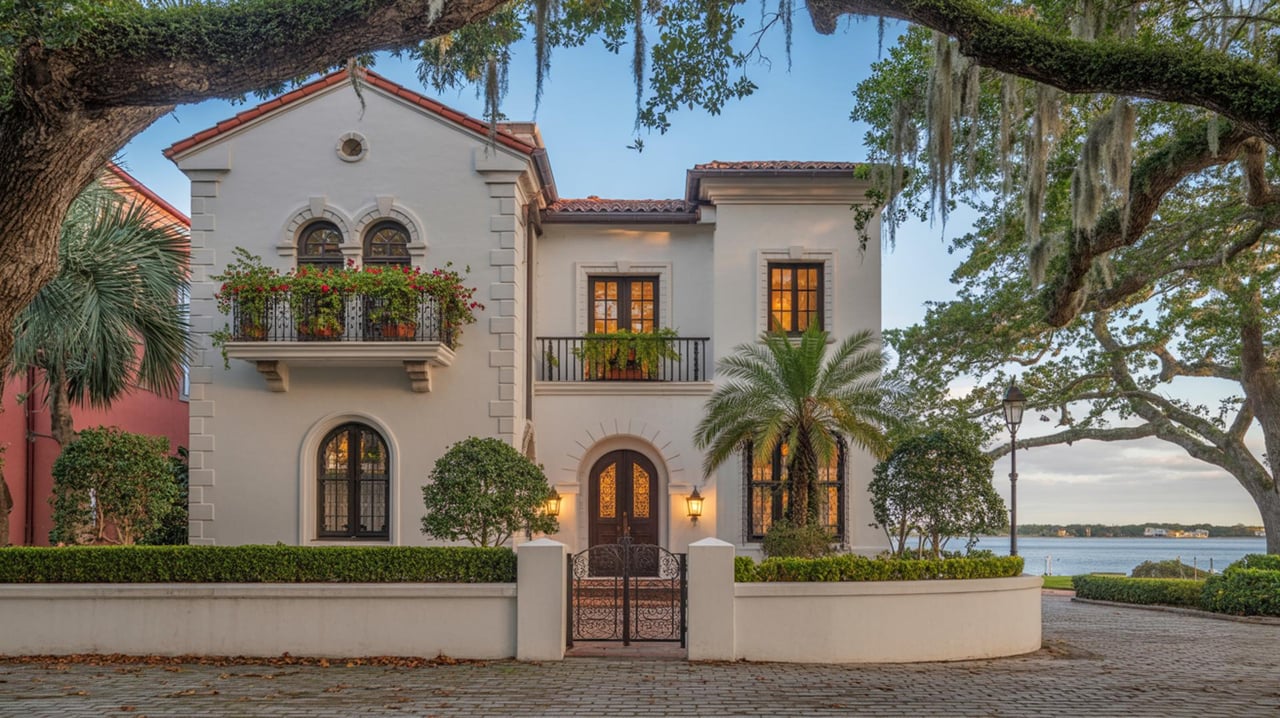
St. Augustine’s historic core appeals to buyers who want walkability and older architecture. It can be a great fit if your second home is mainly for your own enjoyment or for longer stays by family and guests. The setting is unique, but the tradeoff is that there are more limits on how the property can be used and updated.
In HP-1, rentals must be monthly or longer. Exterior work or certain permits in historic districts may also require certificate-of-appropriateness review. That means buyers looking for nightly rental flexibility may need to look elsewhere.
Beach and Island Lifestyle Options
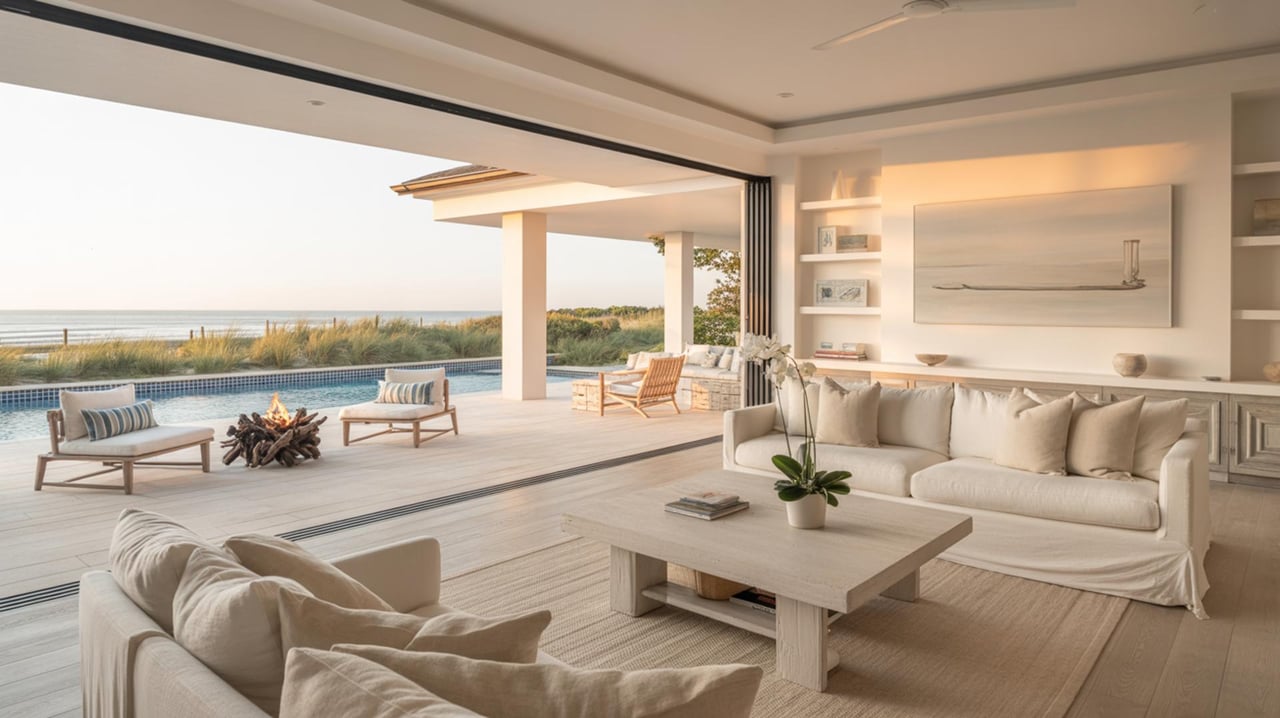
If your vision of a second home is more coastal, St. Augustine’s beachside areas offer different experiences. Anastasia Island is about 4 miles from Historic Downtown and includes St. Augustine Beach. Vilano Beach is just north of the historic district, while Crescent Beach is roughly 10 miles south along A1A.
St. Augustine Beach is known as a lively coastal community with cafés, surf shops, parks, and oceanfront hotels. Crescent Beach is quieter and more laid back. Those differences matter when you are choosing between a more active beach setting and a more relaxed retreat.
Match the Property to Your Routine
If you plan to visit often and want a low-hassle home base, a property in an area with more restrictive rental activity may actually feel easier to manage. If you want the option to rent the home for shorter stays, you will need to be much more careful about zoning, parking, and registration rules. A smart purchase starts with being honest about how you will use the home most of the time.
Understand the Real Cost of Ownership
The purchase price is only part of the equation. A second home in St. Augustine can come with meaningful ongoing costs, especially if the property is near the coast or in a condominium association. Building these into your budget early can help you avoid surprises later.
Property Taxes and Homestead Rules
Many buyers coming from a primary residence are used to modeling costs with a homestead exemption. For a second home, that usually does not apply. St. Johns County’s Property Appraiser says homestead eligibility requires the property to be your primary, permanent residence on January 1.
That means a vacation home or part-time residence generally should be evaluated without homestead savings. When you compare properties, make sure you are looking at realistic tax expectations for a non-primary residence.
Flood and Hurricane Exposure
In St. Johns County, flood risk can come from heavy rainfall, seasonal high tides, and tidal surges during coastal storms, tropical storms, and hurricanes. This is especially important if you are considering a beach, river, or low-lying property. The location may be beautiful, but you want a clear picture of the risk profile before you buy.
The county also notes that flood losses are not covered by most standard homeowners insurance policies. Flood insurance has a 30-day waiting period, so coverage should be in place well before any storm threat. Buyers should check both the property’s flood zone and evacuation zone during due diligence.
St. Johns County also states that qualifying National Flood Insurance Program policies receive a 25 percent CRS discount. Even with that benefit, insurance should still be treated as a major line item in your ownership costs.
Condo Fees, Reserves, and Inspections
Condominiums can be appealing for second-home buyers because they may reduce exterior maintenance responsibilities. But condo ownership requires careful document review. Monthly fees, reserve requirements, and building condition can have a big impact on affordability.
Florida condominium rules now require Structural Integrity Reserve Studies for certain associations. The Florida Department of Business and Professional Regulation says budgets adopted on or after January 1, 2025, may not waive SIRS reserves. For buyers, that makes it especially important to review budgets, reserve funding, and inspection history before closing.
Know the Rental Rules Before You Buy
If rental income is part of your plan, you need to confirm the rules for the exact property and jurisdiction before making an offer. In St. Augustine, the rules can change depending on whether the home is inside the city or in unincorporated St. Johns County. This is one of the biggest areas where second-home buyers can make costly assumptions.
City of St. Augustine Rules
Inside the city, vacation rentals must register, allow annual inspections, and meet parking and life-safety requirements. The city also caps occupancy and requires posted emergency information. These rules can affect how practical a property is for part-time rental use.
In RS-1 and RS-2, the city allows short-term rentals for periods of one week or longer with registration. Nightly rentals are treated as motel use and are not allowed. For buyers, that minimum stay requirement can significantly affect your rental strategy.
Unincorporated St. Johns County Rules
In unincorporated St. Johns County, short-term vacation rentals are also regulated. The county requires registration, a sample lease with occupancy and vehicle limits, a local business tax receipt, a state transient lodging license, a Florida sales-tax certificate, a registration fee, and annual renewal.
County standards also include parking and occupancy rules. For example, the county requires one off-street parking space per three transient occupants and does not allow boats, RVs, or trailers on the street or in the front yard. There are also exemptions in some unincorporated areas and for certain property types, so property-specific review is essential.
Rental Taxes Matter Too
If you plan to rent the home, local taxes are part of the operational picture. Florida allows counties to levy local option transient rental taxes in addition to state tax. In St. Johns County, the tourist development tax is 5 percent.
The county clerk and tax collector say owners or agents are responsible for collecting and remitting that tax, and the county clerk specifically notes that Airbnb and Vrbo do not remit the county tourist development tax to the tax collector. The county tax collector also says returns are remitted monthly. If you want a second home to function as an asset, this kind of admin work should be part of your planning.
Build a Smart Due Diligence Plan
A second home purchase feels more manageable when you break due diligence into a few practical checks. In St. Augustine, the right checklist depends on the property type and location, but a few items stand out.
Key Items to Verify
- Check the parcel’s flood zone and evacuation zone.
- For coastal or river properties, review storm-surge exposure.
- If the home is in or near a historic district, ask whether exterior changes may need preservation review or a certificate of appropriateness.
- If buying a condo, request the declaration, bylaws, budgets, reserve information, and any SIRS materials.
- If you plan any rental use, confirm the minimum stay rules, registration requirements, parking standards, and related local approvals before closing.
This work may not be the most glamorous part of buying a second home, but it can protect both your enjoyment and your investment. The more clearly you understand the rules up front, the more confident your purchase decision can be.
What This Means for Second-Home Buyers
Buying a second home in St. Augustine is not just about choosing between downtown charm and beach access. It is about matching your lifestyle goals to the right property, the right area, and the right set of local rules. A home that is perfect for personal use may not be ideal for short stays, and a condo with easy upkeep may come with costs that deserve a close look.
When you approach the search with a clear plan for use, carrying costs, insurance, and rental compliance, you put yourself in a much stronger position. That kind of preparation helps you buy with confidence and avoid surprises after closing.
If you are exploring a second home in St. Augustine and want clear, local guidance on neighborhoods, condos, rental considerations, or long-term ownership strategy, connect with Claudia Hilbert for a personalized consultation.
FAQs
What should you consider before buying a second home in St. Augustine?
- You should look at how you plan to use the home, where it is located, whether rental rules allow your intended use, and what the full carrying costs will be, including taxes, insurance, and association expenses.
Can you use a St. Augustine second home as a short-term rental?
- Possibly, but it depends on the property’s location and jurisdiction. City and county rules differ, and zoning, minimum stay requirements, registration, parking, and safety standards all need to be confirmed before you buy.
Do second homes in St. Johns County qualify for homestead exemption?
- Generally no. St. Johns County says homestead eligibility requires the property to be your primary, permanent residence on January 1, so a vacation or part-time residence typically does not qualify.
Why does flood zone matter when buying a St. Augustine second home?
- Flood zone matters because local flood hazards can come from rainfall, high tides, and coastal storms, and most standard homeowners insurance policies do not cover flood losses. It can affect both your risk and your insurance costs.
What condo documents should you review for a St. Augustine second home?
- You should request and review the condo declaration, bylaws, budgets, reserve information, inspection history, and any Structural Integrity Reserve Study materials, since these documents can directly affect your future costs.
Are rental taxes required for a second home rental in St. Johns County?
- Yes, if you rent the property, St. Johns County’s tourist development tax is 5 percent, and owners or agents are responsible for collecting and remitting it, with returns remitted monthly according to the county tax collector.