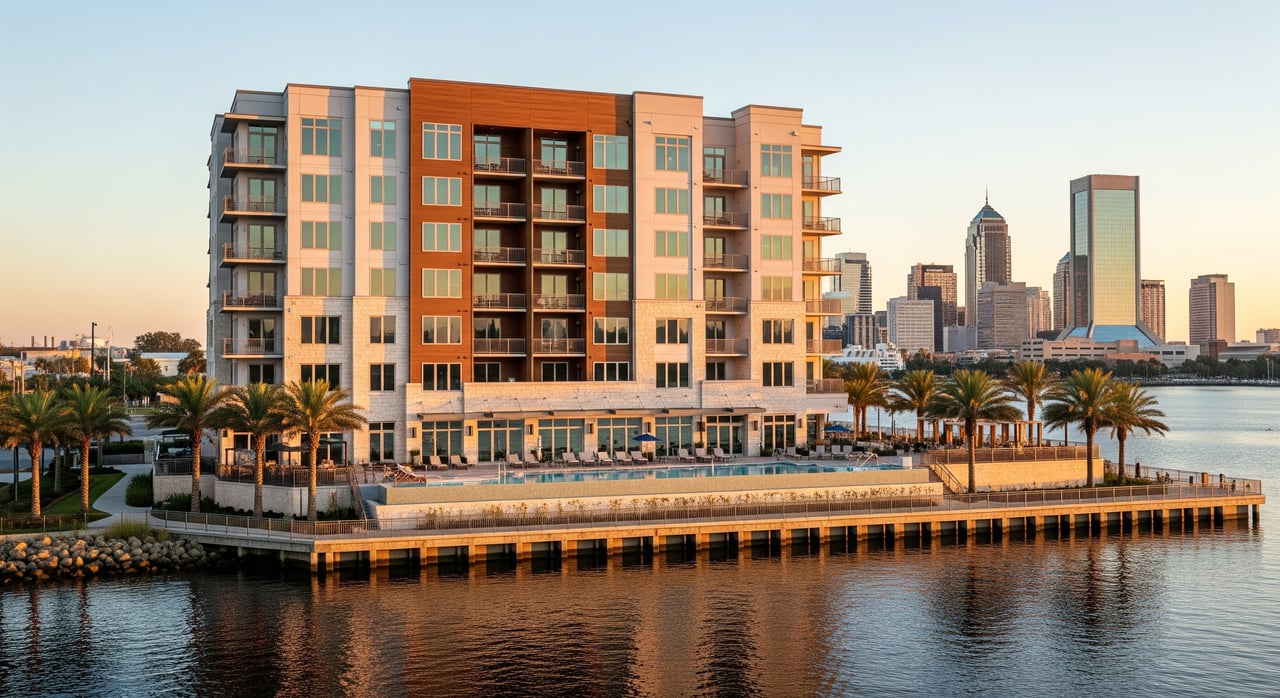
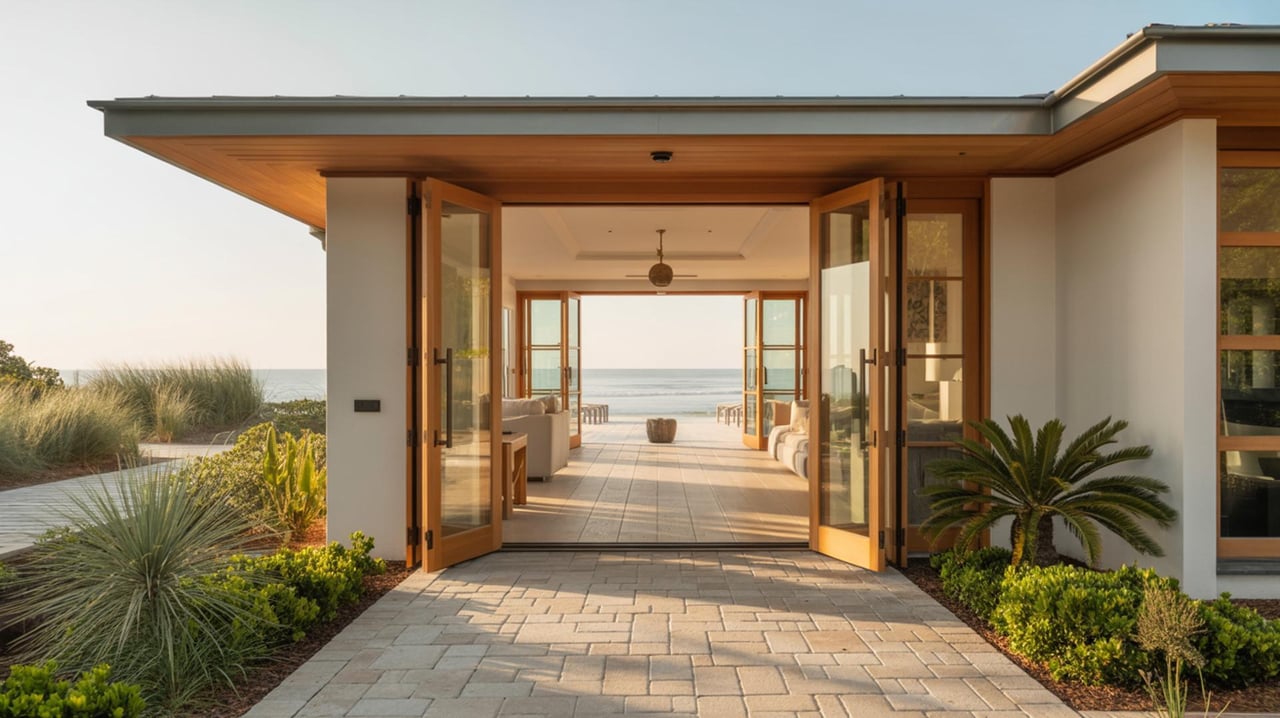
Salt, sun, and sea air are why you love Ponte Vedra Beach. They are also why your home needs a different kind of care. If you want to preserve value, avoid surprise repairs, or get your property ready to sell, a coastal-savvy maintenance plan pays off. In this guide, you’ll learn what to check, how often to service key systems, and which upgrades matter most in our beach climate. Let’s dive in.
Why coastal maintenance matters
Ponte Vedra Beach sits in a humid subtropical zone with high heat, salt-laden air, and strong sun. Salt accelerates metal corrosion, UV breaks down finishes and sealants, and humidity fuels mold and mildew. Summer storms and hurricane-season winds test roofs, flashing, windows, and doors.
You also need to think about flood zones and shoreline conditions. Some properties fall under coastal flood maps that affect insurance and disclosures. Before major work or retrofits, verify permits and requirements with the Florida Building Code and St. Johns County building authorities.
Roof care on the coast
Your roof takes the brunt of wind, rain, sun, and salt. A well-chosen system plus steady upkeep makes a big difference in lifespan and resale confidence.
Choose durable materials
- Metal roofs are popular for wind resistance. Use 316 stainless or coastal-rated fasteners and confirm the manufacturer’s coastal warranty.
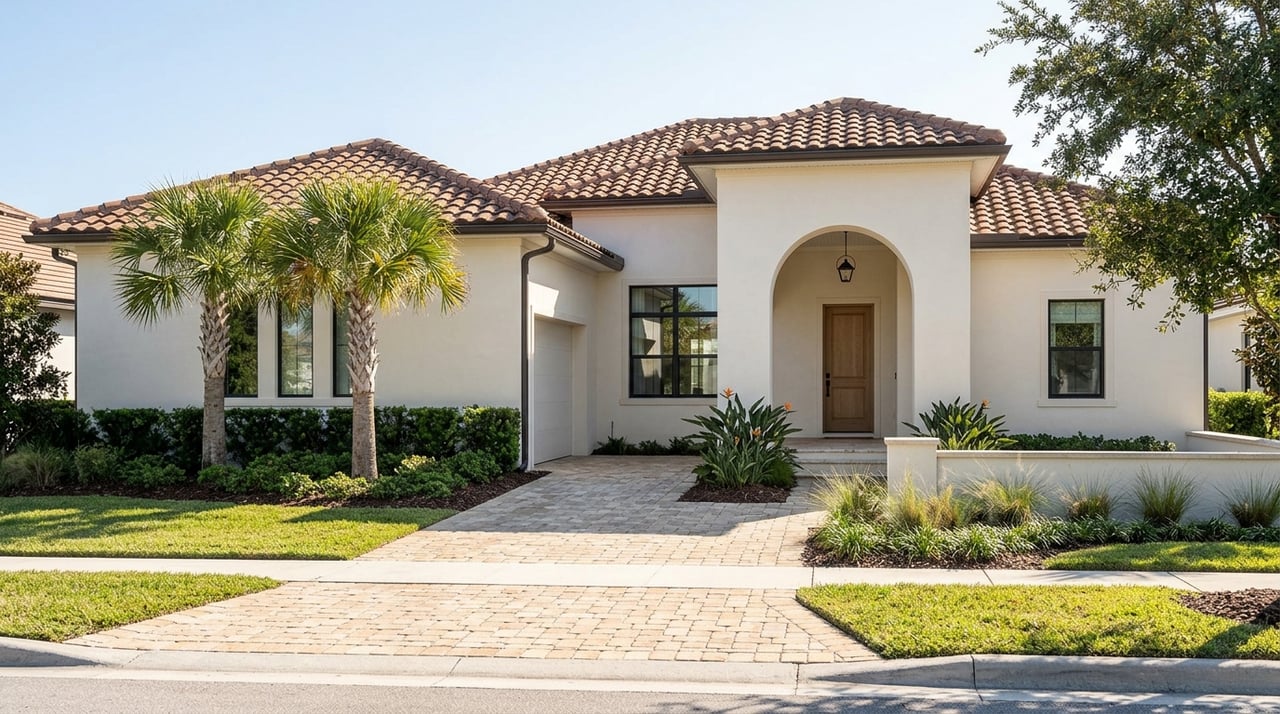
- Tile and concrete roofs are heavy and durable. Keep flashing and underlayment in top shape to resist wind-driven rain.
- Architectural asphalt shingles cost less up front but often age faster near the ocean. Select high wind-rated shingles if you are replacing.
Inspect and clean on schedule
- Check the roof twice a year and after major storms.
- Replace cracked tiles, re-seal flashing, and fix underlayment issues as needed.
- Remove debris and salt film with gentle, low-pressure washing to reduce abrasion.
Siding, stucco, and paint
Exterior walls work hard in Ponte Vedra Beach. Moisture control and joint maintenance are key to preventing hidden damage.
Use resilient cladding
Fiber-cement siding and well-detailed stucco perform well in coastal conditions. Engineered composite and marine-grade PVC can also work when installed to spec. Verify wind ratings for any vinyl products.
Seal and recaulk annually
Inspect caulked joints, stucco control joints, and penetrations once a year. Replace failed sealant before water finds its way behind the cladding.
Clean and repaint regularly
Plan routine washing to remove salt, mold, and mildew. High-quality 100% acrylic exterior paints and elastomeric coatings on stucco help bridge hairline cracks. Expect more frequent repainting near direct salt spray compared to inland homes.
Fasteners and flashing
Use corrosion-resistant metals. 316 stainless steel is preferred in high-salt exposure. Hot-dip galvanized can be acceptable in some locations. Avoid galvanic reactions by keeping incompatible metals from touching.
Windows and doors
Openings are common points of water intrusion in coastal storms. Regular checks protect both comfort and structure.
Impact protection options
In many coastal areas, Florida Building Code requires impact-rated glazing or code-approved shutters. Confirm your property’s requirements with St. Johns County before upgrades. Approved solutions include laminated impact windows and doors, roll-down or accordion shutters, and properly permitted panel systems. Window film is not a code substitute for impact protection in most cases.
Keep water out
Clear window and door weep holes, clean tracks, and check sill gaskets. Inspect perimeter caulking and glazing putty annually. Replace worn rollers, corroded locks, and hardware with coastal-rated parts.
Garage doors and shutters
Garage doors can be a weak link in high winds. Verify reinforcement and wind rating. Test hurricane shutters every year, and keep manuals and panel hardware organized for easy handoff to a buyer.
HVAC and corrosion control
Salt air and humidity are tough on outdoor units and indoor air quality. A tighter service schedule reduces breakdowns and protects interiors from moisture.
Coastal tune-up schedule
- Plan at least one professional tune-up per year, and consider twice-yearly checks for ocean-exposed condensers.
- Change filters every 1 to 3 months depending on use and pollen.
- Have control wiring and contactors inspected annually for corrosion.
Coil, drain, and parts care
- Clean outdoor coils at least once a year. In direct salt spray, clean twice yearly.
- Use coastal-rated equipment or factory protective coatings where available. Consider ceramic or epoxy coil coatings applied by qualified pros.
- Elevate outdoor units in areas with occasional flooding, and protect them from windborne debris without blocking airflow.
Manage indoor humidity
Keep indoor humidity below about 60 percent, ideally 40 to 50 percent, to limit mold risk. Seal and insulate ducts in unconditioned spaces and monitor for condensation during high humidity periods. Standalone dehumidifiers can help in certain rooms.
Decks, rails, and porches
Use naturally durable hardwoods or properly rated pressure-treated lumber with stainless fasteners. Many composites resist rot but can fade under UV and trap moisture between boards. Refinish or re-stain every 1 to 3 years depending on exposure, and inspect fasteners annually for corrosion.
Seawalls and shoreline
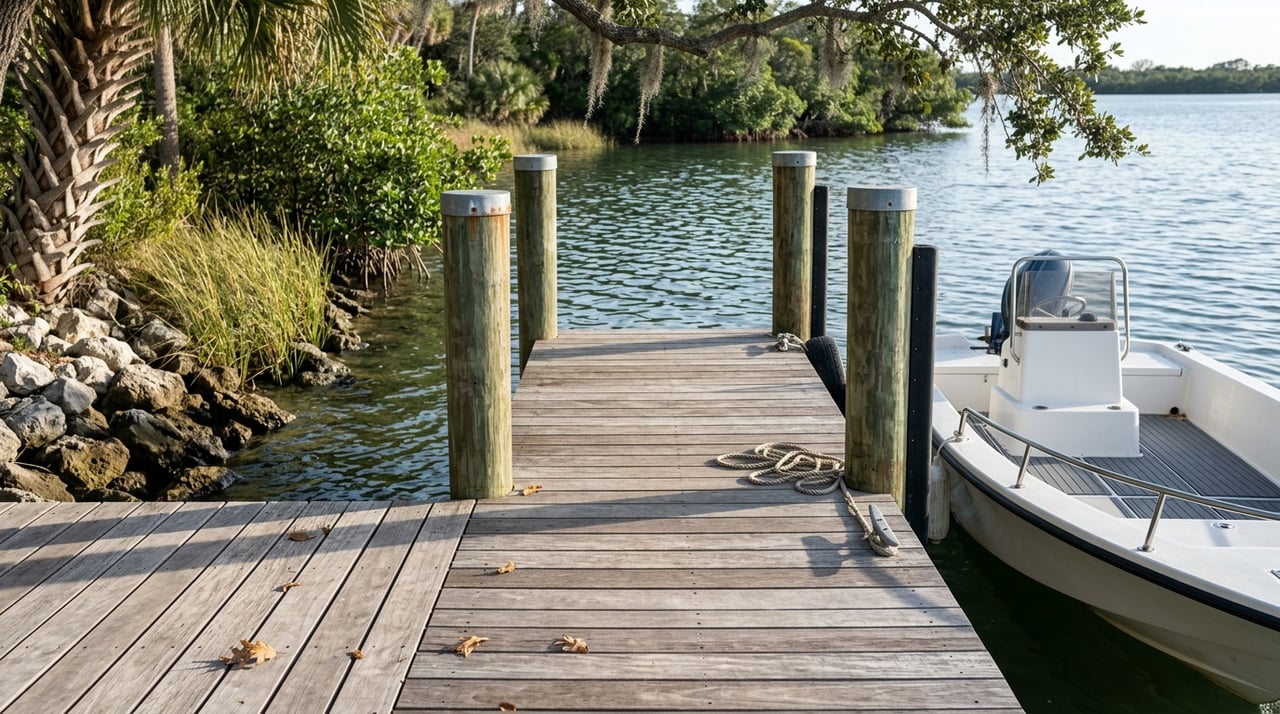
If your property includes a seawall or bulkhead, inspect it regularly for undermining, settling, and erosion. Keep debris clear and maintain drainage to prevent scouring. For structural concerns, consult a qualified marine contractor or engineer.
Driveways, walkways, and foundations
Check grading to ensure water flows away from the structure. Watch for efflorescence on masonry and cracks that may indicate movement. For elevated homes, inspect piers or piles for marine borer damage and corrosion on connectors.
Seasonal service schedule
A simple cadence keeps your coastal home in top form and ready for showings if you decide to sell.
Twice yearly
- Exterior inspection for roof, flashing, siding, caulking, windows, and decks.
- Clean gutters and downspouts, especially if trees are nearby.
- HVAC check in spring and verify cooling and heating readiness in fall.
Annually
- Professional roof inspection to assess fasteners, flashing, and wind wear.
- Full HVAC service with coil cleaning and refrigerant checks.
- Termite and pest inspection.
- Operate and service shutters or verify impact glazing.
- Pool and spa equipment inspection if present.
Quarterly to monthly
- Replace or clean HVAC filters. Increase frequency in heavy-use months.
- Walk the exterior after storms for corrosion, peeling paint, or failed seals.
- Test GFCI outlets and exterior lighting.
After major storms
- Inspect roof, siding, windows, and mechanical equipment promptly.
- Document any damage for insurance and contact qualified contractors as needed.
Pre-list punch list for sellers
Buyers in Ponte Vedra Beach focus on hurricane protection, moisture history, and corrosion. Tackle these items before photos or showings.
Exterior and curb appeal
- Gently power wash to remove salt, mildew, and stains. Repaint where needed.
- Repair the roof, replace damaged fasteners, and fix cracked shingles or tiles. Provide a recent roof inspection if available.
- Clean and repair gutters and confirm positive drainage.
- Address failed window or door seals, fogged glass, and corroded hardware.
- Service and document shutters or impact windows. Keep manuals and permits handy.
- Replace corroded exterior fixtures with stainless or coated options.
Mechanical and systems
- Service the HVAC and keep a written tune-up report. Replace filters and clean coils.
- Check the water heater for corrosion and inspect or replace the anode rod if needed.
- Service pool and spa systems, and maintain clear records.
Interior and moisture control
- Inspect for stains or signs of intrusion around windows, ceilings, and walls. Remediate and document the work.
- Provide a recent termite report and any treatment records.
- Verify dehumidifiers, bath fans, and attic ventilation are functioning.
Documentation and disclosures
- Gather roof inspection results, HVAC service records, shutter or impact-glazing documentation, flood elevation certificates if available, termite reports, HOA documents, and builder warranties.
- Confirm flood zone status and disclose past flood claims or repairs as required.
High-impact finishing touches
- Replace worn weatherstripping and door sweeps.
- Test all exterior lights and GFCI outlets.
- Trim vegetation away from the structure and remove debris near foundations and seawalls.
What materials signal quality to buyers
In our market, buyers often appreciate coastal-smart choices that show long-term stewardship. Examples include impact-rated windows or permitted shutters, metal or well-maintained tile roofs with documented inspections, fiber-cement or properly coated stucco exteriors, and 316 stainless hardware in exposed locations. Clear, dated maintenance records reduce perceived risk and support stronger offers.
When to consult local authorities
Before structural work, window or door replacements, or hurricane-protection upgrades, confirm requirements with the Florida Building Code and St. Johns County building division. Check FEMA flood maps and the National Flood Insurance Program if your home is in a coastal flood zone. Local verification helps you choose compliant options and avoid delays once you are under contract.
When you are ready to optimize your home for market or simply want a plan to protect your investment, connect with a local advisor who understands coastal conditions and buyer expectations in Ponte Vedra Beach. To talk through your goals and get a tailored action plan, reach out to Claudia Hilbert to Request a Free Consultation & Home Valuation.
FAQs
How often should I service HVAC near the ocean in Ponte Vedra Beach?
- At least annually, and consider twice-yearly professional checks for outdoor units exposed to salt spray, with filters changed every 1 to 3 months.
Do I need impact windows or shutters in St. Johns County?
- Many coastal areas require code-approved impact protection; verify your property’s status with St. Johns County and use permitted systems like impact glazing or rated shutters.
What fasteners work best for coastal homes?
- 316 stainless steel is preferred for high-salt exposure, with hot-dip galvanized acceptable in some applications; avoid galvanic corrosion by separating incompatible metals.
How often should I repaint near the beach?
- Expect shorter paint cycles than inland; high-quality 100% acrylic or elastomeric coatings help, but direct salt spray zones often need more frequent repainting.
What should I do for garage door wind readiness?
- Confirm the door’s wind rating and reinforcement; consider replacement or retrofit if it does not meet local high-wind standards.
What documents help buyers feel confident when I sell?
- Roof inspection reports, HVAC service records, impact-protection permits and manuals, flood elevation certificates, termite reports, HOA documents, and any remediation records.