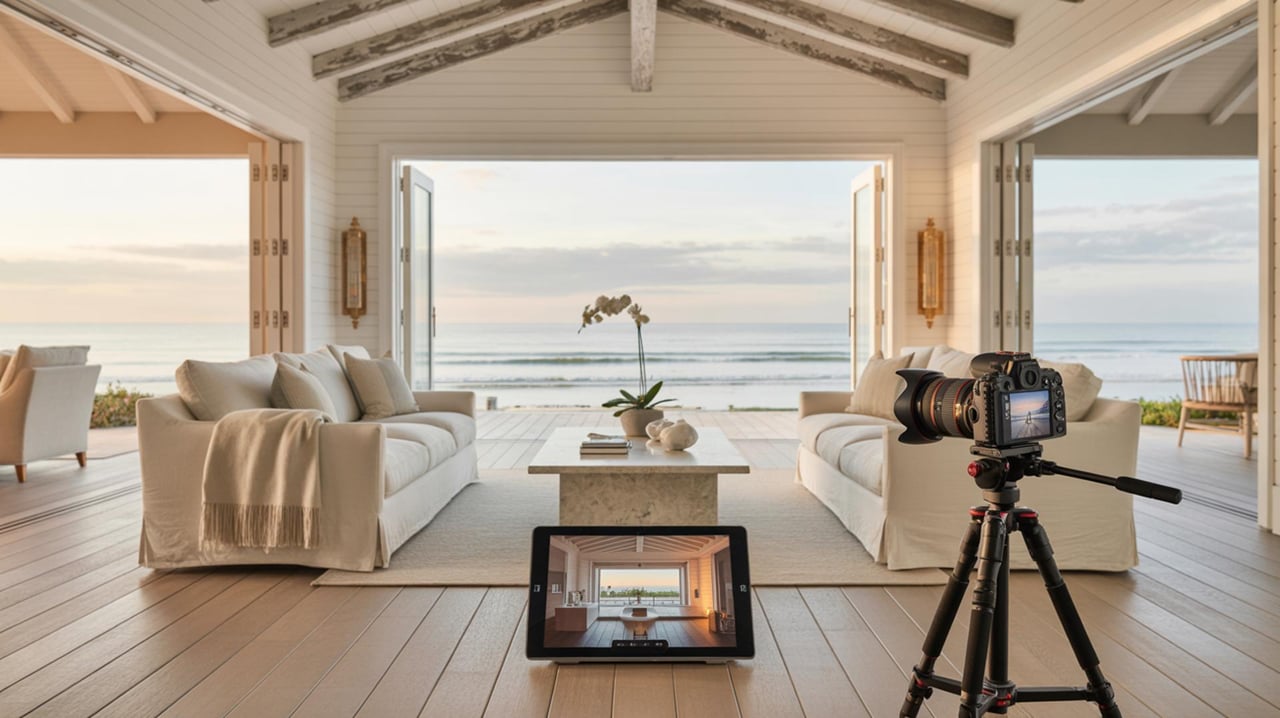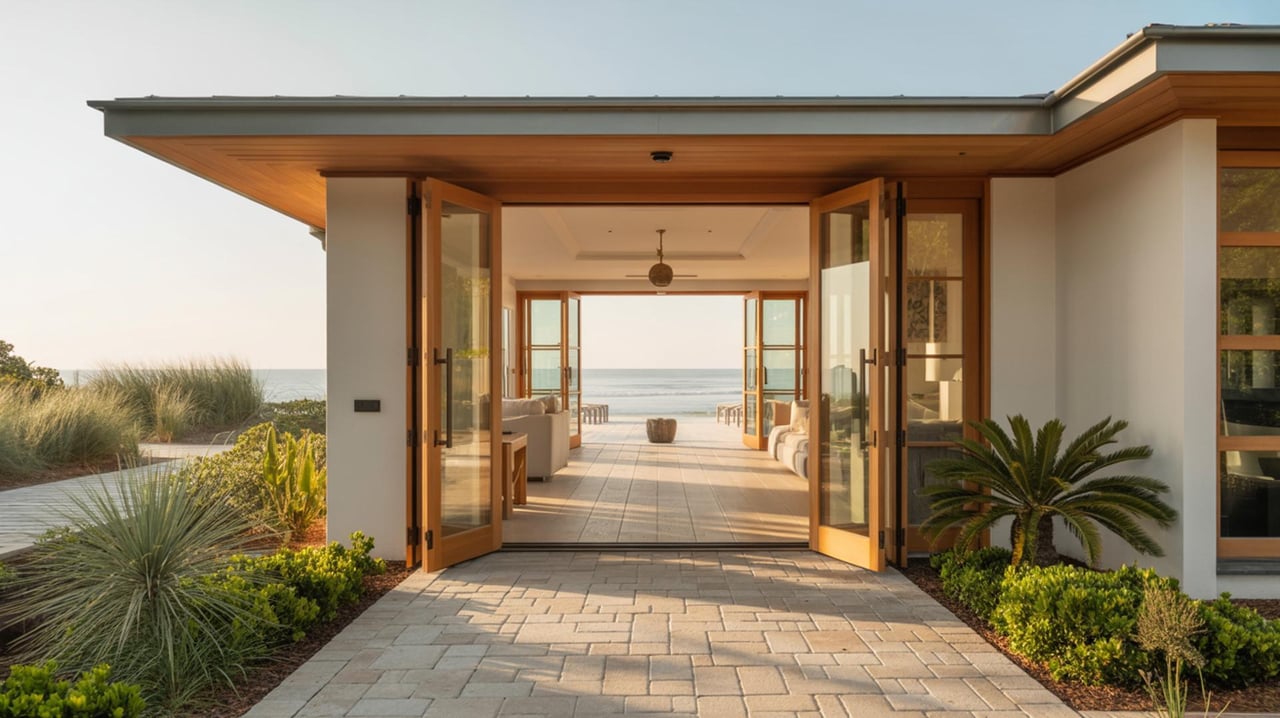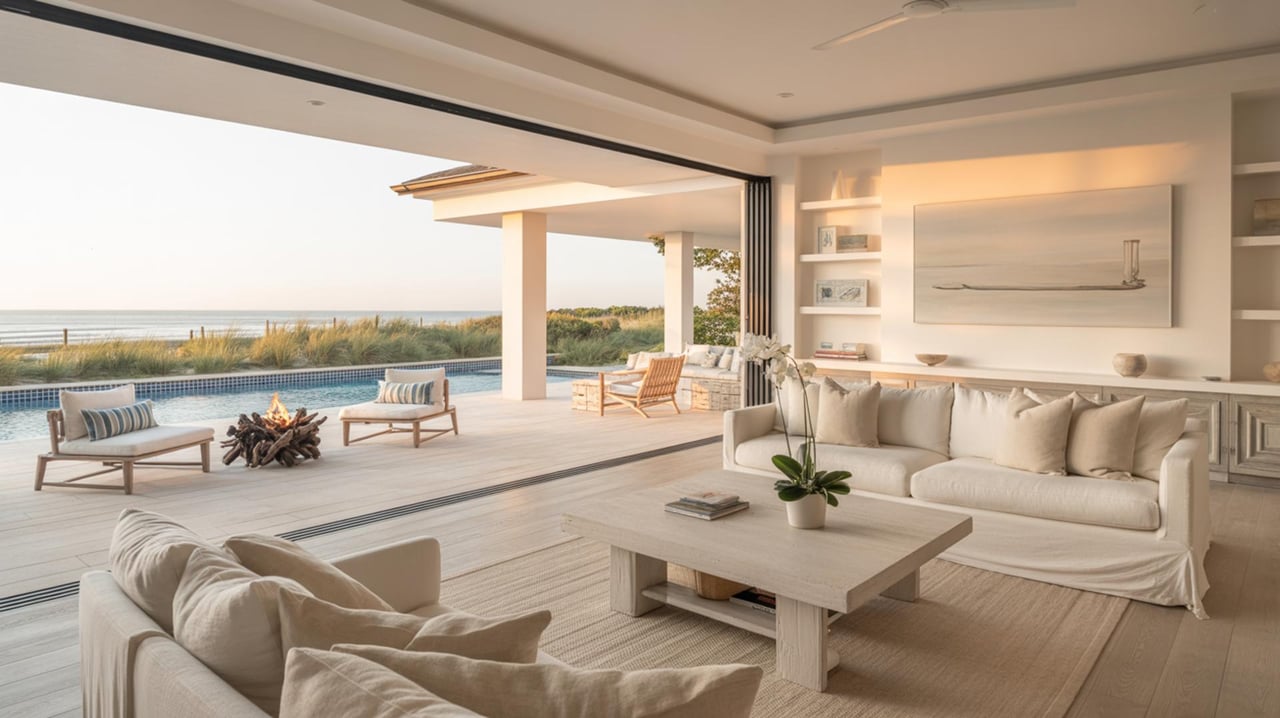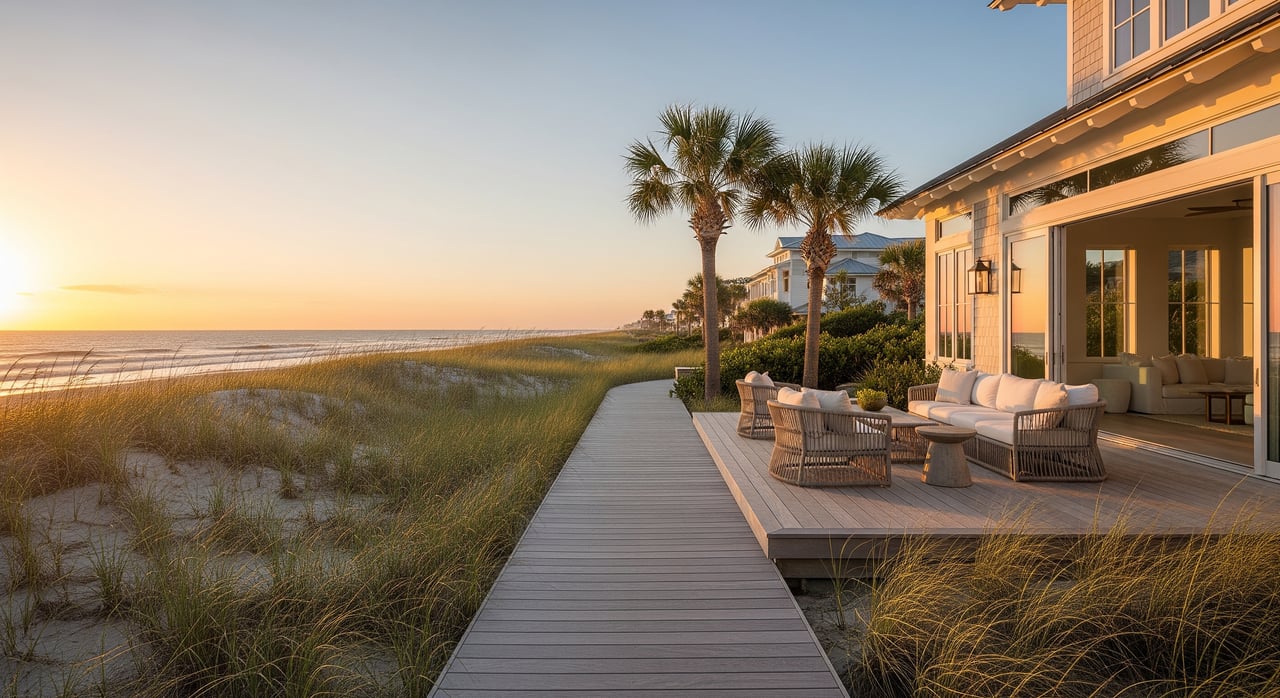
Picture starting your day with a sunrise walk, coffee in hand, and the sound of waves just a few blocks from home. If you are curious about Neptune Beach and Atlantic Beach, you are likely weighing lifestyle, commute, and costs. This guide shows you what everyday coastal life feels like, plus practical tips on housing, insurance, and getting around. Let’s dive in.
The feel of Neptune and Atlantic Beach
Neptune Beach and Atlantic Beach are two small cities along the Jacksonville Beaches barrier island. You get a true beach-town pace with neighborhood streets, local shops, and easy ocean access. Neptune Beach is often quieter and very residential, while Atlantic Beach is slightly larger with more commercial pockets and neighborhood variety. Both keep their own city services and identity while sharing regional connections to Jacksonville.
Beaches and daily routines
Oceanfront beaches run the length of both towns, with neighborhood access points, public parking lots, and boardwalks. You will see beachgoers year-round, with more visitors on summer weekends and holidays. Expect a laid-back morning crowd of walkers and surfers, then families and cyclists as the day warms up. Parking and beach rules vary by block, so check posted signs when you head out.
Sea turtle nesting season runs in the warmer months. Local lighting practices help protect nesting turtles, and many residents support volunteer efforts and beach cleanups. You will also notice dune restoration and erosion management at work, especially after major storms.
Parks, trails, and water access
You are a short drive from Kathryn Abbey Hanna Park, a favorite for biking, hiking, beach days, and kayaking on a freshwater lake. Around town, small city parks, playgrounds, and pocket greens make quick outdoor time easy. Many residents keep a simple routine: a beach walk at sunrise, a park stop with the dog in the afternoon, and a bike ride after dinner.
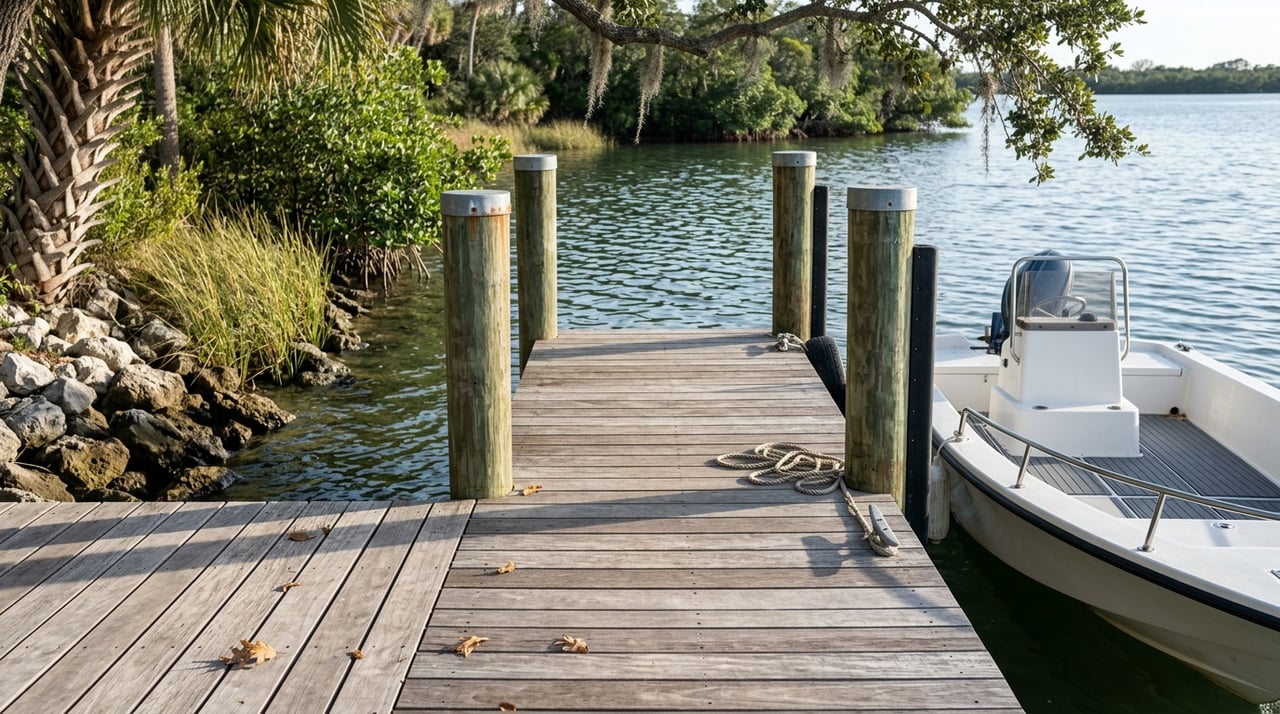
The Intracoastal Waterway and the Mayport area offer access to boating and fishing. Marinas and charter options nearby serve weekend anglers and casual boaters. Tides and weather shape many weekend plans, so you will get used to checking local conditions before you launch.
Dining and local shops
The food scene leans casual and coastal. You will find seafood spots, family-run cafes, beach bars, ice cream stands, and small bakeries. Retail is boutique in scale, with surf shops and service businesses in walkable clusters near Atlantic Boulevard and local streets. A small craft coffee and beer scene continues to grow, led by independent owners.
Community life is visible and welcoming. Farmers markets, outdoor concerts, art walks, charity events, and holiday parades pop up throughout the year. Beach cleanups and conservation efforts are common, and it is easy to plug in if you enjoy volunteering.
Getting around and commuting
Florida A1A runs along the coast, and Atlantic Boulevard is your main east–west route into Jacksonville. A typical drive to downtown ranges from about 20 to 40 minutes depending on time of day and destination. Peak commuter hours can add time, so many residents plan work schedules or errands around traffic windows.
Public transit is available through Jacksonville Transportation Authority bus routes, with service oriented to daytime and commuter patterns. Many locals rely on a personal car for longer trips and use bikes or walking for short hops to the beach, shops, or dinner. For something different, the Mayport Ferry provides a scenic connection across the St. Johns River for weekend adventures.
Housing types and street character
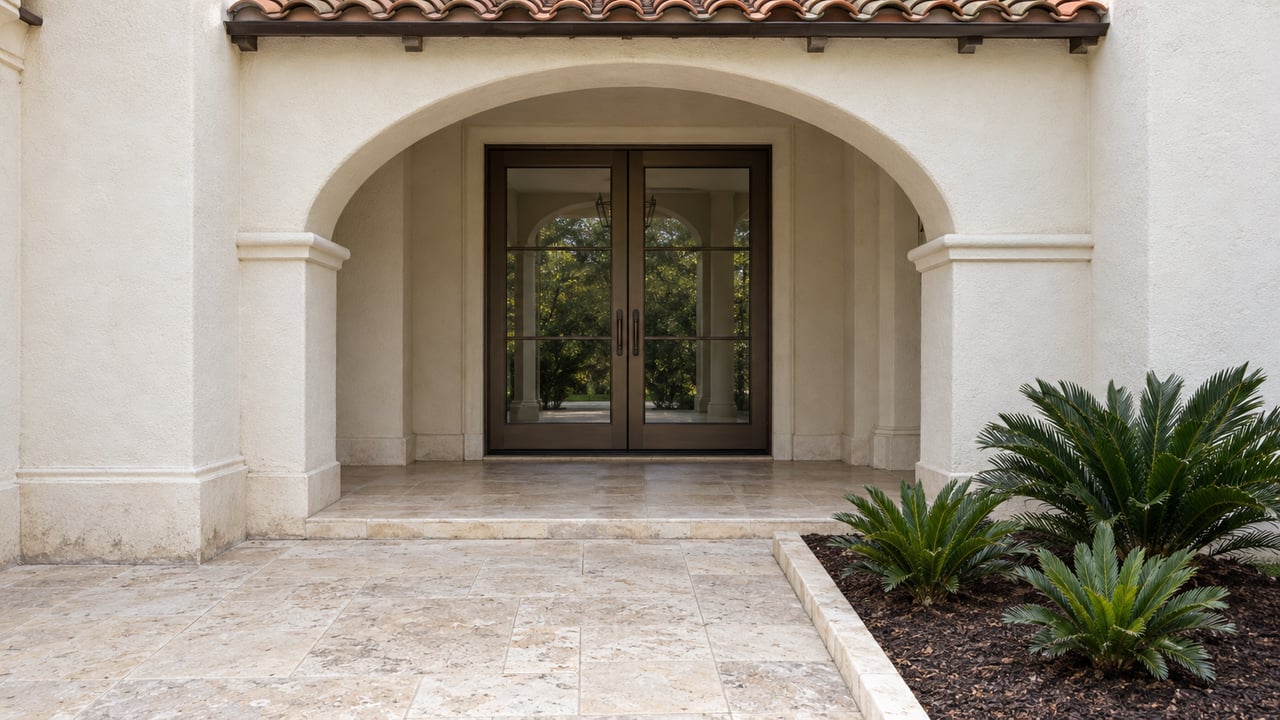
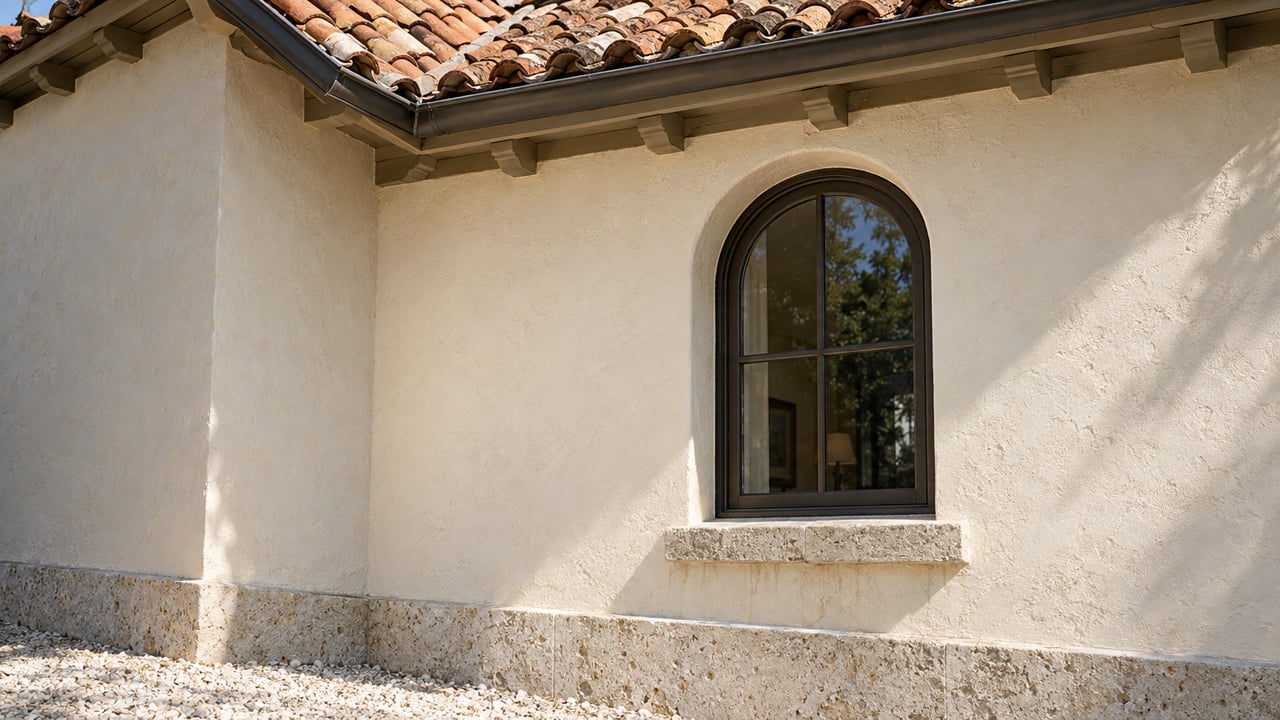
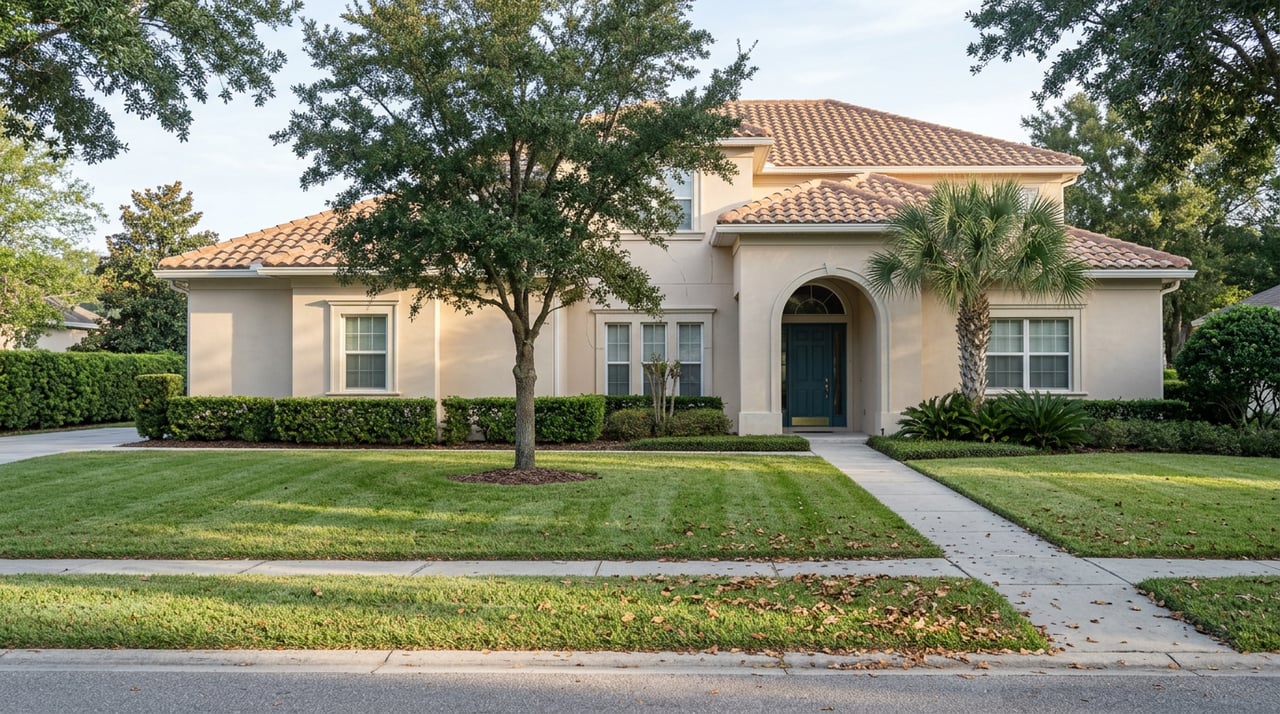
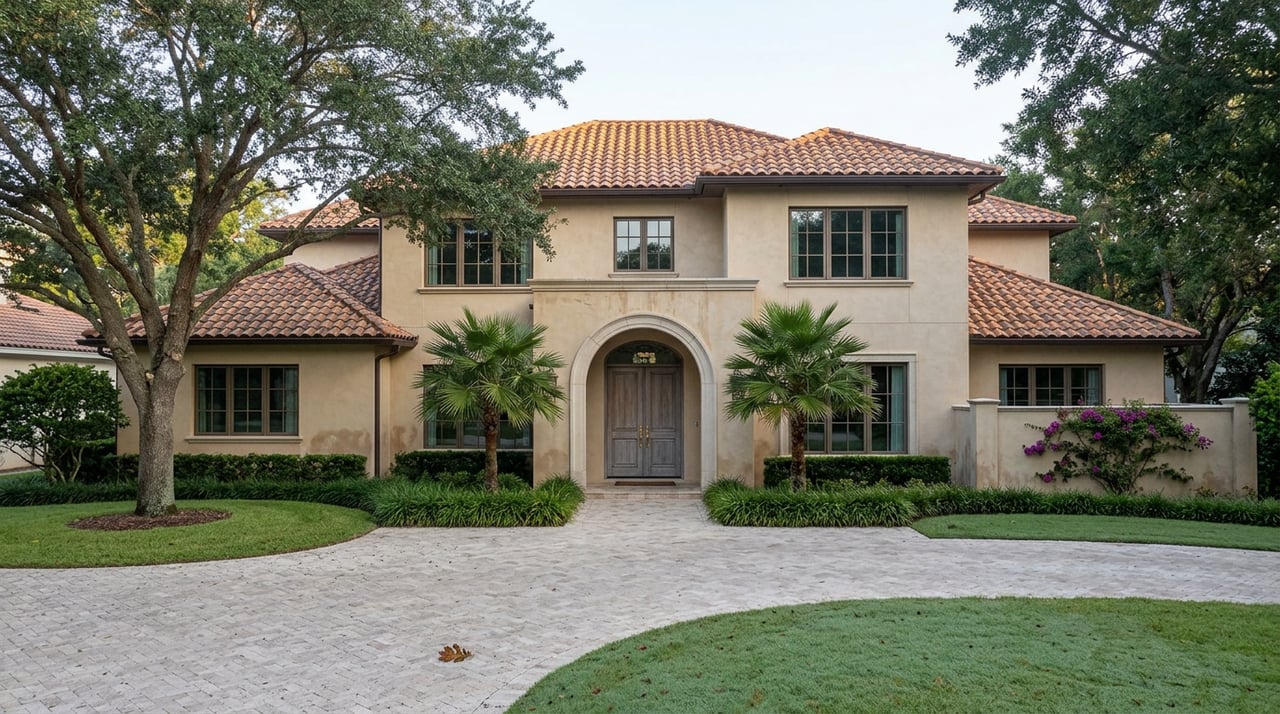
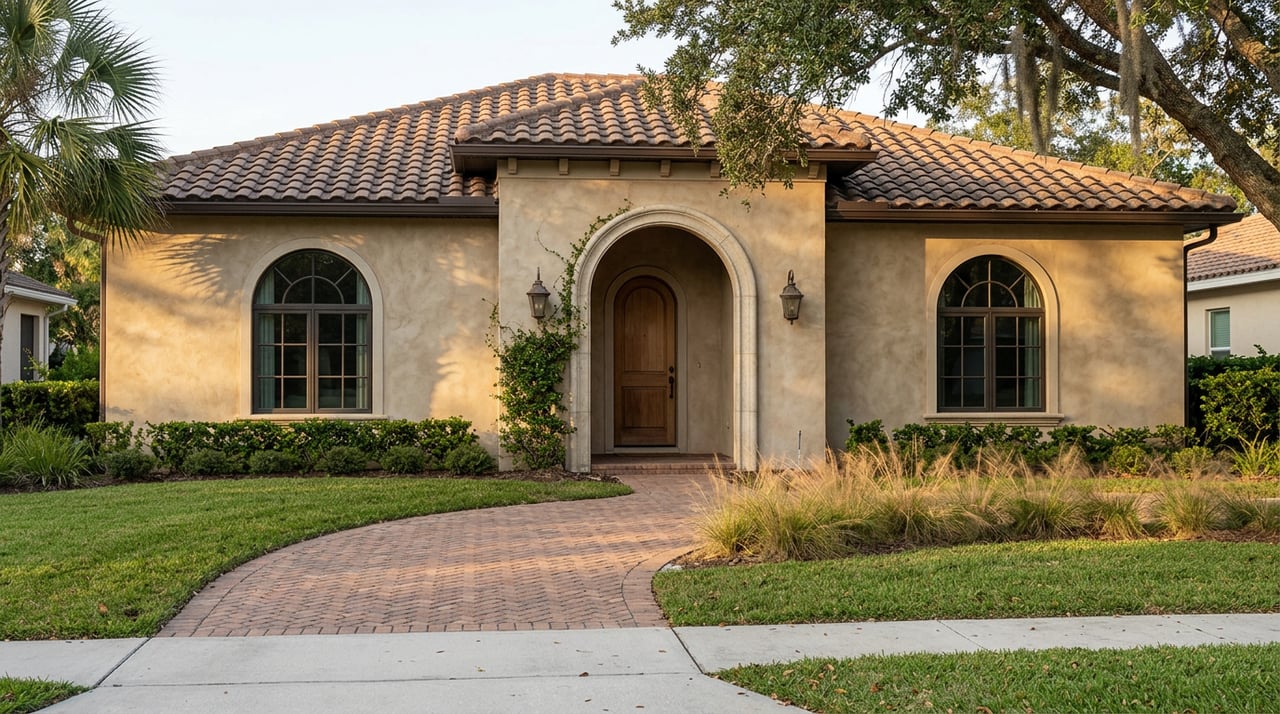
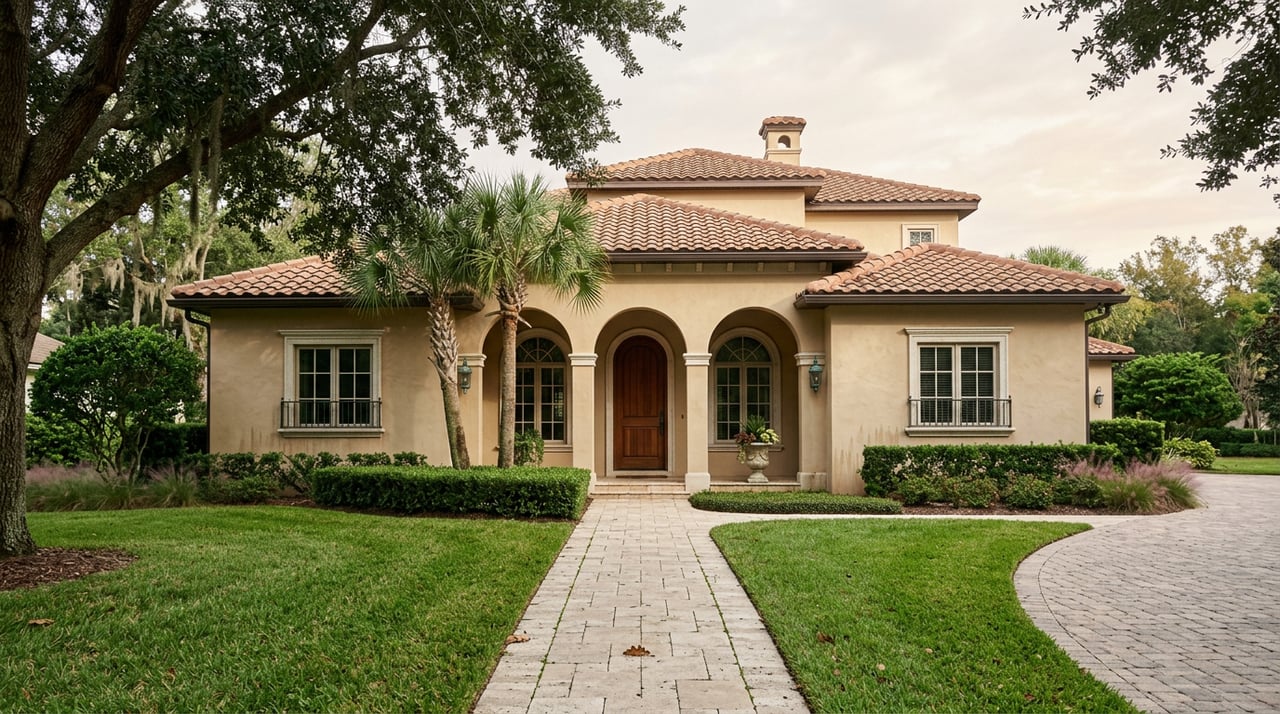
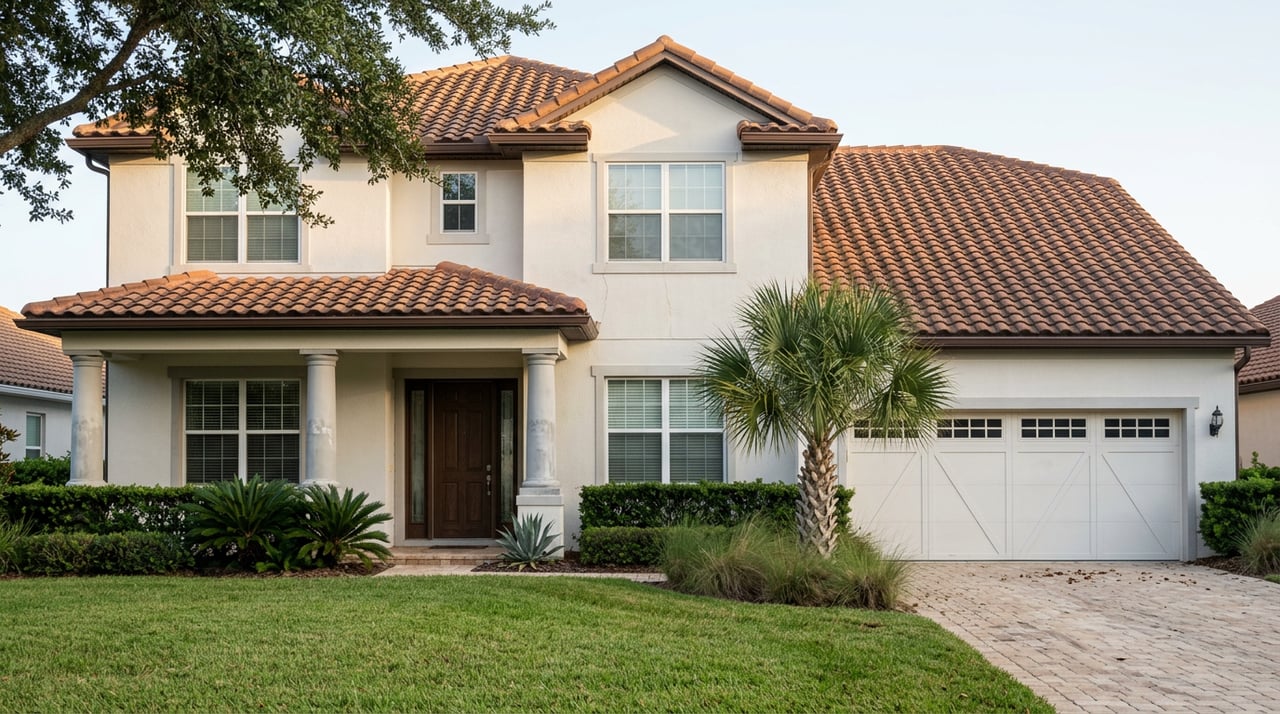
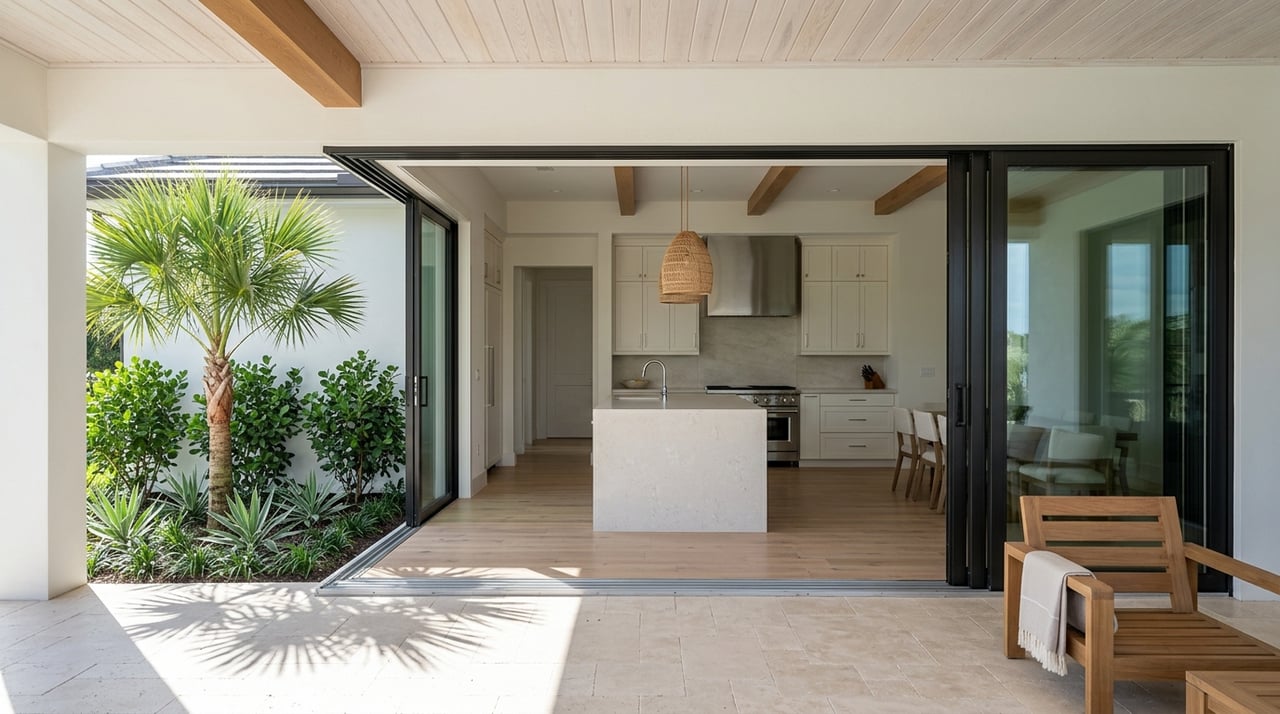
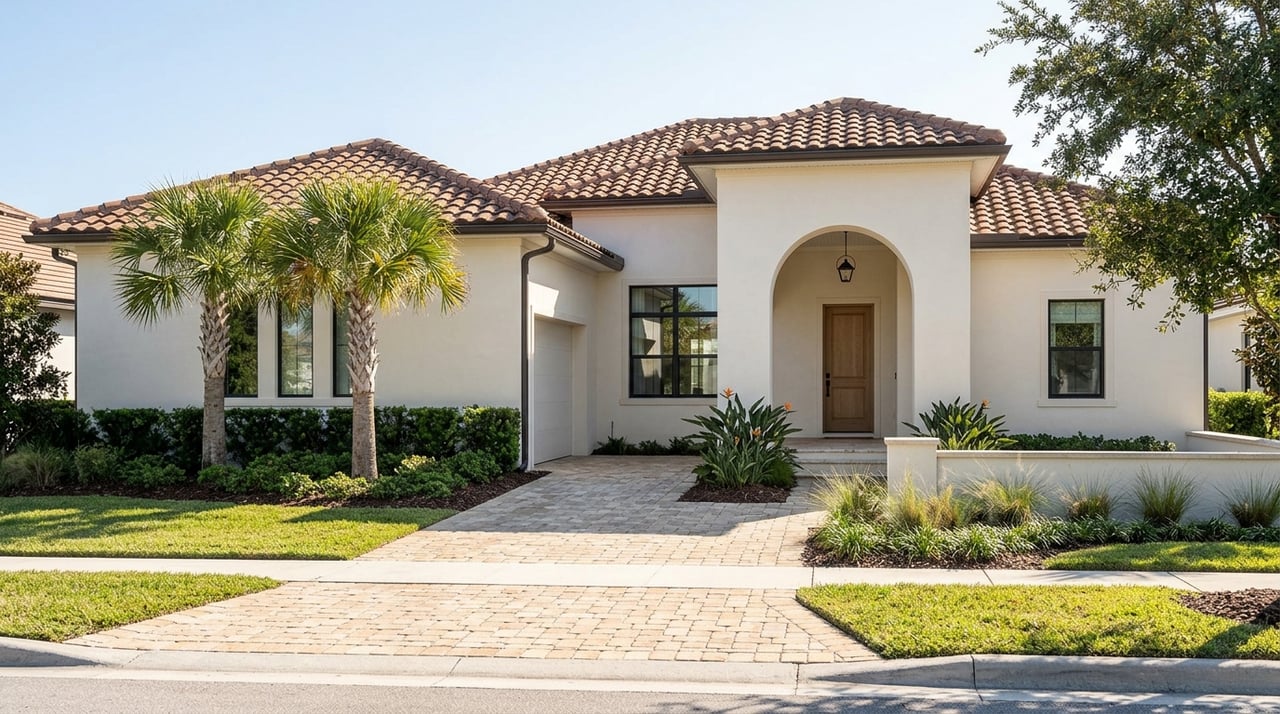
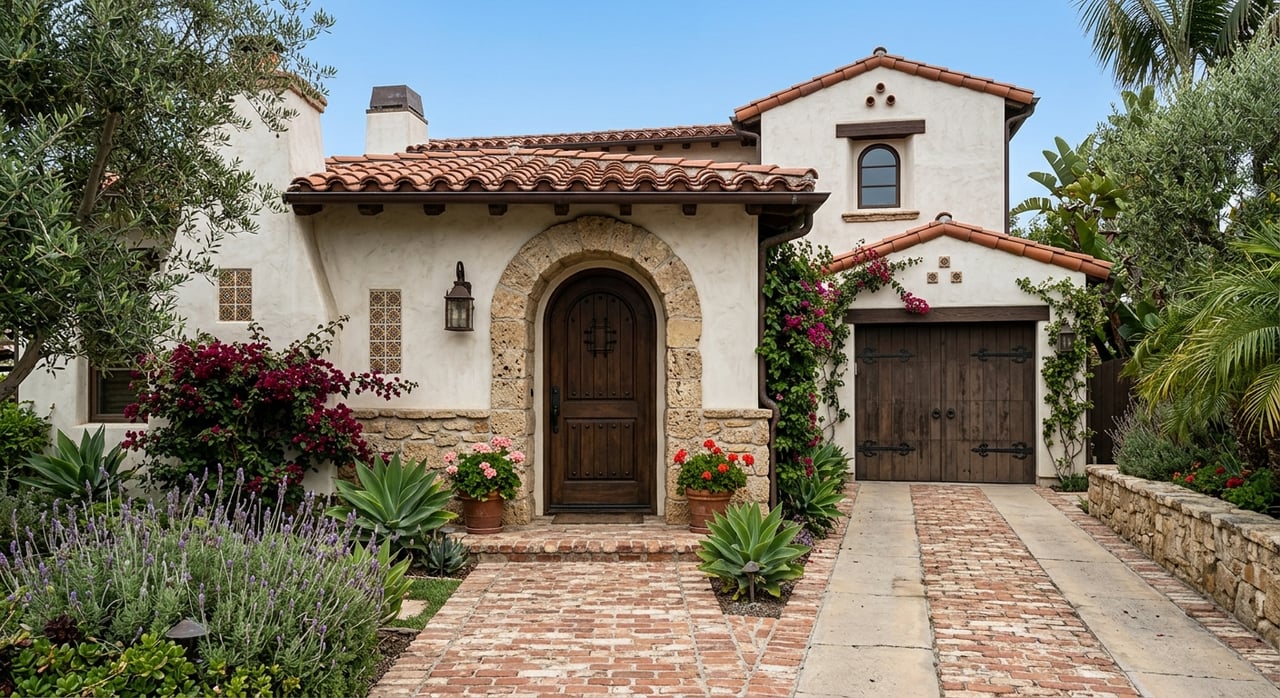
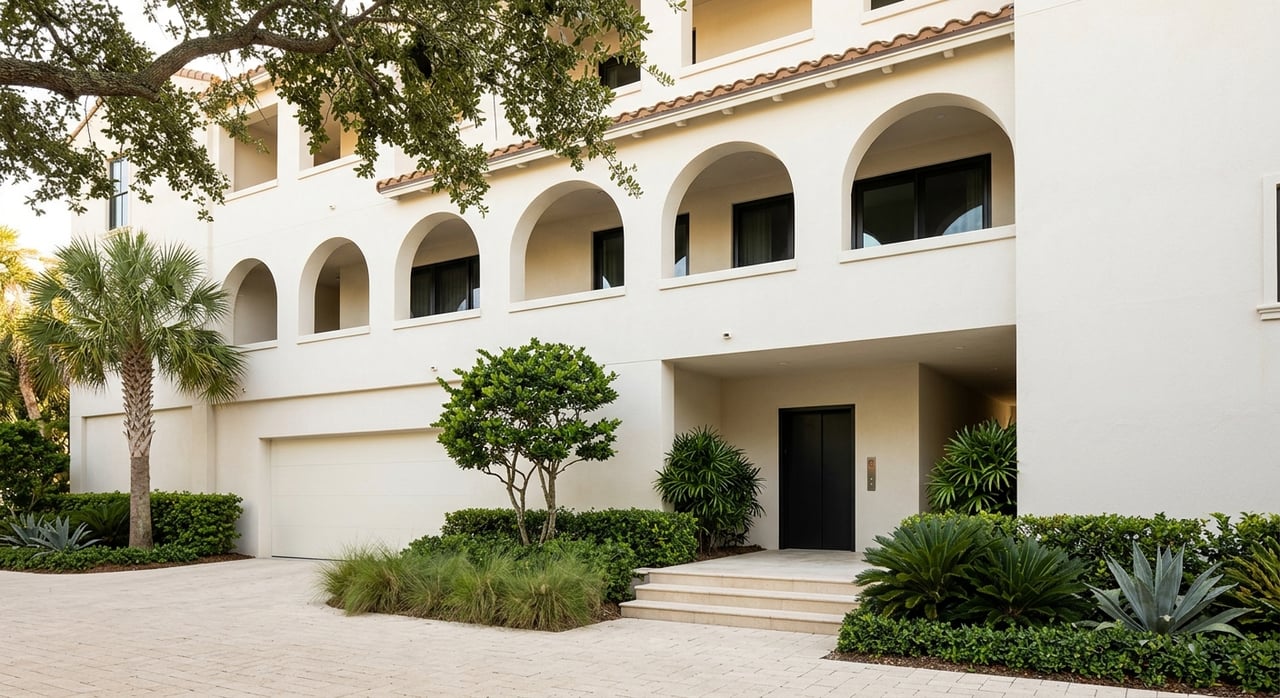
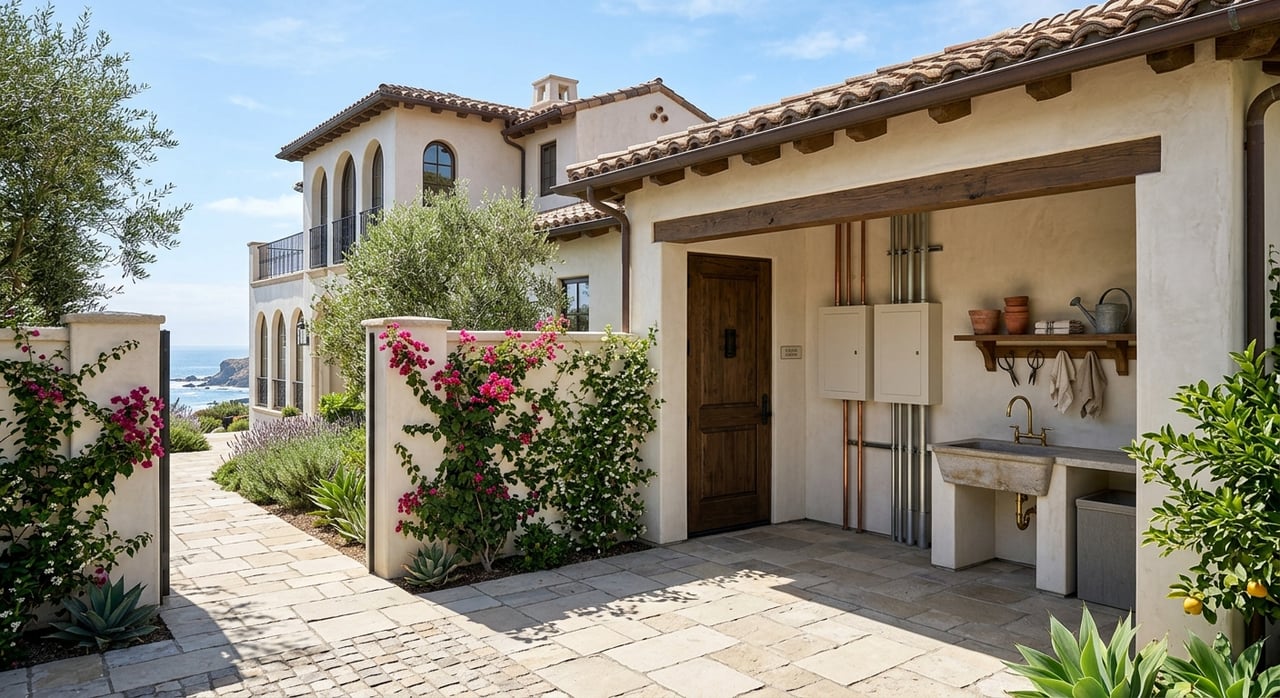
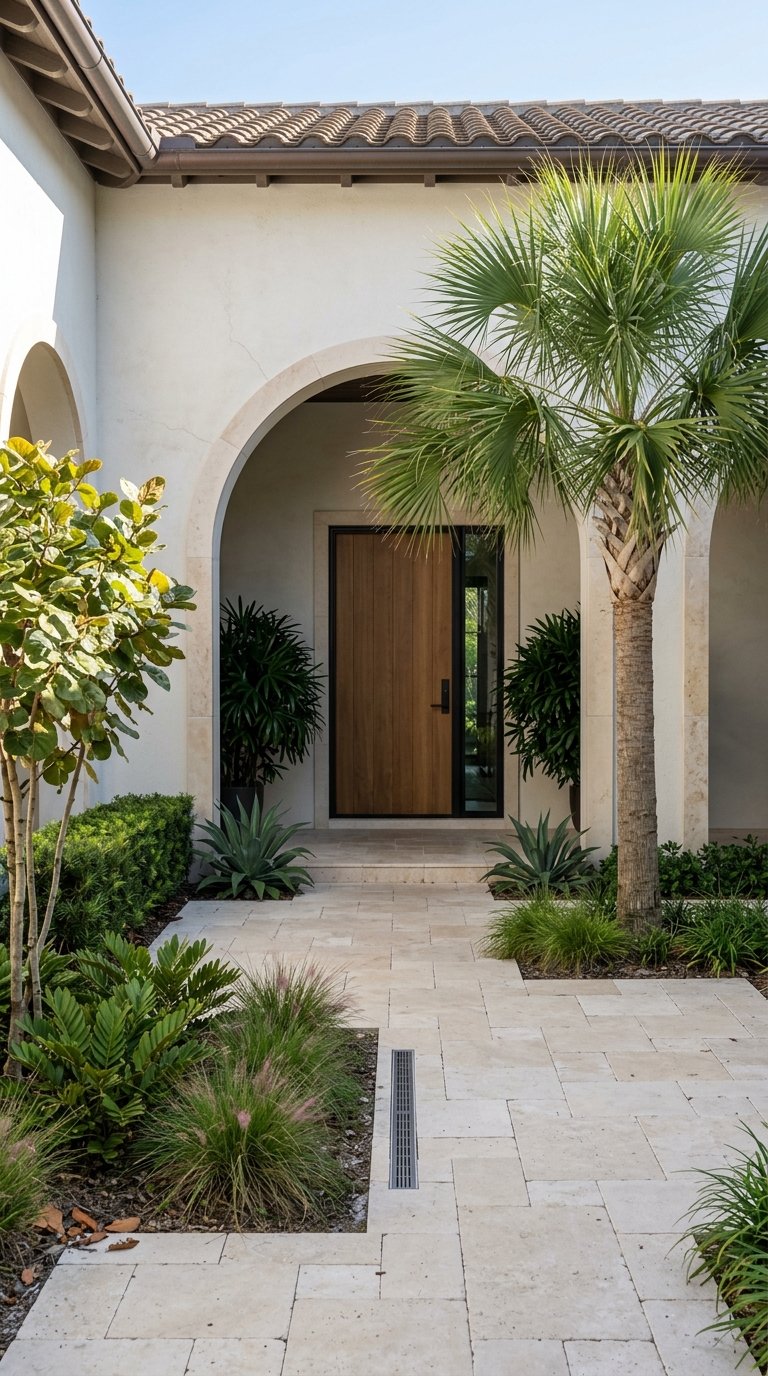
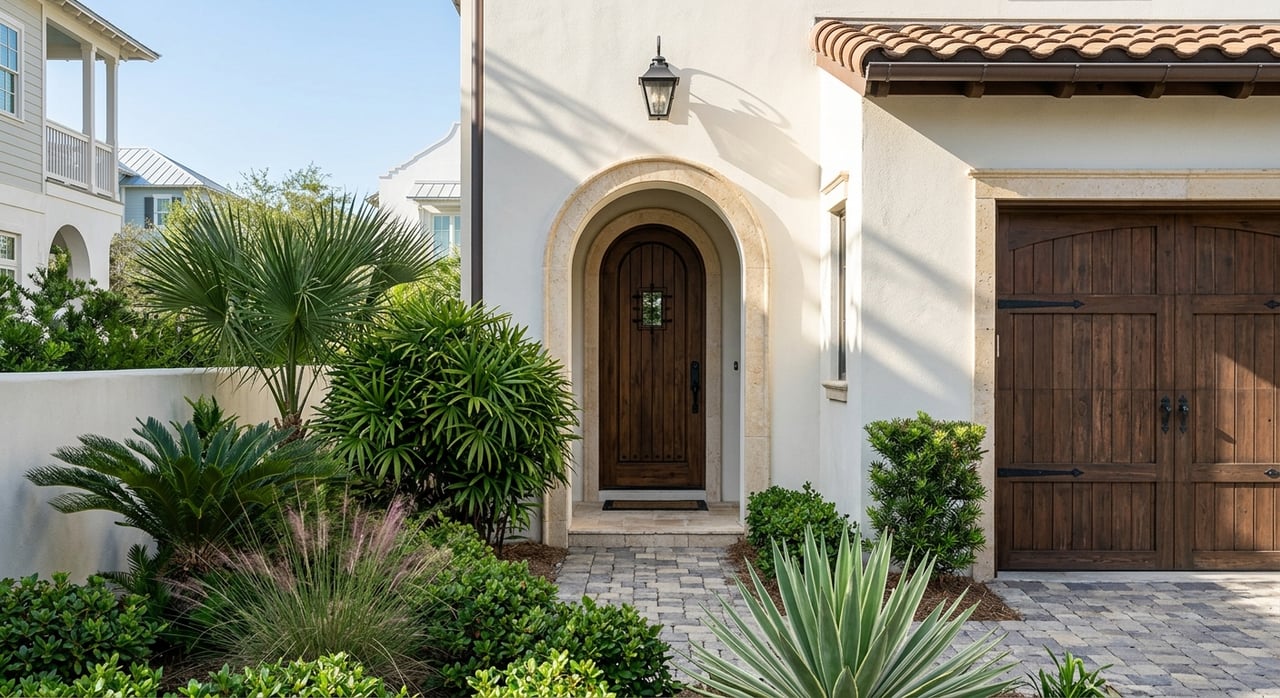
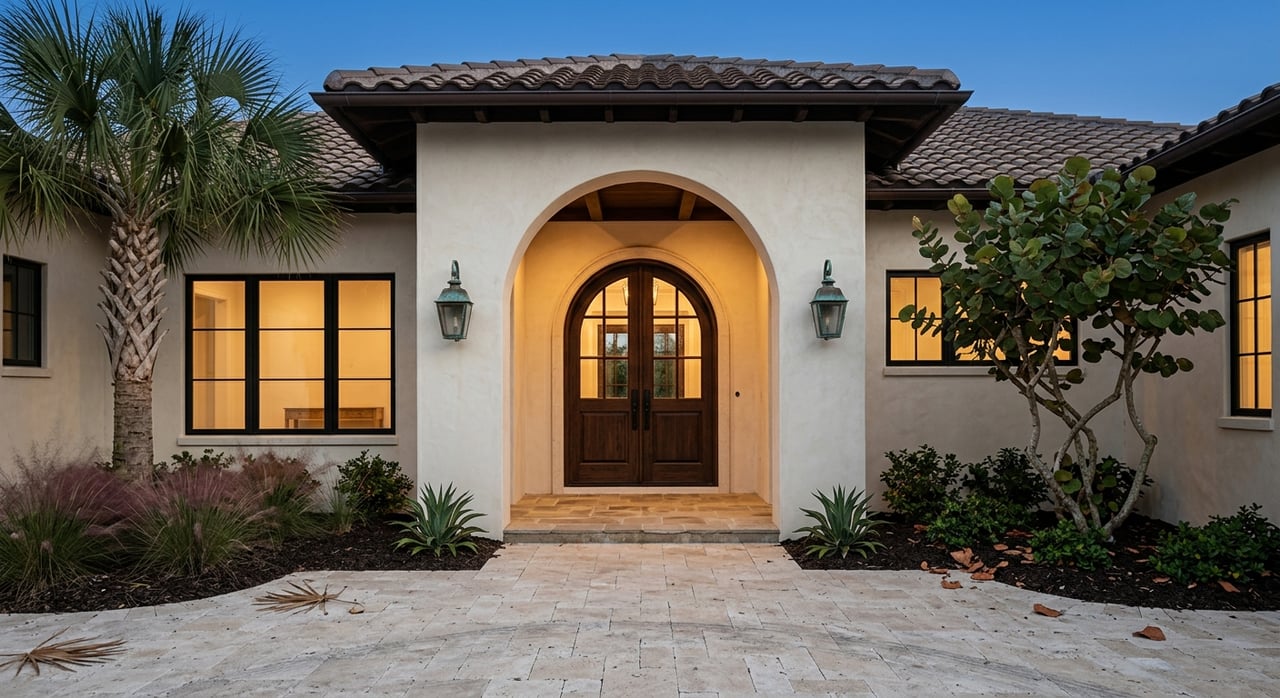
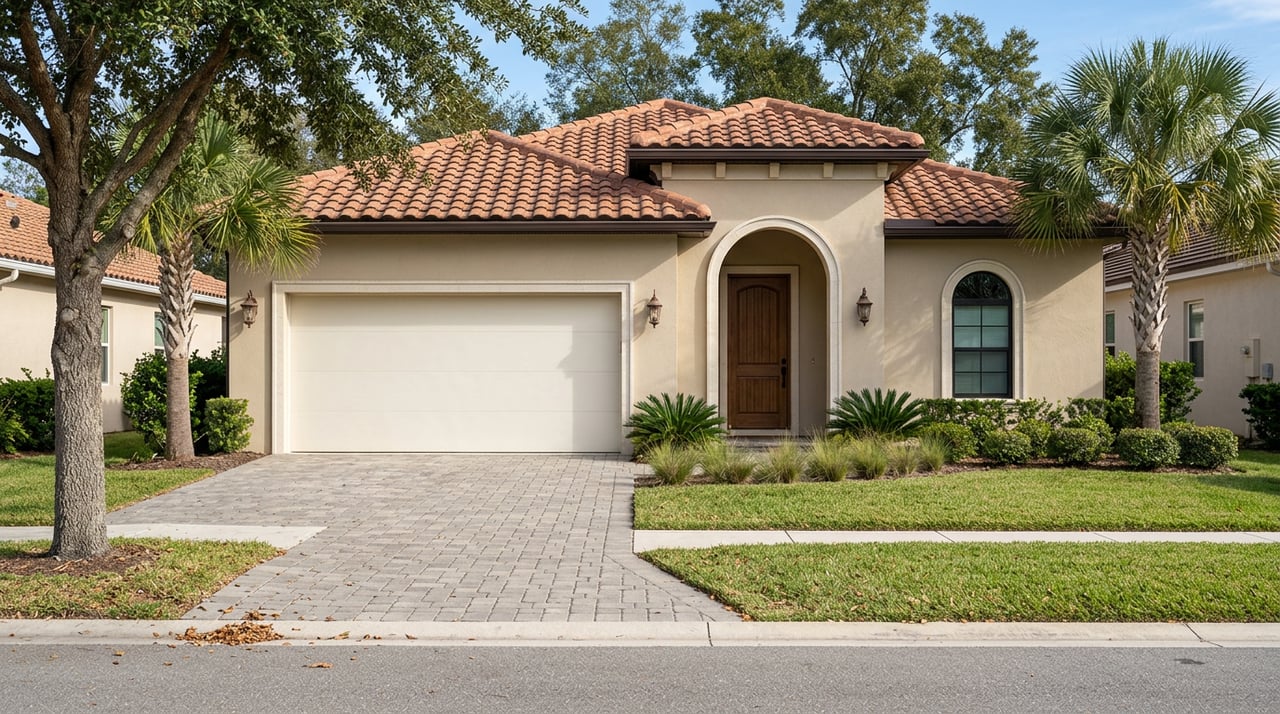
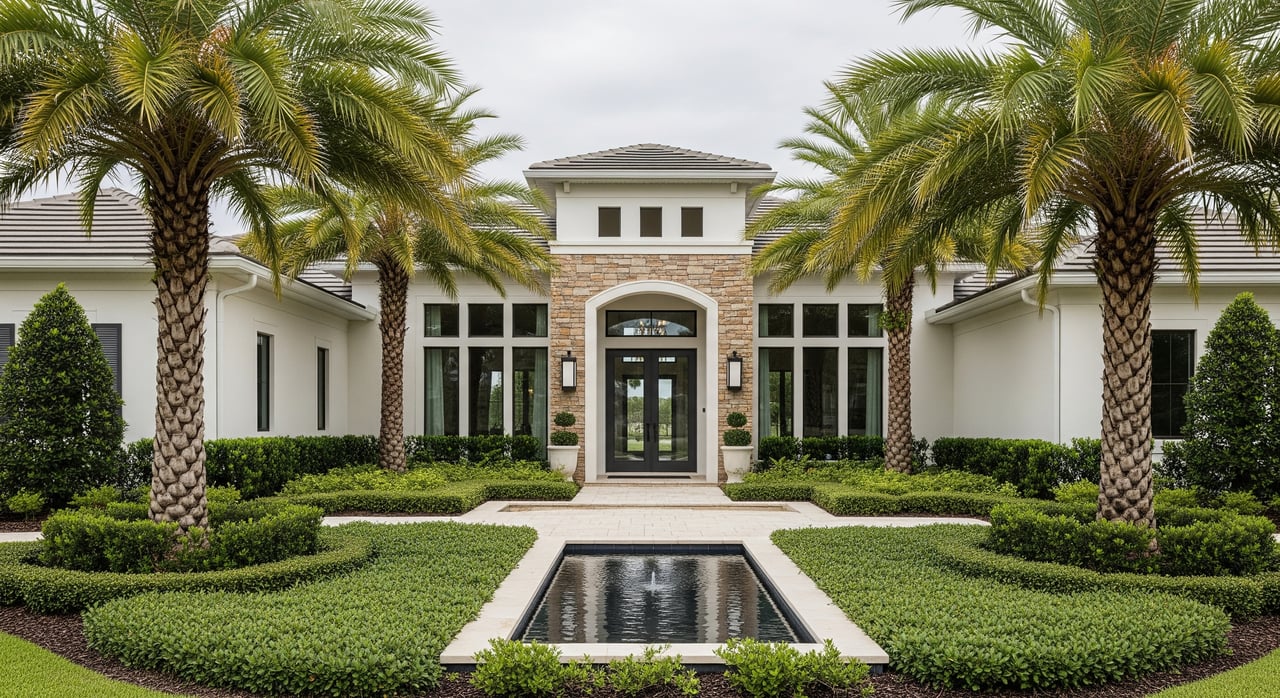
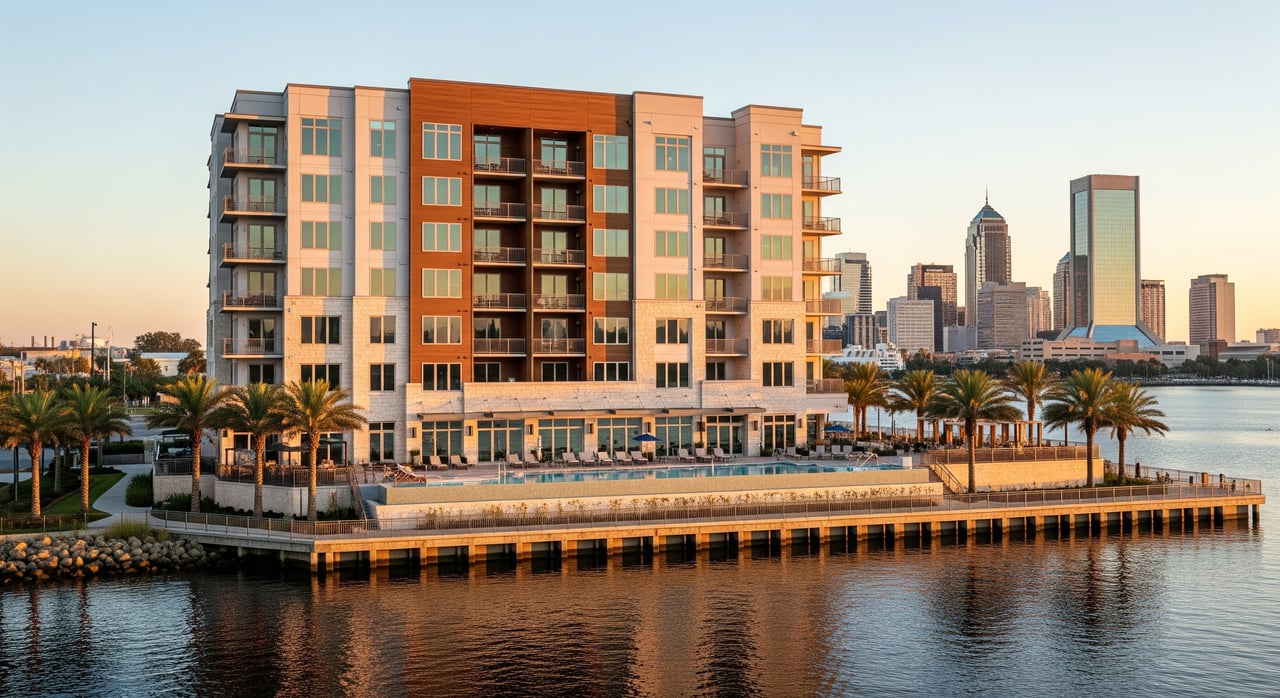
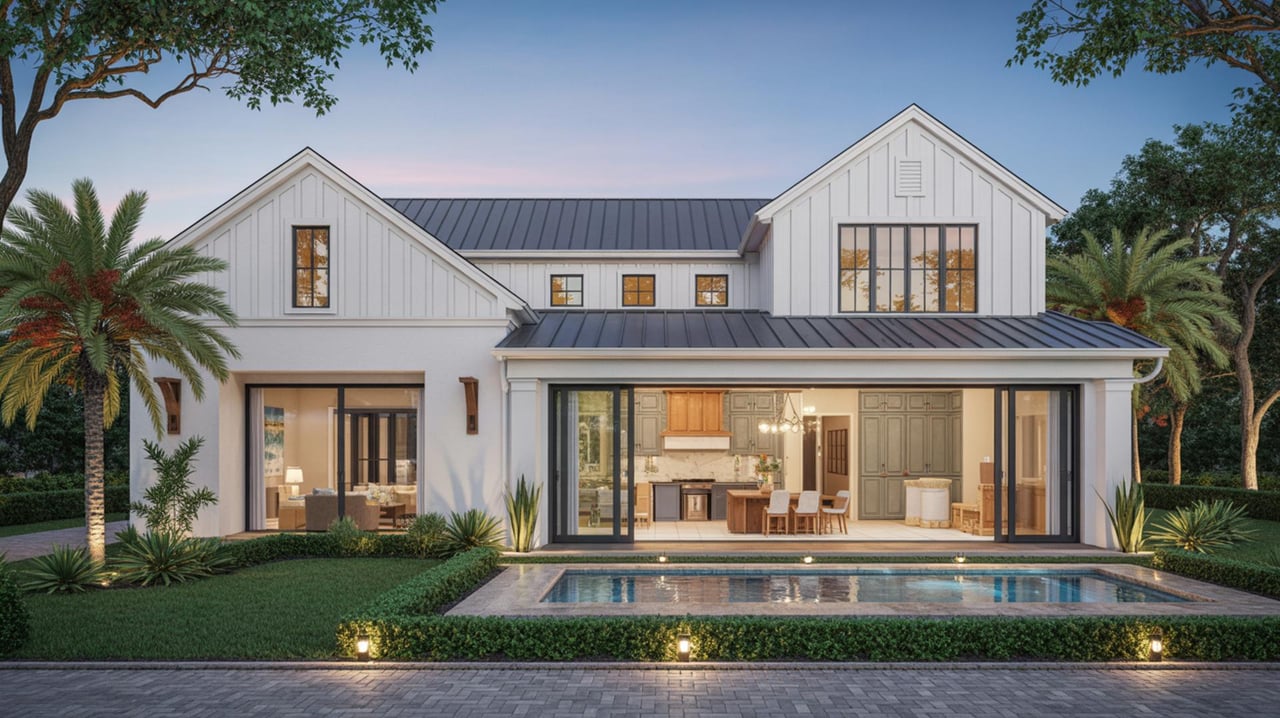
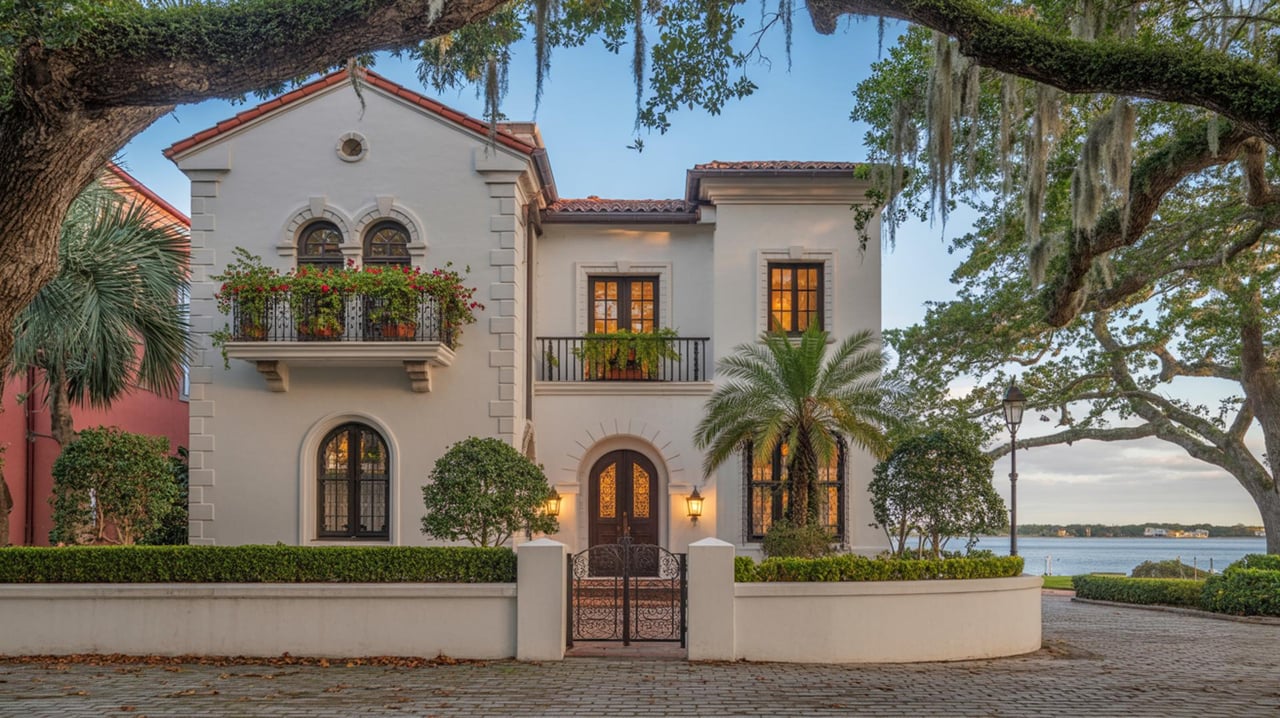
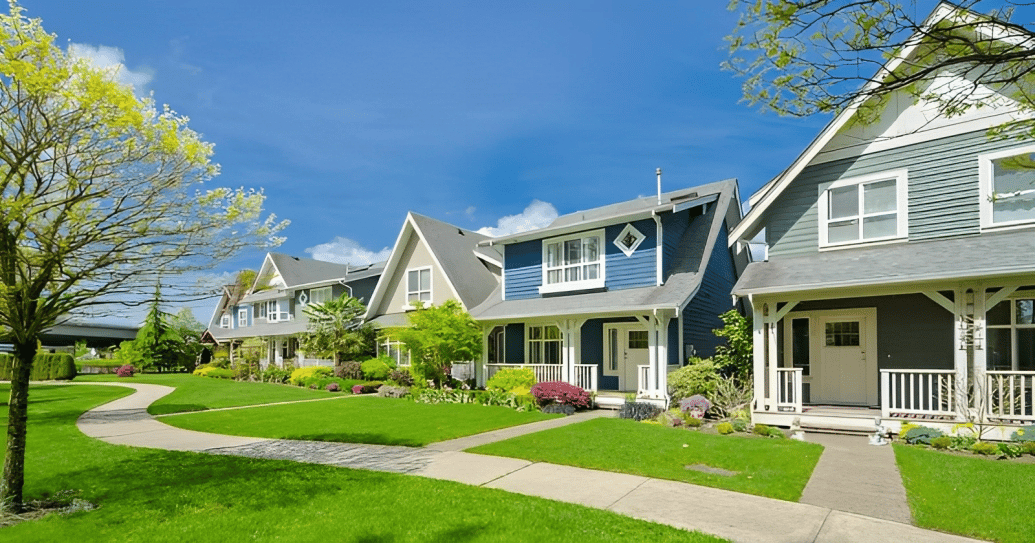
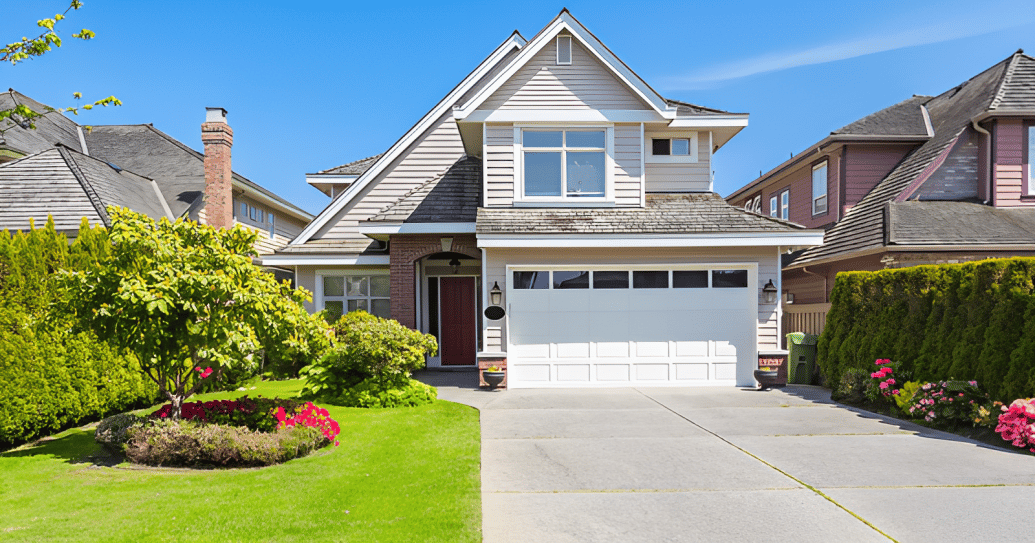
You will see a mix of older beach cottages, renovated bungalows, mid-century homes, and newer two- and three-story builds. Townhomes and low- to mid-rise condos appear closer to the beach, with smaller lots overall on the island. Newer construction often aims to maximize living space and meet current flood and wind codes. Streets feel residential and relaxed, with people on foot or bikes most of the day.
Market dynamics and affordability
Homes in the Jacksonville Beaches typically command higher prices than many inland neighborhoods due to ocean proximity and lifestyle demand. Prices vary widely by distance to the beach, property type, and renovation level. Inventory can feel tight, and rental or seasonal demand can influence availability in certain pockets. If you want current pricing, ask for recent MLS data and a neighborhood-by-neighborhood review before you tour.
Insurance and coastal realities
Owning near the ocean means planning for risk and resilience. Large portions of the barrier island fall within FEMA-designated flood zones. Lenders often require flood insurance, and it is wise to consider a policy even when it is not mandatory. Windstorm coverage and higher homeowners’ premiums are common along the coast, and homes with wind mitigation features can sometimes lower costs.
Hurricane season runs June through November. Most residents prepare early and keep a plan for storm supplies, shutters, and evacuation routes. You will also find local building codes and elevation requirements that shape renovations and rebuilds. Beach-protection rules and sea turtle lighting ordinances may affect exterior lighting and construction timing.
Use this quick prep list as you plan:
- Review parcel-level flood maps and talk to your lender about flood insurance early.
- Ask about roof age, window ratings, shutters, and elevation certificates during showings.
- Map evacuation routes and keep a seasonal supplies kit.
- Check local permitting rules before planning major updates, especially near the dune line.
Utilities and local services
Electric, water, and sewer services are provided by regional and municipal utilities. Some parcels may be shaped by coastal soils or septic considerations, so confirm property specifics during due diligence. Trash and recycling service is city-managed or contracted, and some neighborhoods have associations with additional guidelines.
Public education is provided by Duval County Public Schools, with school assignments based on district lines. The Beaches area includes branches of the Jacksonville Public Library and local community centers. You will find primary and urgent care clinics nearby, with major hospitals and specialty centers a short drive inland in the broader Jacksonville area.
Who thrives here
- Beach-first residents who want daily walks, surf sessions, or paddle sports.
- Professionals who prefer a coastal home and a manageable drive to Jacksonville jobs.
- Retirees and downsizers who value a low-key pace and easy access to services.
- Military families connected to nearby Naval Station Mayport, often with flexible rental timelines.
- Small-business owners and service professionals who support the local hospitality economy.
If your ideal day includes sunrise beach time, a quick bike to coffee, and an easy dinner out, you will fit right in. If you need city-scale amenities, downtown Jacksonville is close enough for sports, concerts, and flights, while you keep your home base by the ocean.
How to start your search
- Clarify what matters most: walk-to-beach access, yard space, or a newer build with wind mitigation.
- Tour at different times of day to see parking patterns, traffic, and noise levels.
- Test your commute to common destinations during peak hours.
- Get insurance quotes and review flood maps before you write an offer.
- For investors, confirm local rental rules and consider professional property management to stabilize operations.
- Ask for a neighborhood-level pricing review, including recent sales and active competition.
Ready to explore the Jacksonville Beaches with a trusted local advisor? Reach out to Claudia Hilbert for tailored guidance, neighborhood insights, and a plan that fits your goals.
FAQs
How walkable are Neptune and Atlantic Beach?
- Many neighborhoods and commercial nodes are walkable, with short strolls to beach access and local cafes; walkability varies by block, so confirm for specific addresses.
What is the typical commute to downtown Jacksonville?
- Driving usually takes about 20 to 40 minutes depending on destination and rush-hour traffic, with longer times during peak periods; public transit exists but is less frequent than urban cores.
Are homes more affordable than inland Jacksonville?
- The Jacksonville Beaches usually price higher than many inland neighborhoods due to ocean proximity; price ranges vary widely by location and property type.
Do you need flood insurance near the beach?
- Flood insurance is often required by lenders in FEMA flood zones and is commonly recommended even where not mandatory; check parcel-level maps and confirm with your lender.
What should you know about hurricane season on the coast?
- Hurricane season runs June through November; plan ahead with supplies, shutters, evacuation routes, and insurance review as part of routine coastal ownership.
Are the beaches pet-friendly for daily walks?
- Beaches are generally family-friendly, and pet rules vary by location and season; review city ordinances for leash and access guidelines before you go.