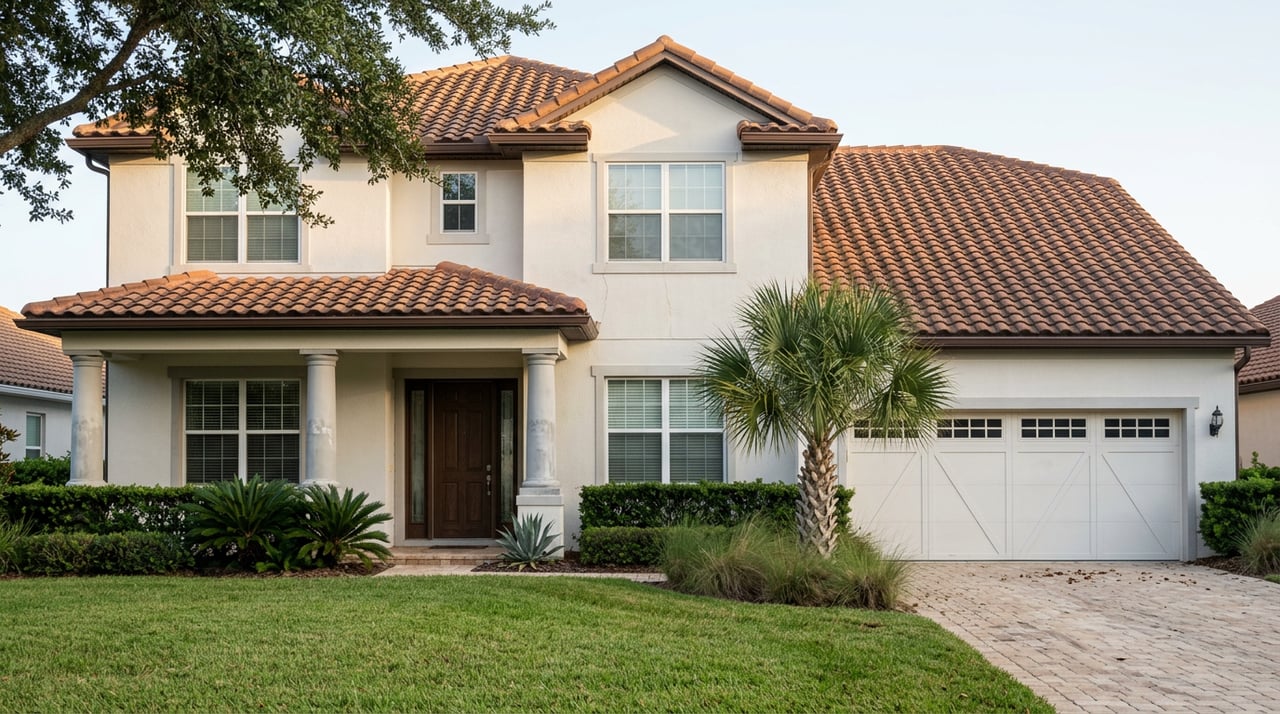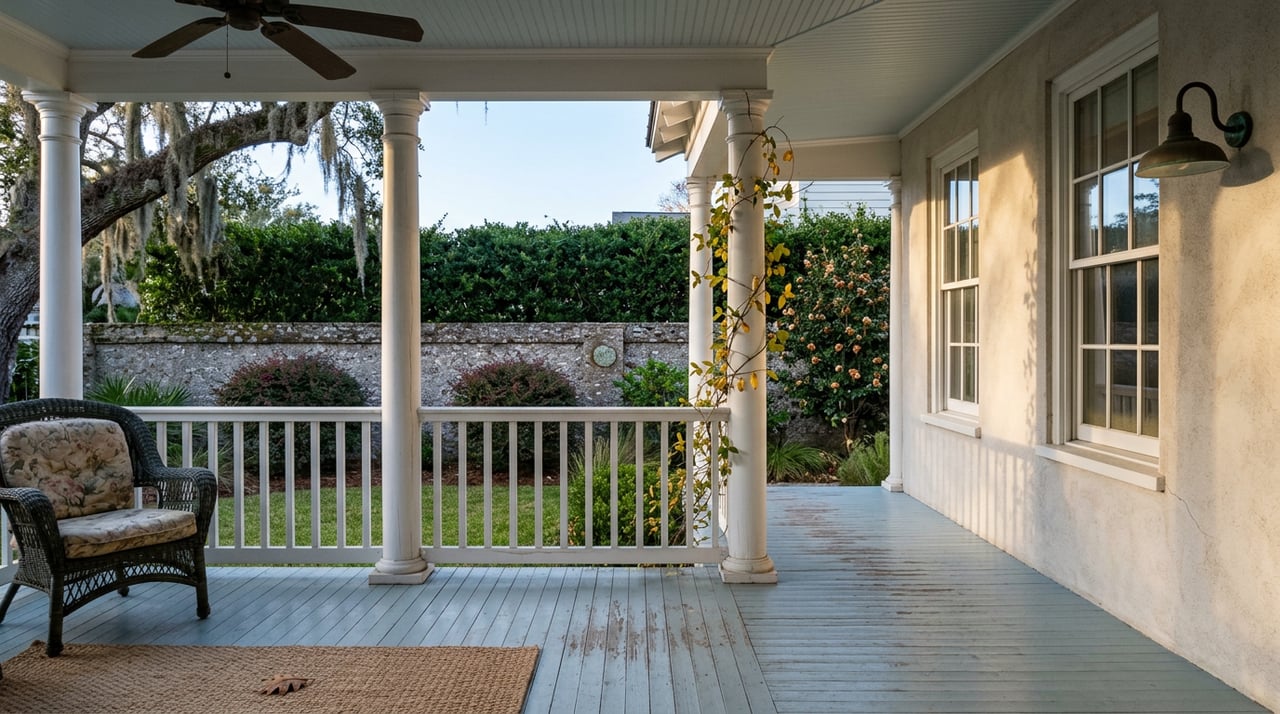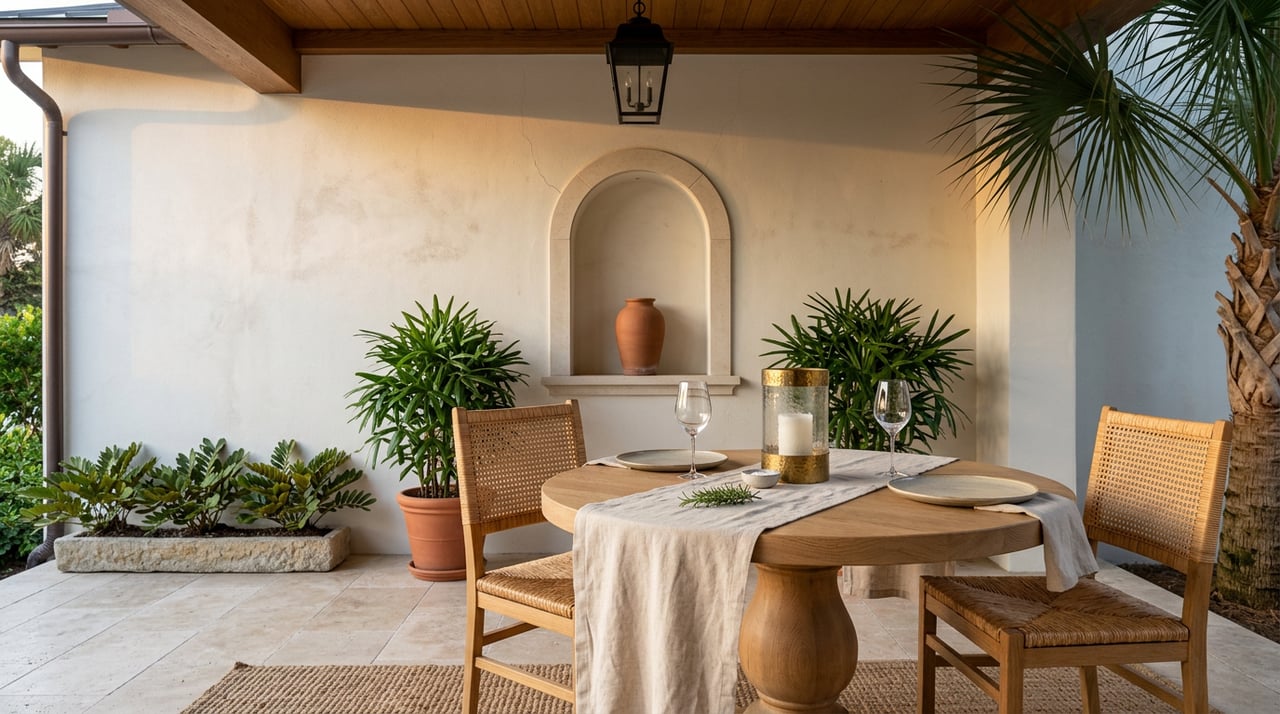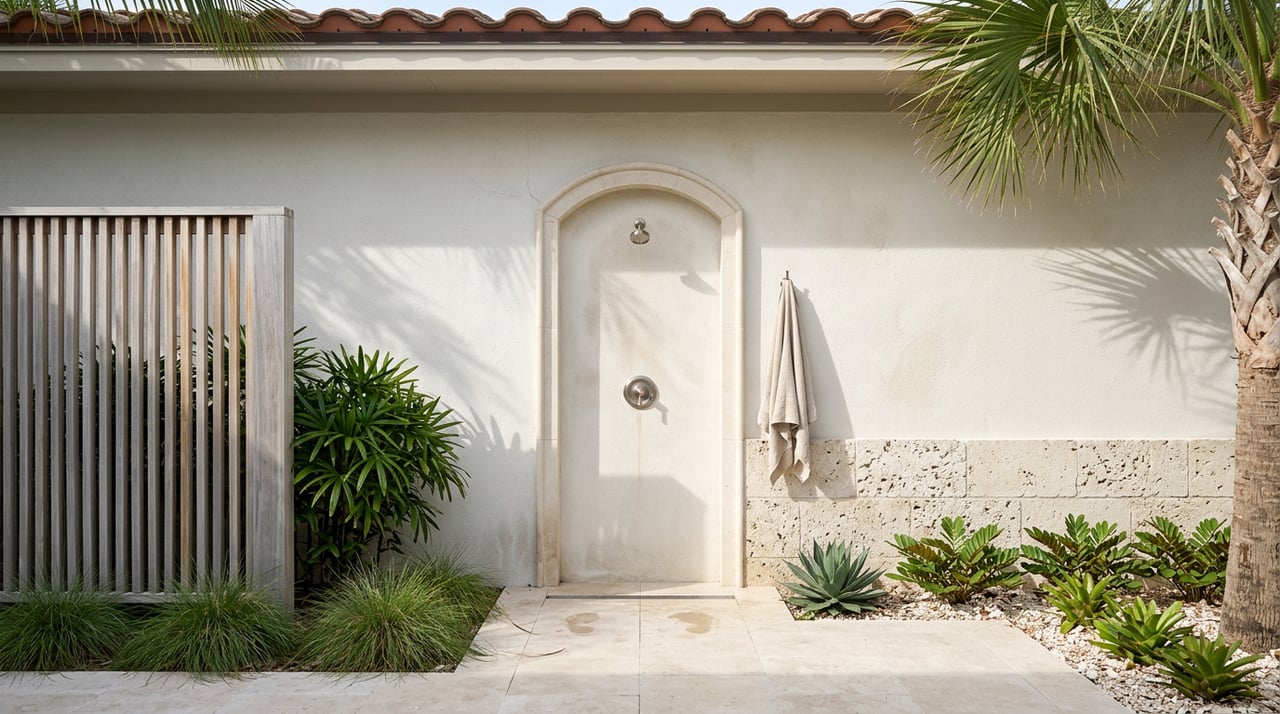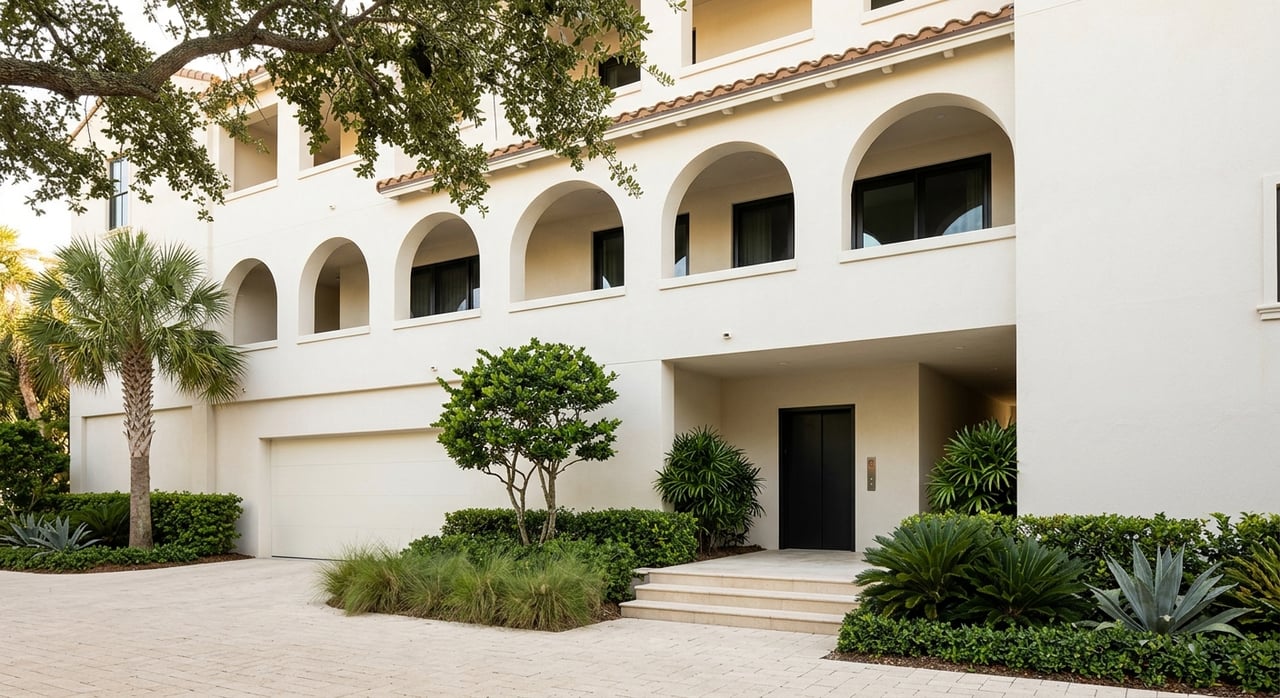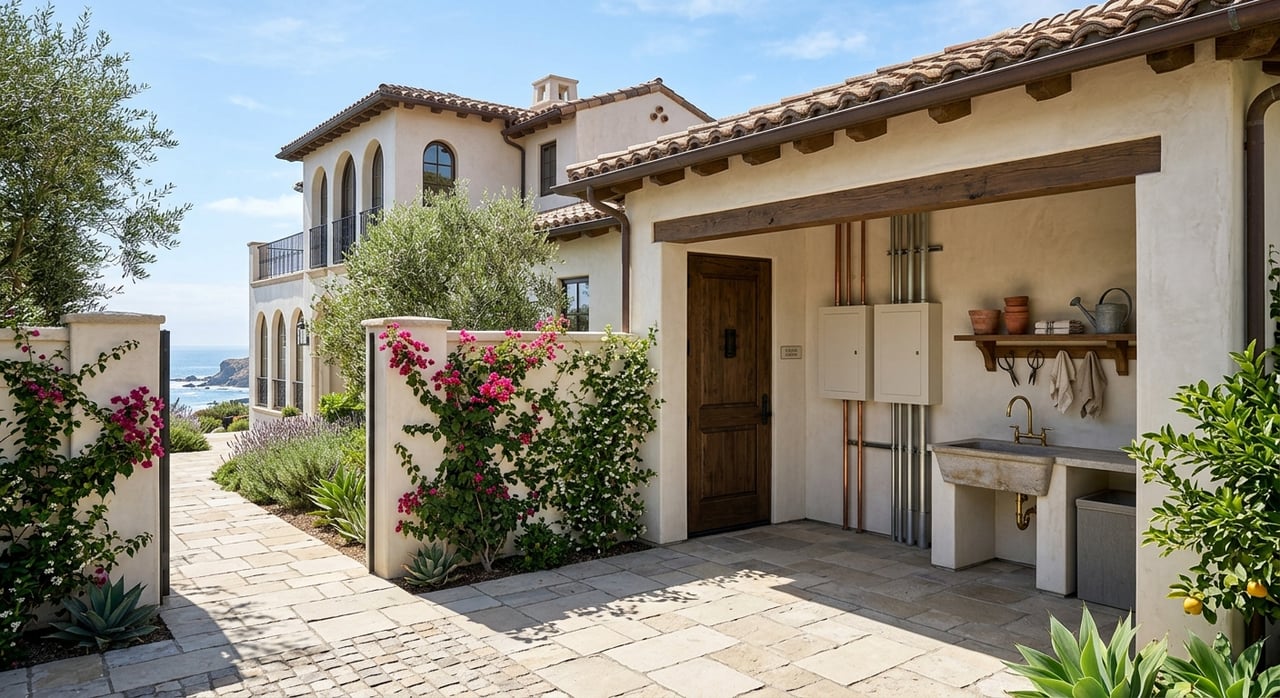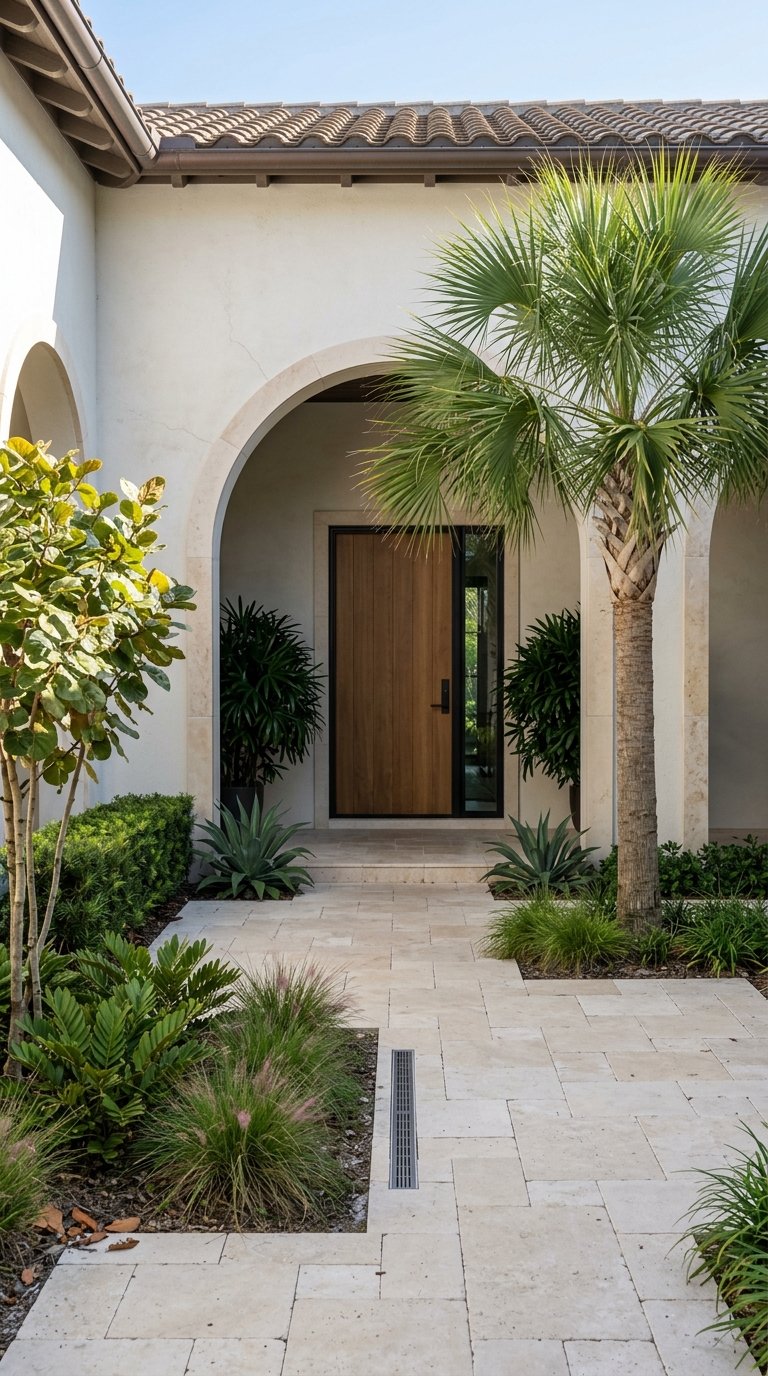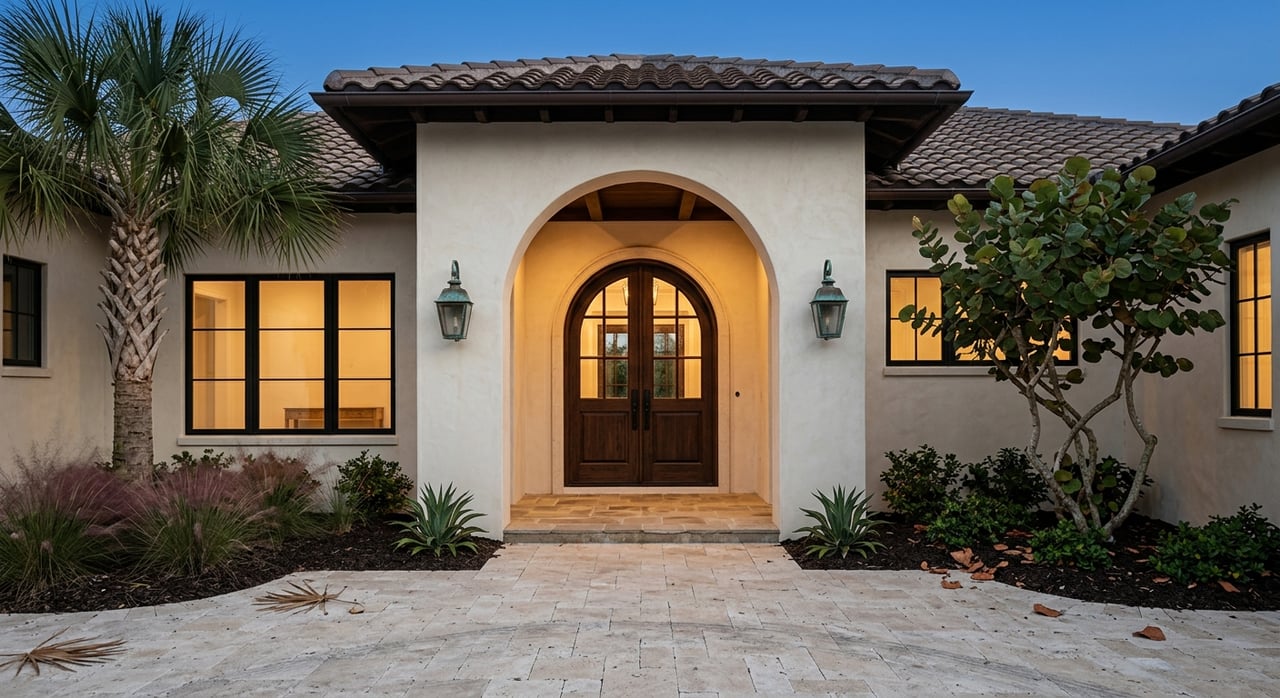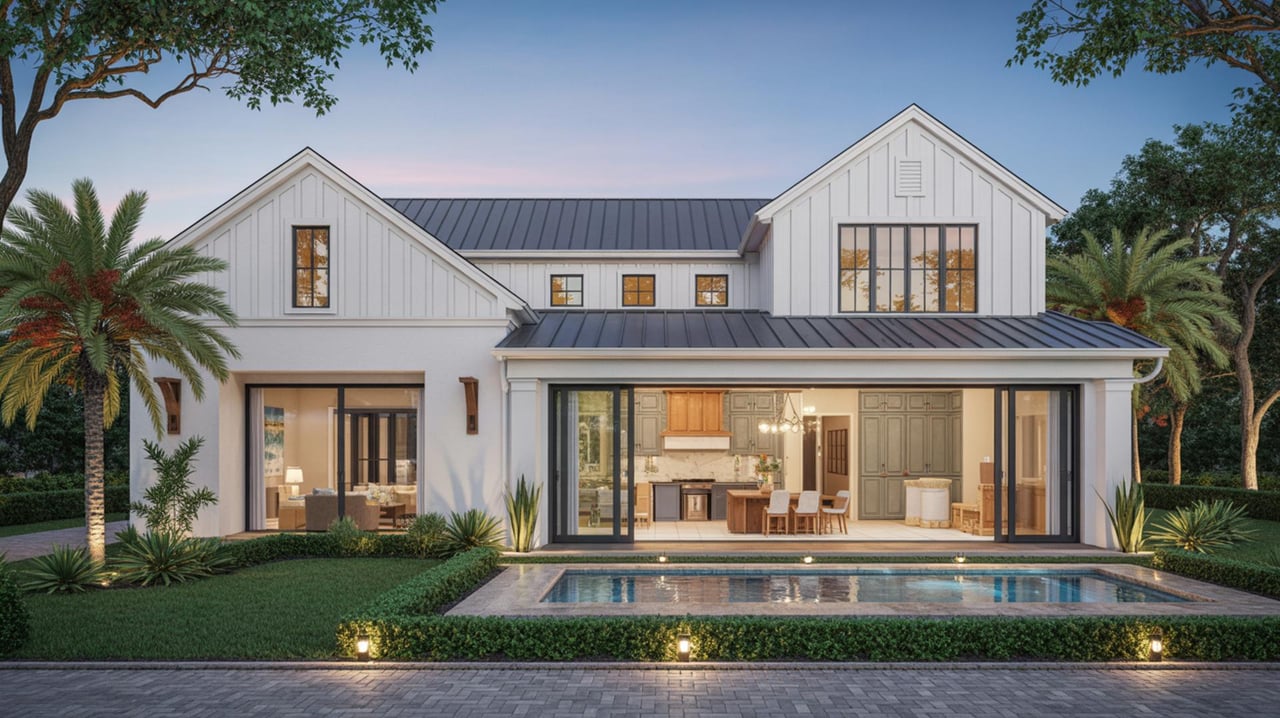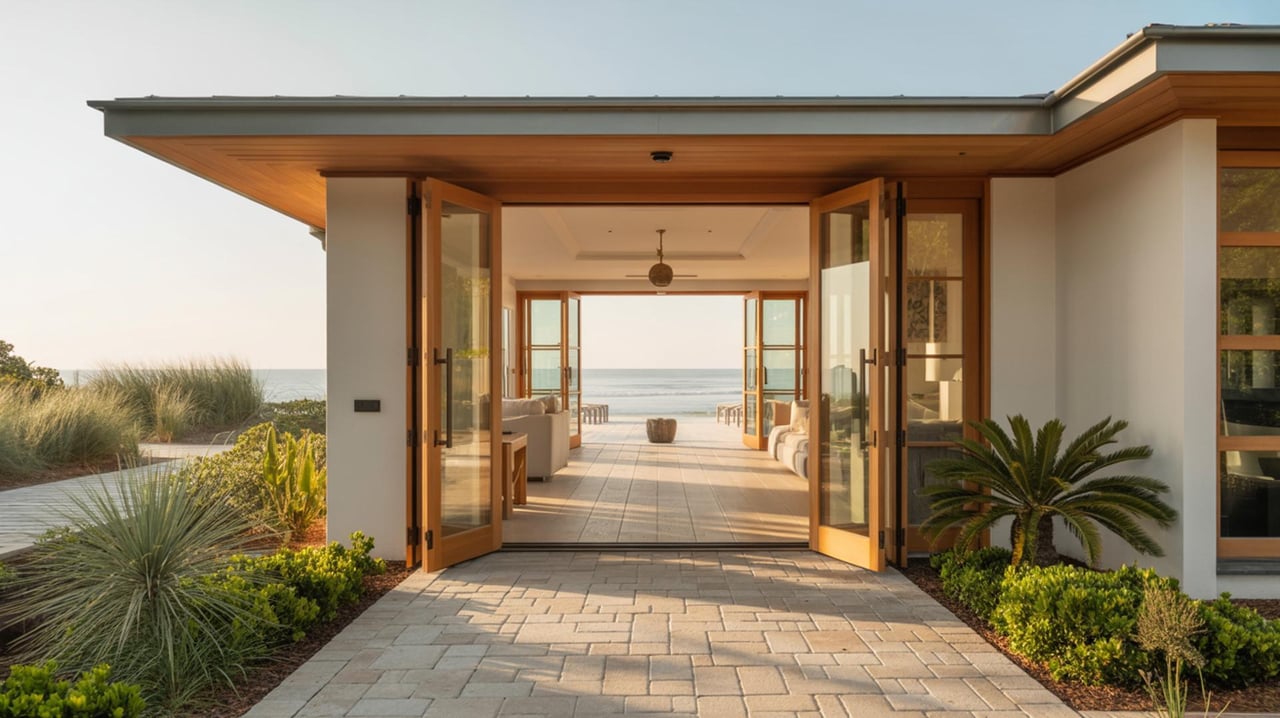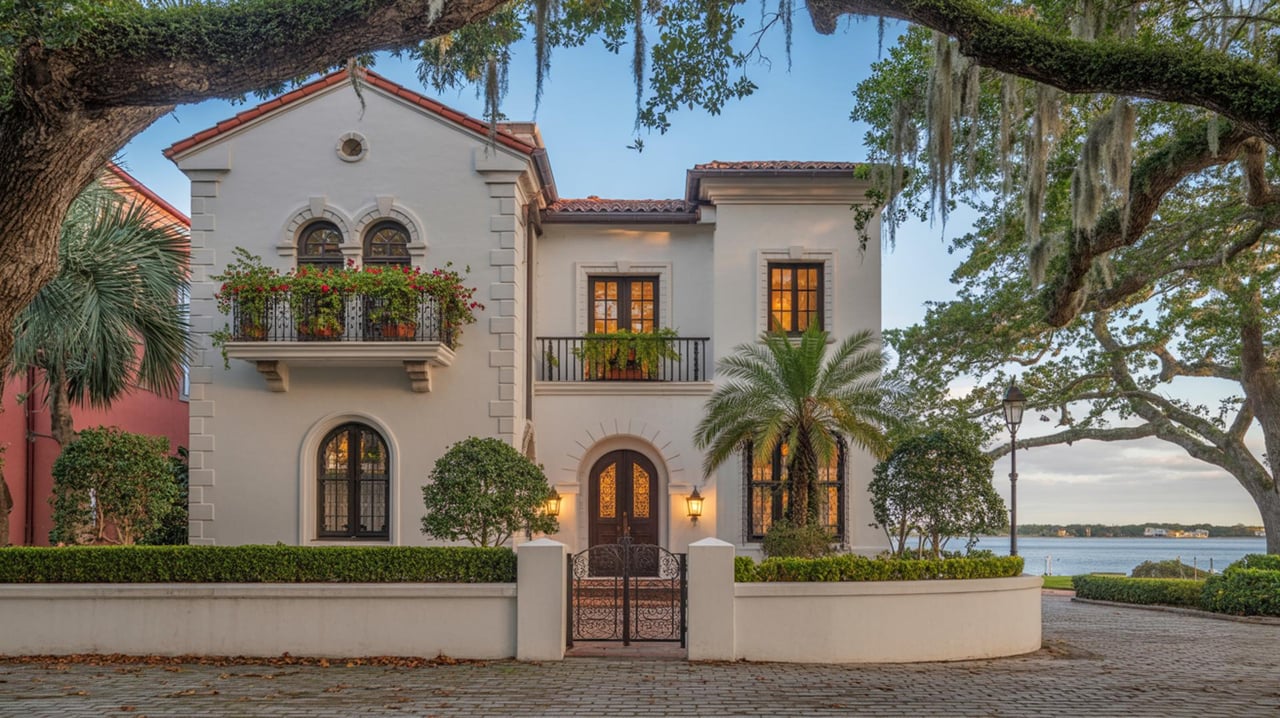
Thinking about trading extra square footage for an easier coastal lifestyle? If Atlantic Beach is on your radar, downsizing can be a smart move, but low-maintenance living means more than just buying a smaller home. You need the right mix of layout, upkeep responsibilities, storage, parking, and storm readiness. Here’s how to choose a home in Atlantic Beach that feels simpler to own and easier to enjoy.
Why Atlantic Beach Appeals to Downsizers
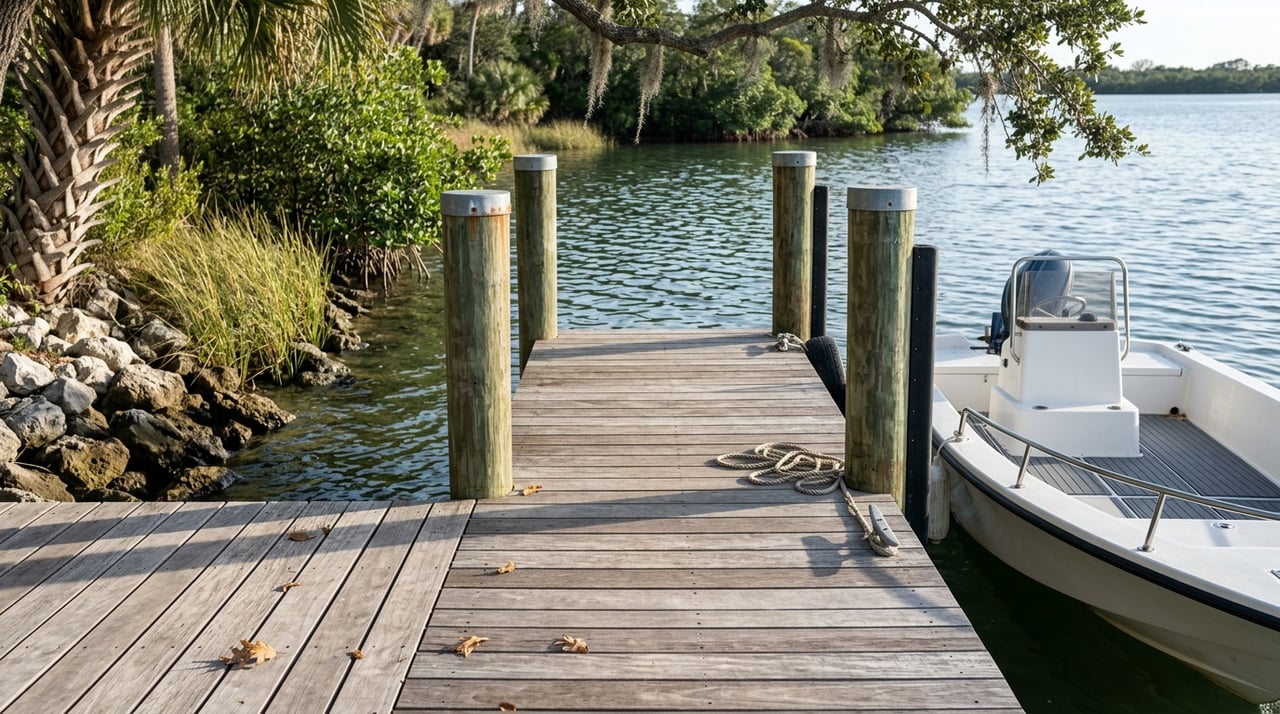
Atlantic Beach offers the coastal setting many buyers want, with about two miles of white sandy beaches, 19 ocean beach accesses, and roughly 65 acres of parkland, according to the City of Atlantic Beach. The city describes itself as a year-round community of about 13,500 residents, which can appeal to buyers looking for a full-time home or a lock-and-leave coastal retreat.
That said, downsizing here comes with practical coastal considerations. The city encourages residents to understand hurricane planning, evacuation zones, and home hardening, so it helps to think beyond aesthetics when comparing properties. In Atlantic Beach, the easiest home to own is often the one that is both manageable day to day and well-positioned for storm preparedness.
Start With Your Maintenance Goals
Before you compare listings, define what “low maintenance” really means to you. Some buyers want to avoid exterior upkeep completely, while others are comfortable handling a small yard if it means having more privacy or fewer shared rules.
A useful first question is simple: What do you want off your plate? For many downsizers, that list includes roof maintenance, exterior repairs, landscaping, and common-area upkeep. Once you know your priorities, it becomes much easier to narrow down the right property type.
Compare Atlantic Beach Property Types
Condos and the Lock-and-Leave Advantage
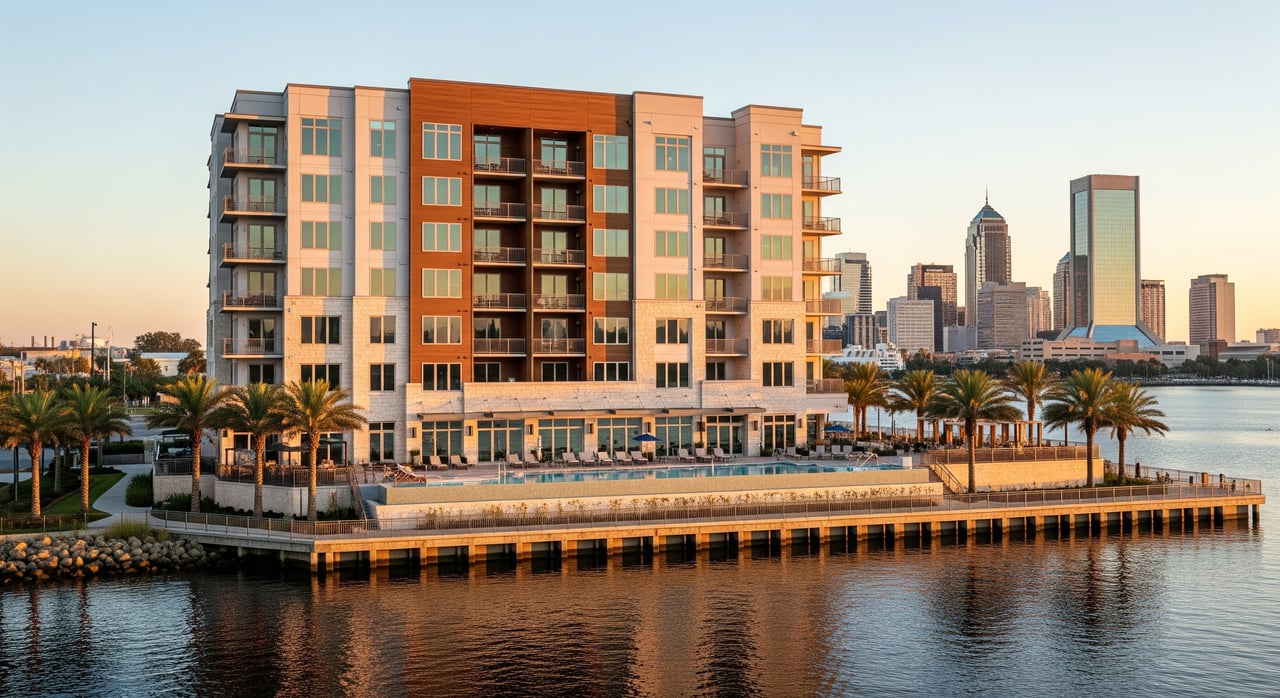
For many downsizers, condos are the most natural fit for a low-maintenance coastal move. Under Florida condominium law, maintenance of common elements is generally the association’s responsibility unless the declaration assigns certain limited-common-element duties to the unit owner.
That can reduce the number of exterior tasks you manage personally. Florida condo insurance rules also place responsibility for many building-level losses on the association, while you typically remain responsible for personal property and many interior items. For buyers who want to travel, split time between homes, or simply reduce day-to-day upkeep, that structure can be very appealing.
Still, not every condo offers the same level of simplicity. The financial health of the association, the condition of the building, and the clarity of maintenance responsibilities matter just as much as the floor plan.
Townhomes and HOA Living
Townhomes can also work well, but the details deserve closer review. In Florida, HOA governing documents and expense-sharing rules help determine what your fees actually cover.
That means one townhome community may include roof, exterior walls, landscaping, and reserves, while another may cover only limited common services. If you are downsizing for convenience, do not assume the term “townhome” means the same maintenance relief as a condo. The label matters less than the documents.
Smaller Single-Family Homes
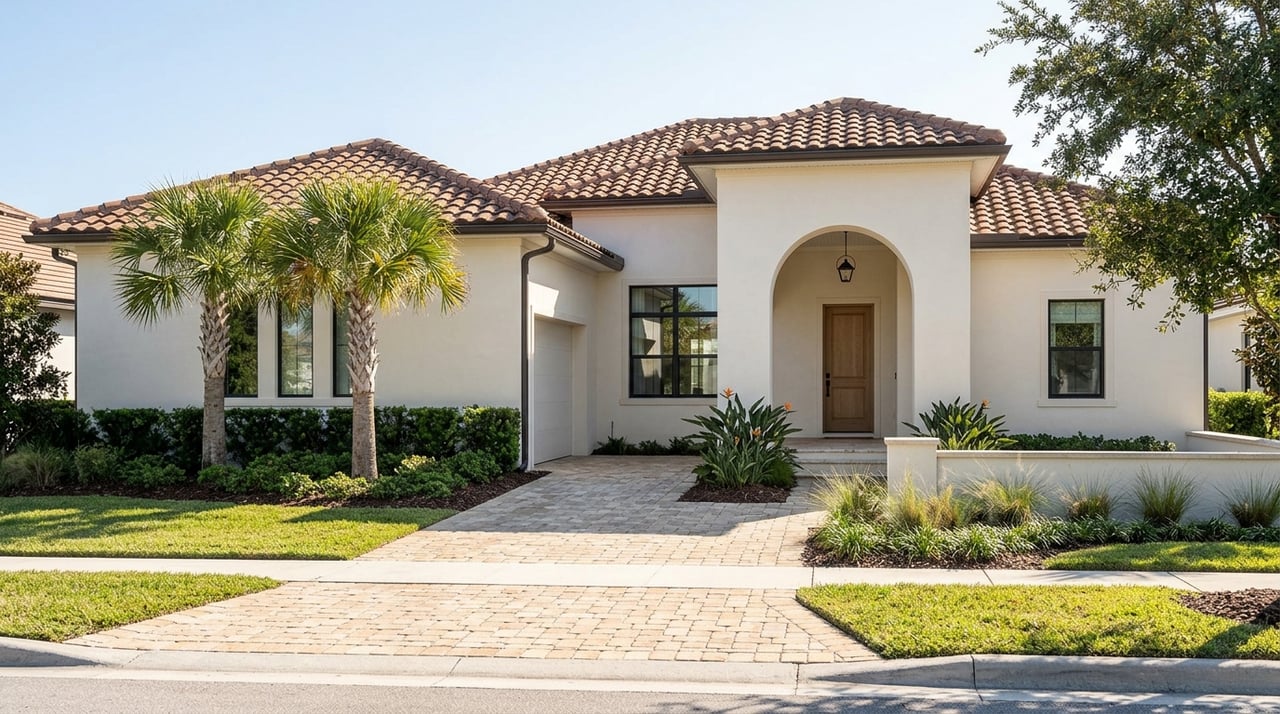
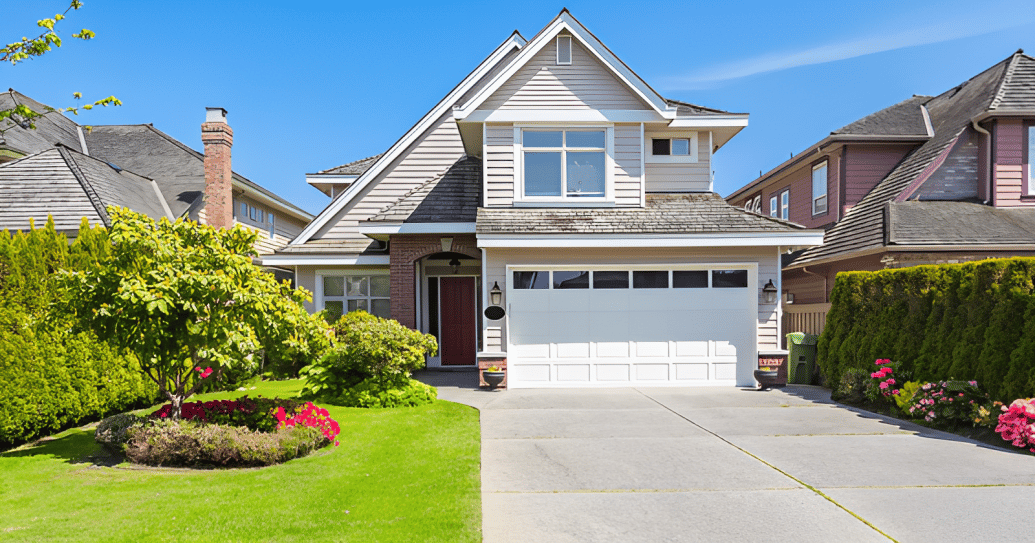
A smaller single-family home can be a good compromise if you want less square footage without giving up control. You may have fewer shared rules and more autonomy over the property, which can appeal to buyers who prefer a fee-simple ownership structure.
The tradeoff is that you usually take on more responsibility for the roof, exterior, yard, and storm prep. Also, Florida’s condo milestone-inspection rules generally target certain condo and co-op buildings, not ordinary fee-simple houses, and they exclude small one-, two-, and three-family dwellings with three or fewer habitable stories above ground under state statute. That can simplify part of the due diligence, but it does not reduce the importance of evaluating condition and future upkeep.
Focus on the Floor Plan First
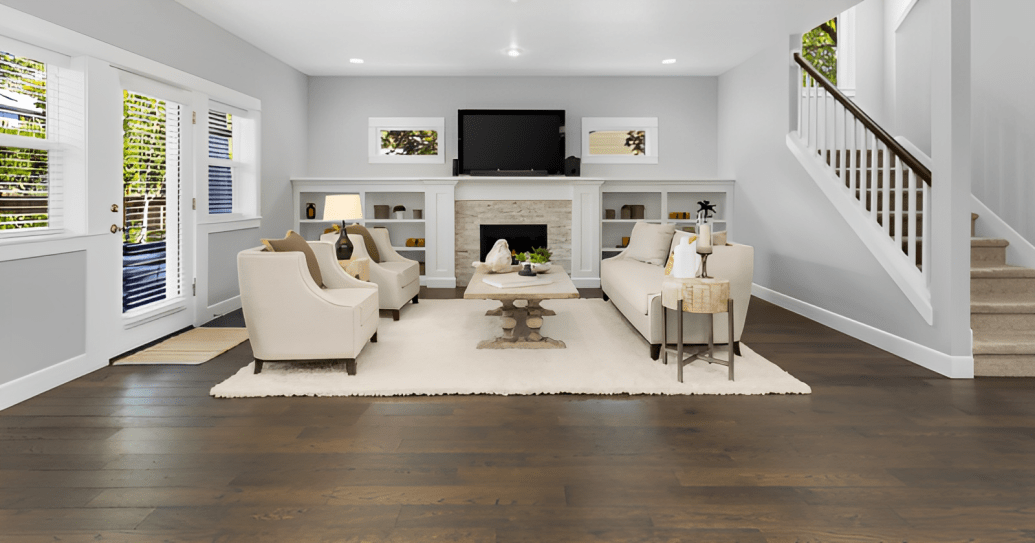
When you downsize, the layout often matters more than the square footage. A well-planned home can feel easier and more comfortable than a larger property with wasted space or too many stairs.
For many buyers, the best features include:
- Step-free or low-stair living
- A main-level primary suite
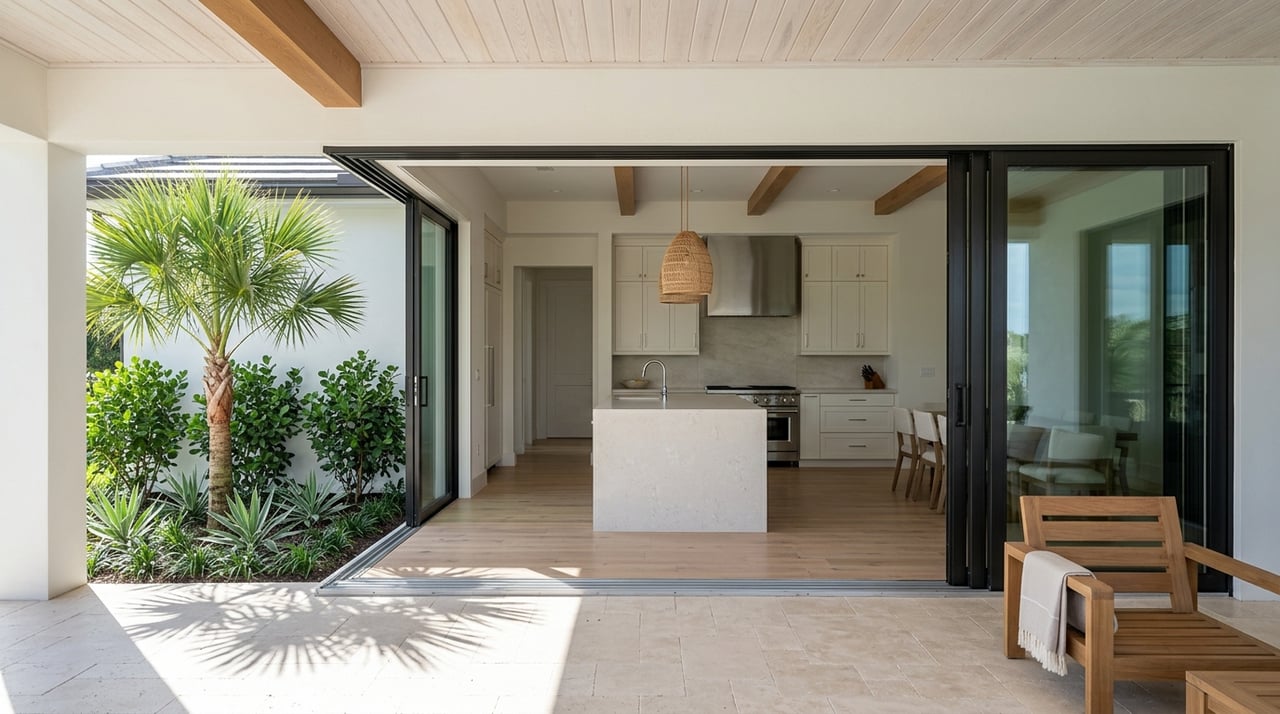
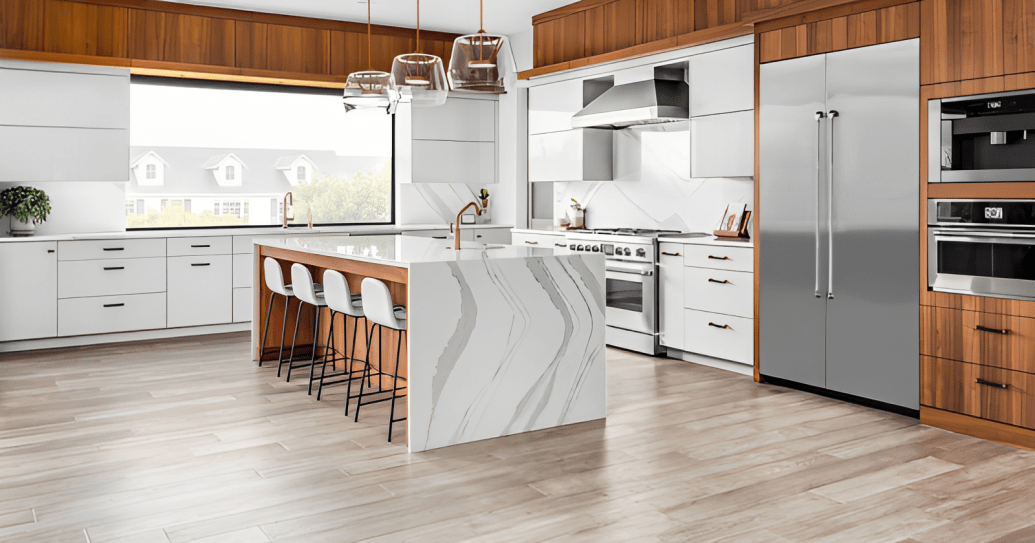
- Easy flow between kitchen, living, and outdoor spaces
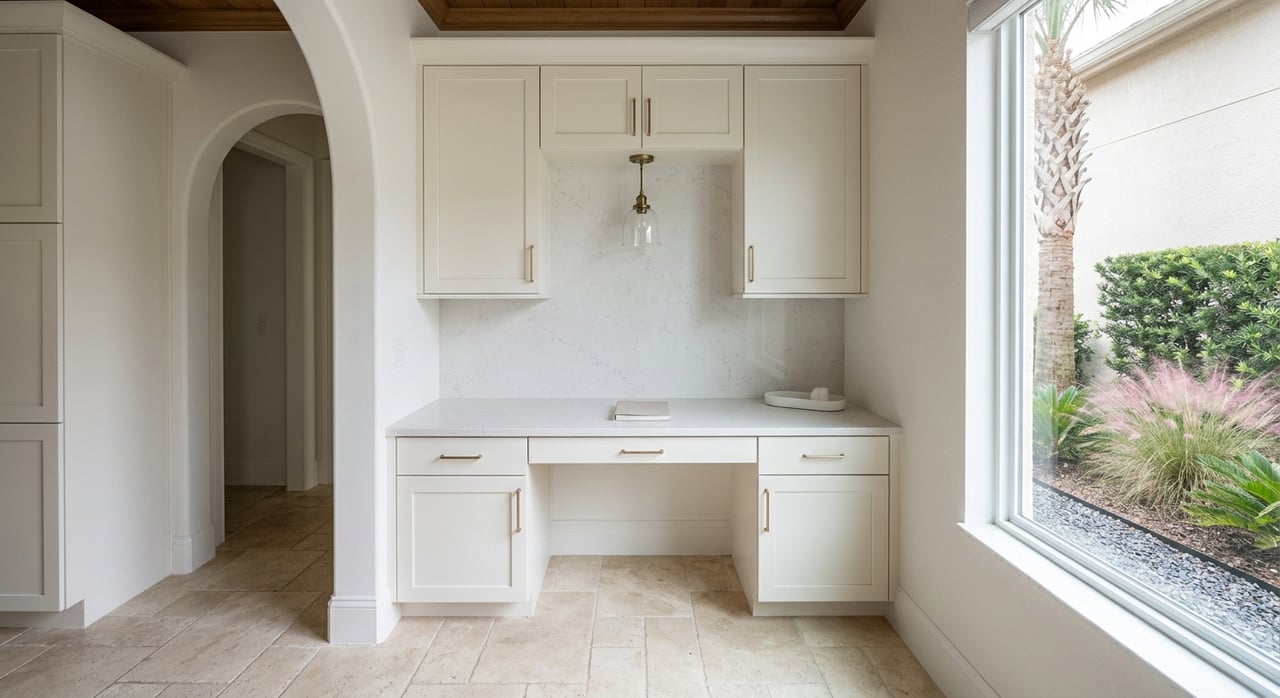
- Flexible space for guests, hobbies, or a home office
- A layout that supports one-level living during a storm or service interruption
In a coastal market, this last point is especially useful. A home that lets you function comfortably on one level can make daily life easier and help you feel more prepared during severe weather.
Do Not Underestimate Storage
Storage is one of the biggest success factors in a downsizing move. It is easy to focus on finishes and views, but a home with poor storage can feel cramped quickly, especially near the coast.
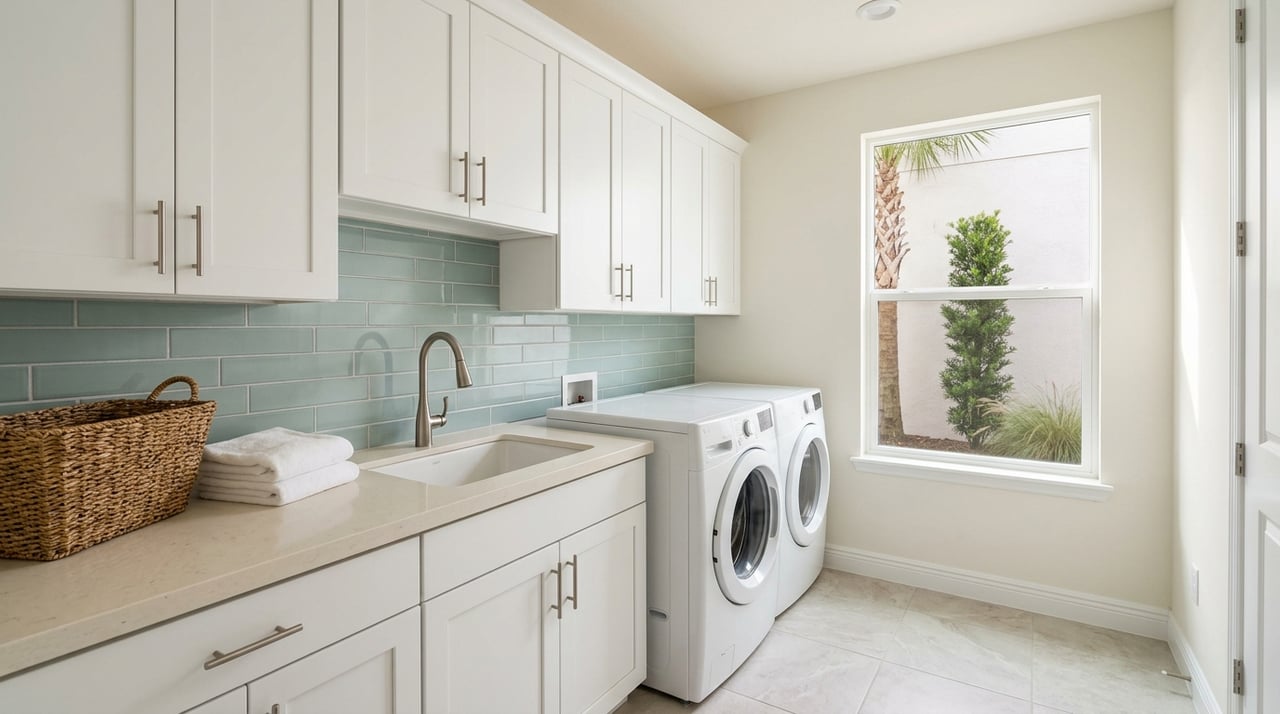
As you compare homes, look for practical storage that supports your lifestyle. That may include linen closets, pantry space, garage organization, secure owner storage, and room for beach gear, bikes, and hurricane-prep supplies. A smaller home that stores your essentials well often lives larger than one with more square footage and less function.
Check Parking More Carefully Than You Think
Parking can be easy to overlook until it becomes a daily frustration. In Atlantic Beach, it deserves more attention because the city’s land development regulations address garages, parking, lot size, setbacks, and other site controls.
If you want a true lock-and-leave setup, confirm more than just the number of spaces. Check garage dimensions, guest parking, and whether oversized vehicles or certain stored items are allowed. If you expect visiting family or plan to keep bikes, beach equipment, or storm supplies in the garage, usable parking matters just as much as listed parking.
Review Association Services Line by Line
If you are buying in a condo or HOA community, one of the most important questions is what the monthly fee actually buys. This is where many low-maintenance assumptions either hold up or fall apart.
For example, Florida law on association records provides access to items such as budgets, insurance policies, contracts, and meeting minutes. Those records can help you understand whether the association is funding reserves, maintaining the property properly, and planning responsibly for future repairs.
For downsizers, the most valuable services often include:
- Exterior maintenance
- Roof or building-envelope responsibility
- Landscaping
- Trash service
- Common-area upkeep
- Insurance handling at the building level
- Transparent reserve funding
If reserves are not fully funded, owners may face special assessments later. That is why reviewing the declaration, budget, and maintenance split is so important before you commit.
Ask About Inspections and Reserve Studies
If you are considering an older condo building, this step is essential. Florida’s milestone inspection and structural integrity reserve study requirements generally apply to condo and co-op buildings that are three habitable stories or more, with inspections typically required at 30 years of age and every 10 years after that.
As a buyer, you should ask whether the association has completed any required inspections and reserve studies, whether repairs were recommended, and whether any special assessments are pending. A condo may still be a strong fit for low-maintenance living, but only if the building’s financial and physical condition support that promise.
Verify Flood Risk and Hurricane Readiness Early
In Atlantic Beach, flood and storm planning should be part of your home search from the start, not the end. The city’s floodplain resources make clear that homeowners’ policies do not cover flood damage, and the city participates in the National Flood Insurance Program and Community Rating System.
You should verify the flood zone, ask about base flood elevation, and review likely insurance costs before you get emotionally attached to a property. The city also notes that NFIP flood policies generally have a 30-day waiting period, although exceptions can apply at mortgage closing or renewal. In addition, Atlantic Beach encourages residents to know their evacuation zone and keep a hurricane plan.
For a downsizer, a low-maintenance home is not just easy on a sunny day. It should also feel realistic to manage before, during, and after a storm event.
Questions to Ask Before You Buy
As you narrow your options, these questions can help you compare homes more clearly:
- Is the property a condo, fee-simple townhome, or single-family home?
- Which document controls maintenance responsibilities?
- What does the monthly fee cover?
- Are reserves fully funded, underfunded, or waived?
- Are there pending special assessments?
- Have there been recent roof, exterior, or building-envelope projects?
- Has the association completed required inspections and reserve studies, if applicable?
- Can you review the budget, insurance policy, meeting minutes, and contracts during due diligence?
- What is the flood zone and likely insurance cost?
- What are the parking, rental, pet, remodel, or hurricane-shutter rules?
These answers can tell you a great deal about how simple a property will be to own long after closing day.
What the Best Fit Usually Looks Like
For many Atlantic Beach downsizers, the best low-maintenance choice is the home that balances a manageable layout with clear upkeep responsibilities, practical storage, workable parking, solid reserves, and verified flood and hurricane readiness.
Often, that points to a condo with strong association finances and a well-documented inspection history. In other cases, it may be a townhome where the governing documents shift meaningful maintenance off your plate. And for buyers who want more control, a smaller single-family home can still be a smart move if the square footage, condition, and storm-prep demands feel manageable.
The goal is not simply to buy less house. It is to buy the right kind of ease.
If you are weighing condos, townhomes, or smaller homes in Atlantic Beach, Claudia Hilbert can help you sort through the documents, compare the real maintenance tradeoffs, and find a coastal home that truly fits the way you want to live.
FAQs
What type of Atlantic Beach home is usually best for downsizing?
- For many buyers, condos are the strongest low-maintenance option because associations usually handle many exterior responsibilities, but the best choice depends on the governing documents, reserves, and your preferred level of control.
What should downsizers review in an Atlantic Beach condo association?
- You should review the budget, reserve funding, insurance, meeting minutes, inspection history, and any pending special assessments to understand the true cost and condition of the property.
Why does flood risk matter when downsizing in Atlantic Beach?
- Flood risk matters because the city notes that homeowners’ insurance does not cover flood damage, so you should verify the flood zone, likely insurance cost, and storm-readiness factors before buying.
Are Atlantic Beach townhomes always low maintenance?
- No. Townhomes can be low maintenance, but you need to confirm exactly what the HOA covers because services and owner responsibilities vary by community and governing documents.
What floor plan features help most when downsizing in Atlantic Beach?
- Many buyers prioritize step-free or low-stair living, a main-level primary suite, easy circulation, flexible guest space, and enough storage for everyday items and coastal gear.